
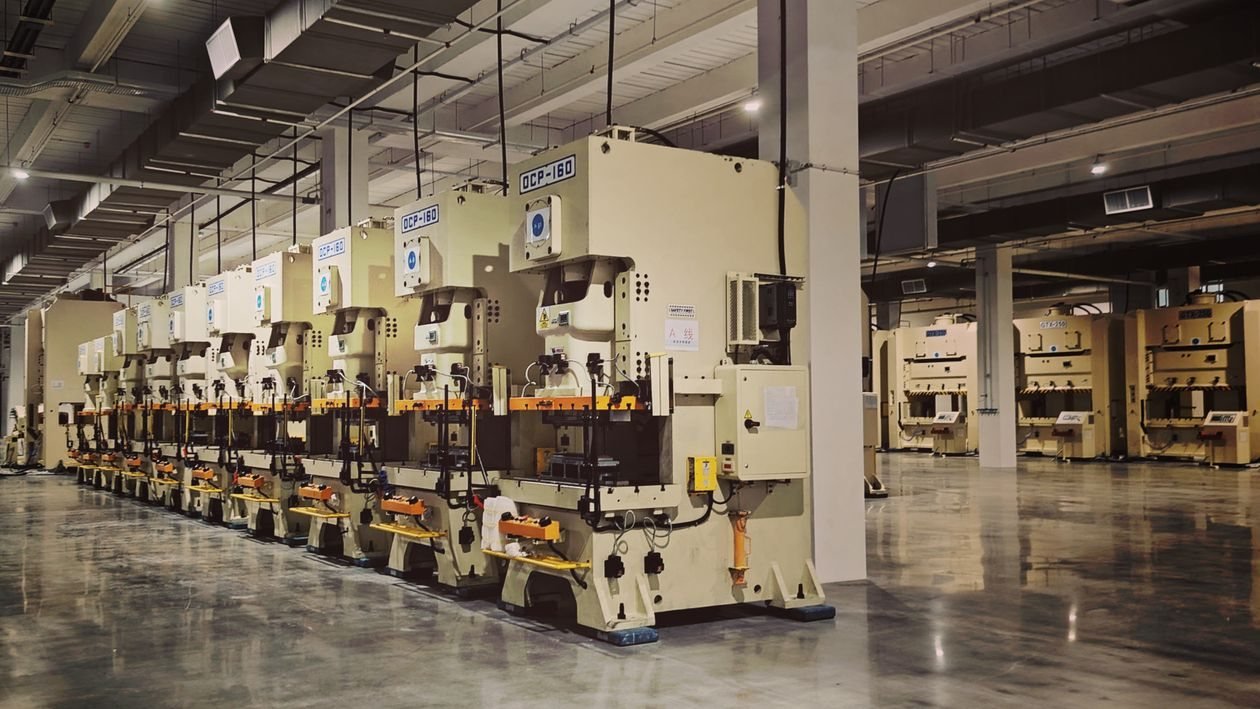
Dong Nai is home to southern Vietnam’s oldest and densest plastics cluster: injection molding, blow molding, extrusion, mold-making and plastics recycling all sit within a few dozen kilometers. For foreign investors, the challenge here is not finding a supplier — it is choosing correctly among hundreds of vendors that look alike on paper, while filtering out those strong on quotations but weak on systems. This guide presents a four-pillar scorecard built for a mature cluster — legal, technical, quality and commercial — plus ways to hedge disruption when the chain quietly depends on a handful of links that merely look abundant.
1. The mature-cluster advantage and its trap
In Dong Nai nearly every plastics link has multiple vendors: virgin and recycled resins, molds, injection, blowing, extrusion, printing and logistics. Sourcing cycles shorten dramatically and cluster scale keeps costs competitive. But abundance creates its own trap: many small workshops run aging machines under owner-driven, experience-based management with no real quality system. Investors who sign the cheapest quote often pay later in defect rates and erratic delivery. On the environmental side, plastics facilities fall under the Law on Environmental Protection 72/2020/QH14 and need environmental licenses per Decree 08/2022/ND-CP; inside a crowded cluster, a supplier’s license status deserves independent verification rather than reliance on introductions.
2. The four-pillar supplier scorecard
Legal pillar: business registration, a current environmental license, fire-prevention dossiers for resin and solvent storage; where the vendor recycles, check scrap input sourcing. Technical pillar: the injection, blow-molding and extrusion machine list with build years and maintenance condition; in-house versus outsourced mold capability; surge capacity. Quality pillar: whether a certified quality management system exists — ISO 9001 is the widely expected minimum among international buyers; incoming, in-process and final controls; traceability from a defective lot back to the resin batch, machine and shift. Commercial pillar: financial health, on-time delivery history, complaint handling and transparency when things go wrong. Score every pillar and shortlist only vendors clearing the minimum on all four — never let a low price compensate for a quality-system gap.
3. Traceability and recycled content: the new export-market bar
More international buyers now require recycled content plus proof of the recycled share and scrap origin. Many cluster vendors are weak here: scrap changes hands through multiple intermediaries with incomplete dossiers. During assessment, ask the vendor to walk through traceability from scrap input to recycled pellet output with records at each step; inability to do so marks the vendor high-risk for export orders. For virgin resin, clarify whether sourcing runs through authorized distributors or intermediaries — counterfeit or off-spec resin is a common root cause of defects that routine incoming inspection misses.
4. Framework contracts and supplier KPIs
Where choices abound, framework agreements lock in good suppliers’ capacity before competitors claim it. Beyond price and lead time, contracts should set on-time delivery (OTD), defects per million (PPM) and complaint response-time targets — standard commercial metrics in the industry. Resin price-adjustment mechanics prevent quality cutting when material prices rise. Penalty clauses should tie to demonstrable actual loss. Equally important: keep at least two qualified vendors per strategic link. Cluster abundance only helps if the backup list was assessed and approved in advance, not improvised during a crisis.
On the commercial pillar, look beyond the quotation: ask for two trade references from buyers of similar size and call them. A vendor’s willingness to share references — and the references’ candor about delivery discipline — predicts future behavior better than any certificate. Also verify business registration details against the national business registration portal and confirm the environmental license number with the issuing authority; in a crowded cluster, paper credentials are occasionally borrowed or expired. Finally, walk the factory floor unannounced on the second visit: housekeeping, material labeling and maintenance logs in daily operation reveal the true state of a quality system far better than a staged first audit.
5. A screening sequence for a crowded cluster
Weeks 1–2: build the longlist from industrial-park boards, plastics associations and partner referrals; immediately drop vendors missing minimum legal criteria. Weeks 3–6: issue a uniform capability questionnaire, score the four pillars and take 6–8 vendors to on-site audits. Weeks 7–10: verify machinery, environmental dossiers and traceability systems in person; run trial orders with the top two or three. Weeks 11–12: sign framework contracts with primary vendors, approve the backup list, and set up OTD/PPM tracking with a periodic review calendar. This screening discipline lets investors harvest Dong Nai’s cluster depth without falling into the cheap-quote trap.
Frequently asked questions
1. Why does disruption risk persist in an abundant cluster like Dong Nai?
Because many small vendors run aging machines with no real quality system. The risk is choosing the wrong vendor, not finding none. Score all four pillars and keep a pre-approved backup list.
2. What should recycled-plastics traceability checks cover?
Ask the vendor to trace scrap input through to recycled pellet output with records at each step. Multi-layer intermediary trading with incomplete dossiers should mark a vendor high-risk for export orders.
3. What do OTD and PPM mean in framework contracts?
OTD measures on-time delivery rate; PPM measures defects per million units. These standard commercial metrics track supplier performance objectively instead of by gut feeling.
4. If the Dong Nai plastics cluster is so abundant, why still build backup-supplier plans?
Because in an abundant cluster the risk is rarely the number of suppliers — it is shared dependence: many workshops rely on the same imported resin sources, the same logistics corridors or the same pool of technical labor. When resin prices swing or ports congest, the whole cluster strains at once. A backup plan must therefore diversify by material source and by region, not merely add one more workshop from the same cluster to the list.
5. What steps does a recycled-plastics traceability check involve?
Start with input documents: where the supplier collects scrap, and whether sorting and cleaning follow a recorded process; then review per-batch test records for contaminants and melt-flow index, because recycled resin varies sharply between batches. If the final product is exported, also reconcile the buyer’s and destination market’s requirements on recycled content, so material that passes the factory gate does not fail the customer’s standard.