
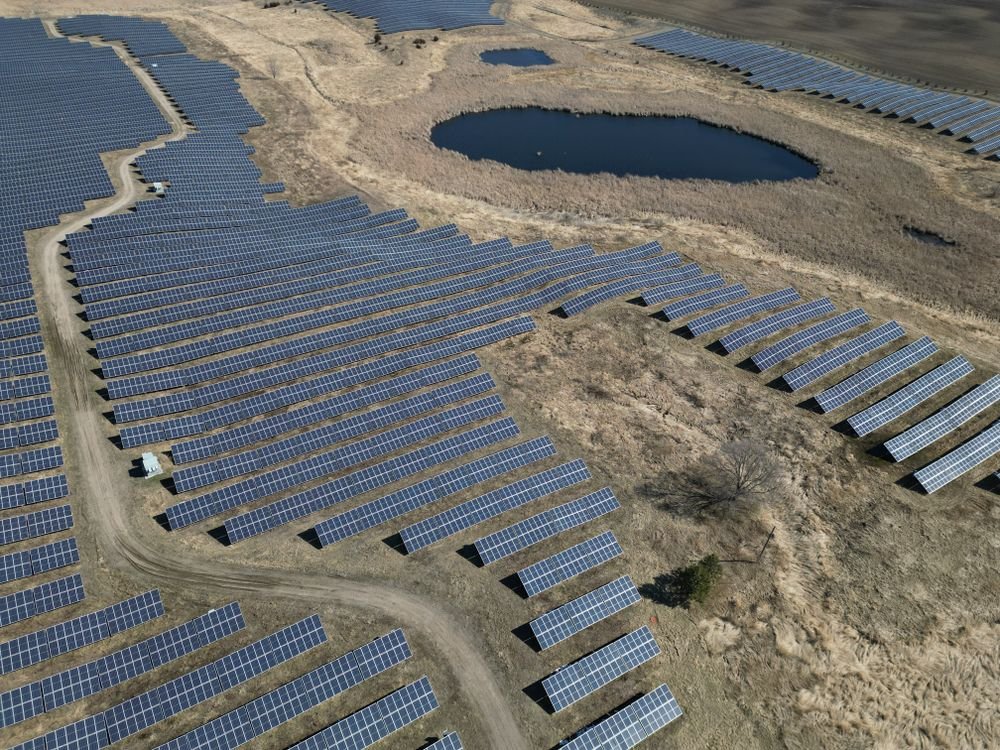
Scenario: an energy investment fund is eyeing Vietnam but unsure: after the 2025 adjustment, where should capital go — solar, wind, LNG or storage? The Adjusted Power Development Plan VIII is the map answering that question.
Decision 768: numbers that speak
On 15 April 2025, the Prime Minister issued Decision 768/QD-TTg approving the adjusted National Power Development Plan for 2021–2030, vision to 2050 (Adjusted PDP8), replacing Decision 500/QD-TTg of 2023. Highlights: total installed capacity of 183,291–236,363 MW by 2030 (sharply up from the 2023 version); solar 46,459–73,416 MW (25.3–31.1% of total); renewables at 30.9–39.2% by 2030; and for the first time a national energy storage target: 10,000–16,300 MW by 2030. The policy message: shifting from “developing power sources” to “building a flexible power system”.
Opportunities by source: which “door” opens widest?
Solar: the largest headroom in absolute MW — especially rooftop solar for self-consumption, targeting 50% of public offices and 50% of households using it by 2030 (for on-site consumption). Wind (onshore + offshore) and LNG keep their pillar role for energy security. Storage (BESS): from zero to a five-digit MW target — a brand-new market with pricing mechanisms under construction; early entrants help shape the rules. The Ninh Thuan nuclear restart (see EXP-5174) adds a specialist infrastructure segment.
Investor selection: no more “ask-and-grant”
The new Electricity Law and guiding decrees move toward competitive bidding for investor selection instead of direct appointment. Investors should track: the project pipeline under the adjusted plan, MOIT’s generation price frameworks and the DPPA mechanism (Decree 57/2025/ND-CP) allowing direct power sales to large customers — the three pieces deciding project bankability.
Recommended actions
1. Match the Decision 768 project list against your capabilities — pick 1–2 “core” sources. 2. For renewables: model both offtake routes (EVN PPA and direct DPPA) in parallel. 3. For storage: enter early to help shape pricing rules. 4. Cross-check all planning figures against the original Decision 768/QD-TTg text.
Frequently Asked Questions
What is the 2030 generation mix under the adjusted plan?
Per Decision 768/QD-TTg (15/4/2025): total capacity 183,291–236,363 MW; solar 46,459–73,416 MW (25.3–31.1%); renewables 30.9–39.2%; and a first-ever national storage target of 10,000–16,300 MW.
What does the priority project pipeline include?
The adjusted plan sets the source and grid project list to 2030, centred on: solar (including self-consumption rooftop), wind, LNG, energy storage and the restarted Ninh Thuan nuclear project. Investors should follow the detailed list in Decision 768 and MOIT implementing documents.
How are power-project investors selected now?
Moving toward competitive bidding for investor selection instead of direct appointment, under the new Electricity Law and guiding decrees — alongside MOIT generation price frameworks and the DPPA mechanism (Decree 57/2025/ND-CP) for direct sales.
Why is energy storage called a “new market”?
Because the adjusted plan sets a first-ever national target of 10,000–16,300 MW of storage by 2030 — from zero to a five-digit MW market while storage-service pricing is still being built. Early entrants can help shape the rules.
What is the rooftop solar target in the plan?
Striving for 50% of public office buildings and 50% of households using self-consumption rooftop solar by 2030 (for on-site consumption, not selling into the national grid).
Where should a Vietnam power-market entry strategy start?
Three things: (1) match the Decision 768/QD-TTg project list against your capabilities; (2) model bankability under both offtake routes (EVN PPA and direct DPPA); (3) track MOIT’s price frameworks and bidding roadmap.

