
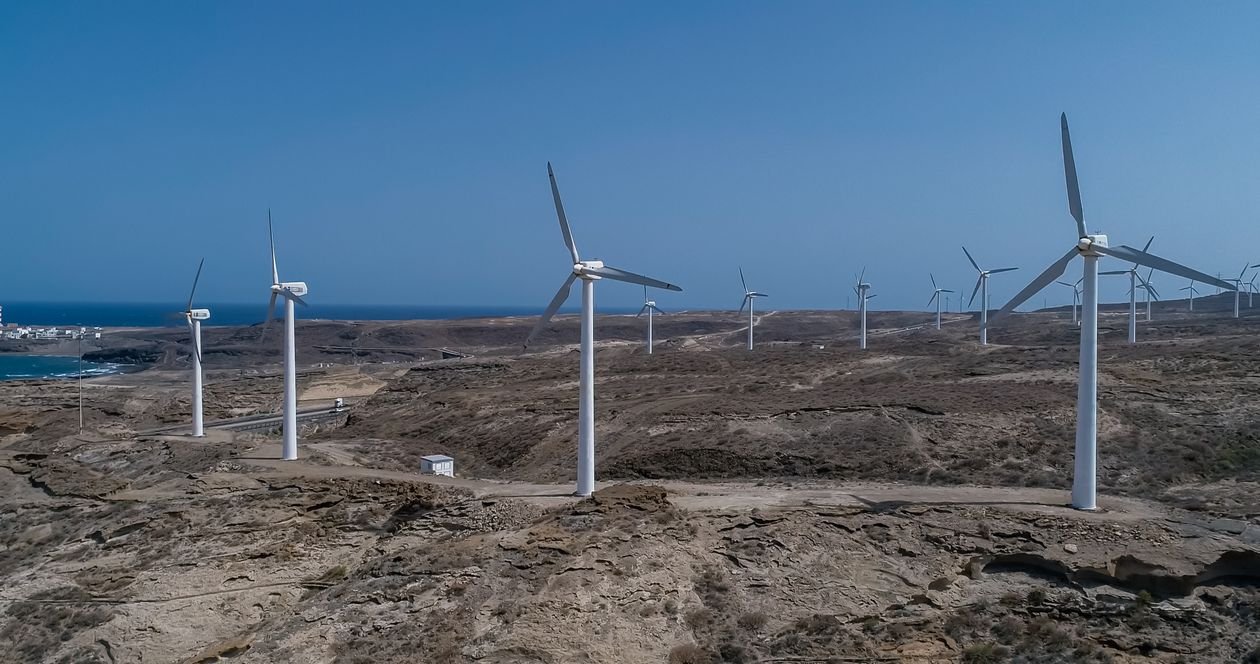
Scenario: a European investor wants to “reserve a spot” for offshore wind in Vietnam, only to find there is no “offshore-wind sea lease application form” at all. The 2026 reality: the plan exists (a pillar of Adjusted PDP8) but the legal framework is unfinished — early investment means moving ahead of the law.
Sea-area allocation: the biggest missing piece
Offshore wind needs allocated sea areas for turbines — but no dedicated “sea allocation for offshore wind” procedure yet exists. The current framework must be patched from the Law on Marine and Island Natural Resources and Environment (overall sea management) and marine survey permits (geological, geophysical surveys). Practical consequence: investors need multiple fragmented permits with unpredictable timelines — the number-one bottleneck, not technology or capital.
Pricing: from FIT to bidding/negotiation
The FIT era for offshore wind is over. The direction under the new Electricity Law is bidding for investor selection and price negotiation within generation price frameworks issued by MOIT. The problem: the offshore wind price framework — for investment costs many times onshore wind’s — has not been set at a bankable level in many investors’ assessment. The “at what price will banks lend” question remains open.
Early-investment risks: survey money can “sink”
Three main legal risks for early offshore wind investment in Vietnam today: (1) marine survey costs (several million USD) may not be recognised if sea-allocation rules change; (2) future power prices are unset — early PPAs may need renegotiation; (3) timelines depend on not-yet-issued guiding documents. The smart strategy: staged surveys tied to legal milestones (spend more only as new rules arrive), not “all-in at once”.
Recommended actions
1. Do not commit big capital before sea-allocation and price frameworks are settled. 2. Stage surveys against legal milestones. 3. Closely track MOIT’s draft offshore wind pricing mechanism. 4. Keep specialist energy legal counsel alongside from day one.
Frequently Asked Questions
What is the procedure for allocating sea areas for offshore wind?
No dedicated “sea allocation for offshore wind” procedure yet exists. Investors must patch together the Law on Marine and Island Natural Resources and Environment plus marine survey permits (geological, geophysical) — multiple fragmented permits with hard-to-predict timelines. This is the number-one legal bottleneck today.
What pricing mechanism (bidding, FIT) is proposed for offshore wind?
The direction is bidding for investor selection and price negotiation within MOIT’s generation price frameworks (under the new Electricity Law), replacing FIT. The problem: the framework has not been set at a bankable level in many investors’ assessment.
What permits do marine surveys need?
Geological and geophysical marine surveys and other sea activities need permits under marine resource and environment rules. Investors should stage surveys and spend further only at clear legal milestones.
What are the legal risks of early offshore wind investment?
Three main risks: (1) survey costs (several million USD) may not be recognised if sea-allocation rules change; (2) future power prices are unset, so early PPAs may need renegotiation; (3) timelines depend on not-yet-issued guiding documents.
Why is offshore wind a “pillar” of the adjusted plan?
The Adjusted PDP8 (Decision 768/QD-TTg, 15/4/2025) positions offshore wind as a pillar of energy security and energy transition — but the legal framework (sea allocation, pricing) has not caught up with the plan’s ambition.
What should investors do while waiting for the complete framework?
A “one step ahead, not three steps ahead” strategy: staged surveys tied to legal milestones, close tracking of MOIT’s draft mechanisms, and specialist energy legal counsel from the start.

