
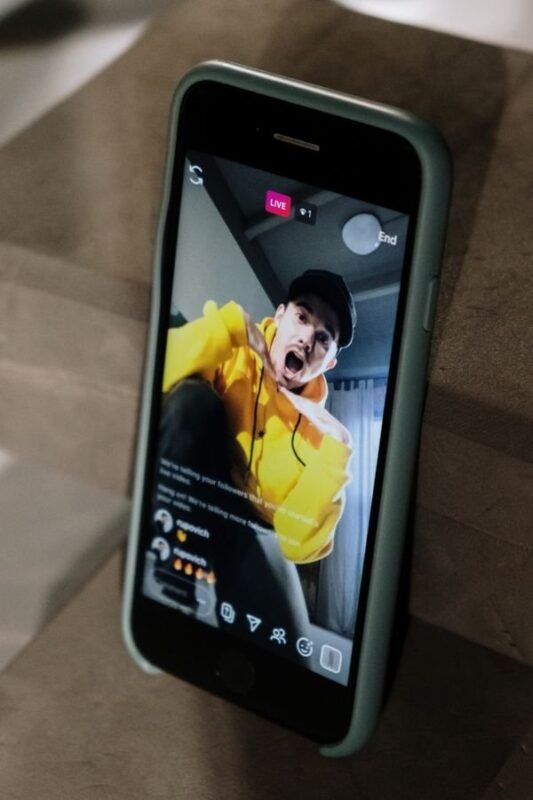
Scenario: Ms. Hang livestreams nightly, taking orders for Guangzhou fashion: customers prepay, she consolidates orders, imports the goods, then delivers. Monthly revenue hits VND 2 billion — yet she declares no tax and clears no customs, with goods arriving via “grey channels”. What legal risks does she face?
Cross-border order goods: customs declaration still mandatory
The “take orders, consolidate, import” model is inherently goods import for trading, however conducted via livestream. Every import consignment into Vietnam requires customs declaration under the Customs Law 54/2014/QH13 (amended by Law 90/2025/QH15). Grey-channel arrivals without declaration constitute smuggling and illegal cross-border transport (Articles 188–189, 2015 Penal Code) — at VND 2 billion monthly revenue, the scale supports criminal liability, not just administrative fines. Enforcement is tightening inspections of “order-goods warehouses” and livestream consolidators — a priority in cross-border e-commerce anti-smuggling.
Tax duties: no tax-free zone for livestreaming
Livestream order-sale revenue is fully taxable income. Individual businesses pay personal income tax under PIT Law 109/2025/QH15 (effective 1 July 2026); large organised operations may be required to register as enterprises for corporate income tax. At import, goods bear import duty and import-stage VAT. The order-goods peculiarity: since goods are pre-ordered and prepaid, tax and invoicing timing must be correctly determined — “goods haven’t arrived so no revenue yet” cannot defer declaration once money is collected. Tax authorities cross-check bank flows, livestream data and carriers — non-declaration at scale is nearly certain to surface in the digital age.
Livestreamer liability for order goods
Order-goods livestreamers are “sellers” under the E-Commerce Law 122/2025/QH15 (effective 1 July 2026) with full duties: VNeID identity verification, information disclosure, quality assurance, return policies. They are also “advertisement conveyors” under Law 75/2025/QH15 amending the Advertising Law (effective 1 January 2026): sales livestreams must be transparent, without exaggerated efficacy or origin claims. Order goods carry heavier disclosure duties since customers cannot inspect beforehand: truthful descriptions of materials, origin and lead times; goods not matching descriptions entitle customers to refuse and demand refunds.
Frequently asked questions
Does pooling orders with friends (no profit) trigger tax filing?
Genuinely non-commercial pooling without margins is not business activity. But the line is thin: frequent, large-scale pooling with “consolidation fees” may be characterised as business, triggering filing duties.
Who answers to customers when customs holds order goods?
The seller (livestream host): refund or deliver as promised. Customs risk is the seller’s business risk, not transferable to customers — unless clearly agreed upfront (rare and hard to sustain).
Livestreaming order goods to overseas customers?
That is export (for Vietnam-origin goods) or cross-border trade, subject to relevant customs and tax laws. Livestreamers should learn destination-country import-tax and product-standard rules.

