
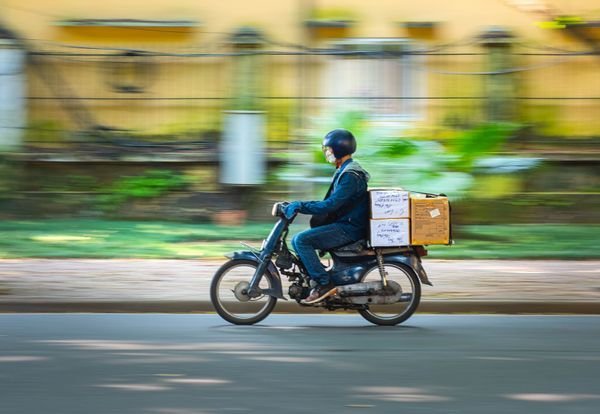
Scenario: Mr. Tung has ridden for a food-delivery platform for three years, earning purely per-order fees. One day he crashes mid-delivery; the platform refuses support — “you’re an independent partner, not staff”. The restaurant says “the rider is the platform’s, not ours”. Who is responsible?
The three-party model: platform — restaurant — shipper
Food-delivery platforms run a three-party model with two main legal relationships. Platform–restaurant: typically a business-cooperation or service contract — the restaurant supplies dishes, the platform supplies the digital storefront, order processing, payment and delivery; revenue splits per agreed commission. Platform–shipper: on paper a “cooperation agreement” or “partnership” — shippers as independent partners, self-scheduling, paid per order. Restaurant–shipper: almost no direct relationship — restaurants hand dishes to platform-assigned shippers. This structure invites responsibility ping-pong when incidents occur, as in Mr. Tung’s case.
Shippers: independent partners or disguised employees?
This is the platform economy’s biggest legal question. The 2019 Labour Code determines employment by substance: working under a party’s management, direction and supervision for pay — regardless of contract labels. Where platforms tightly control riders (schedules, routes, uniforms, order-rejection penalties, ratings affecting income), the real relationship may be deemed employment, triggering employer duties: labour contracts, social insurance, accident insurance. Vietnamese practice: authorities are stepping up inspections, and rider suits seeking employment determination have emerged. A contract’s “independent partner” label does not decide — courts examine actual substance.
Incident liability: accidents, food poisoning, wrong deliveries
Rider accidents mid-delivery: if employment is established, the platform (as employer) answers under labour and social-insurance law; if independent partnership, riders bear their own risk — unless the platform voluntarily buys accident cover for partners (many now do as policy). Food poisoning: restaurants bear primary food-safety responsibility (Food Safety Law 55/2010/QH12); platforms answer within their control scope (verifying restaurants’ food-safety licences before listing, delisting violators). Wrong or missing items: liability follows inter-party contracts — platforms typically refund customers then settle internally against the at-fault side.
Frequently asked questions
Are shippers entitled to compulsory social insurance?
If the relationship is deemed employment, yes — employers must contribute. Independent partners join voluntary social insurance themselves. This is the hottest dispute point today.
A restaurant gets an unfair 1-star review over a rider’s late delivery?
Restaurants may complain to the platform for review and removal of unfair ratings per platform rules. Compensation (if any) follows fault: rider fault means platform or rider liability per cooperation terms.
The platform unilaterally raises commissions — restaurant rights?
The relationship is contractual — platforms may not unilaterally change splits against signed contracts. Restaurants may demand performance, renegotiate, or terminate per terms. Many restaurants now band together for bargaining power.

