
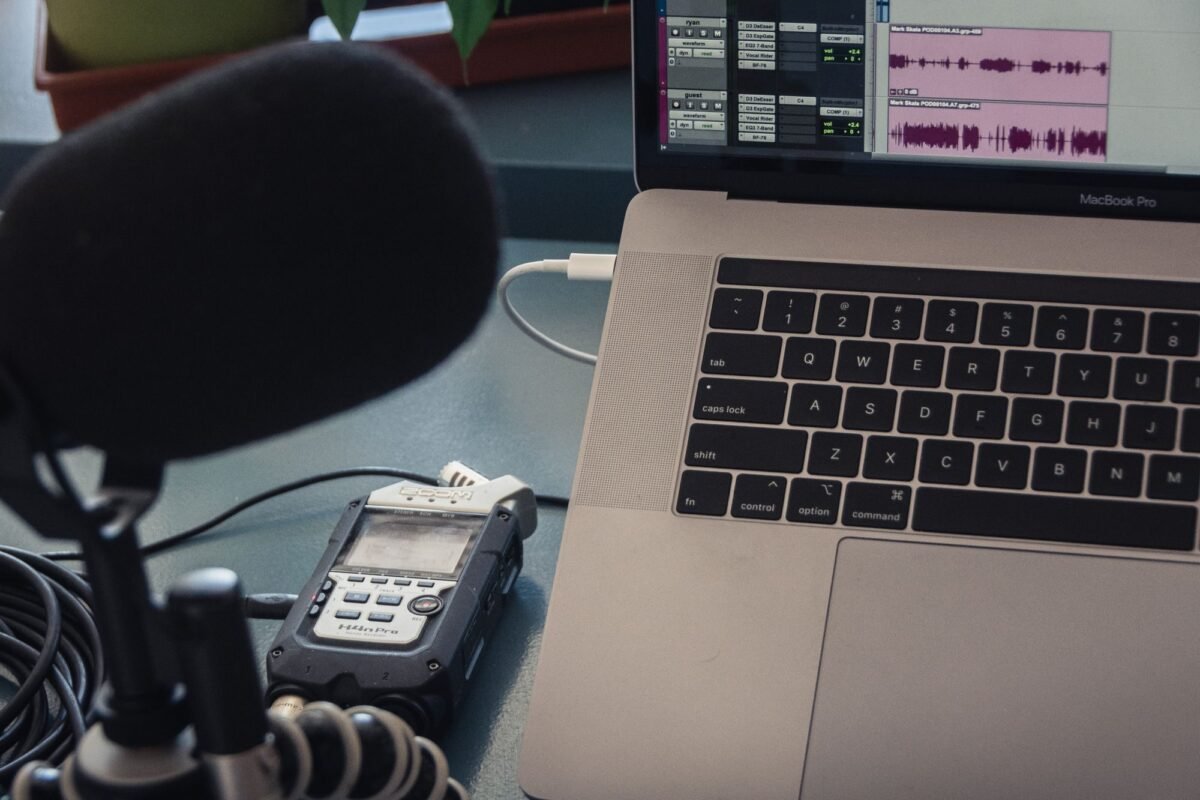
A podcast channel uses a famous song as its intro theme, inserts host-read ads mid-episode and reads news aloud from newspapers — three acts touching three different legal layers. A podcast in Vietnam is not a standalone press form needing its own licence, but podcasters must self-manage three duties: content and music copyright, advertising rules, and the line against impersonating press activity.
1. Applicable legal framework
- Intellectual Property Law 50/2005/QH11 (as amended 2022), Articles 20 and 29–33: using a recording in a podcast exercises the author reproduction and communication rights and the related rights of performers and phonogram producers — permission is needed from each right holder or the relevant collective bodies (composers via the music copyright centre, recordings via the recording industry association).
- Press Law 126/2025/QH15 (effective 1 July 2026): press activity, including radio press, is performed by licensed press agencies; non-press organisations and individuals making podcast audio may not present it as a press product or perform press functions (press cards, reporting in a newsroom name).
- Advertising Law 16/2012/QH13, Article 23 (amended by Law 75/2025/QH15): ads embedded in digital content must be identifiable as advertising; a host reading ads acts as an advertising carrier who must announce and answer for the introduced content like a KOL on any other channel.
- Decree 147/2024/ND-CP: distribution platforms and uploaders must remove infringing content (copyright breaches, false information) on valid requests; podcasts carrying fake information are handled under the online-information frame and Decree 15/2020/ND-CP.
2. Practical analysis
- There is no 15-to-30-second safe harbour for theme music. Vietnamese law sets no safe-seconds threshold for commercial background music; the Article 25 fair-use style exceptions of the Intellectual Property Law serve illustration and research, not the intro of a monetised channel. Royalty-free libraries still need a licence check for commercial podcast distribution.
- News podcasts reading articles aloud use other outlets works. Summarising and commenting on news sits in reasonable-quotation territory with attribution; near-verbatim reading is communication of the work needing the newsroom permission — Press Law 126/2025/QH15 further tightens exploitation of press works on digital platforms to IP law compliance.
- Host-read ads are often left unlabelled in audio. Listeners cannot see episode descriptions; the amended Article 23 identifiability duty forces the host to state the ad segment aloud at its start, not only in show notes — the classic error when brands port video scripts to audio.
- When a guest misspeaks, the channel still loses the content. Upload management responsibility sits with the channel owner: statements infringing personal honour or unverified claims in a podcast are handled as online content, with episode removal and correction as the first measures.
3. What the company should do
- Build a lawful music library for the channel: buy theme licences covering commercial podcast distribution or use original music, and archive licence proof per track.
- Standardise the audio ad format: a spoken advertising announcement at the segment start, clear separation from editorial content and archived brand-approved scripts.
- Sign guest agreements on statement accuracy and the channel right to edit or remove segments when a grounded complaint arrives.
This article provides general information only and is not legal advice for a specific case. Regulations may change; please check the current texts before acting.
Frequently Asked Questions
1. Does using music in a podcast infringe copyright?
Yes, if unlicensed: background music exploits both the composer copyright and the related rights of singers and recording producers under Articles 20 and 29–33 of the Intellectual Property Law. There is no seconds threshold; commercial channels should license via collective bodies or libraries whose licences cover podcasts.
2. What must advertising inside a podcast comply with?
Ad segments must be identifiable under Article 23 of the Advertising Law as amended by Law 75/2025/QH15 — in audio, the host must announce them aloud; products must stay outside the Article 7 Advertising Law ban list; and the host as carrier must verify product documents as on any channel.
3. Does a news podcast need a press licence?
Individual and corporate podcasts are not press agencies, so they neither obtain nor may act under a press licence per Press Law 126/2025/QH15. Commentary on news is allowed, but impersonating a newsroom or journalist status is not, and quoted press content must respect press-work copyright.
4. How is a podcast accused of honour infringement handled?
The channel owner must remove or re-edit the complained segment and publish a correction; the victim may sue under Article 34 of the 2015 Civil Code. Distribution platforms act under the violating-content mechanism of Decree 147/2024/ND-CP on authority requests or valid complaints.
5. Who answers for ad content read by a hired host?
Liability follows roles: the brand answers chiefly for product-information accuracy; the reading host is a carrier who must verify and announce advertising under Law 75/2025/QH15; the podcast channel is the content publisher. Contracts should allocate these three roles and the segment-removal duty on demand.
Related articles
- Korean Suppliers Following Samsung/LG to Vietnam: A 3-Tier Roadmap
- DICA vs Indirect Investment Accounts in Vietnam: Consequences of Using the Wrong One
- FX Differences on Staged Foreign Currency Capital Contributions: Accounting and Tax
- ESOPs for Employees of FDI Companies in Vietnam
- Share Buybacks From Foreign Investors in Vietnam: Procedures and Tax
This legal analysis has been verified against current Vietnamese regulations and cross-border FDI transaction practices by the attorneys at FLAT LAW FIRM.

