
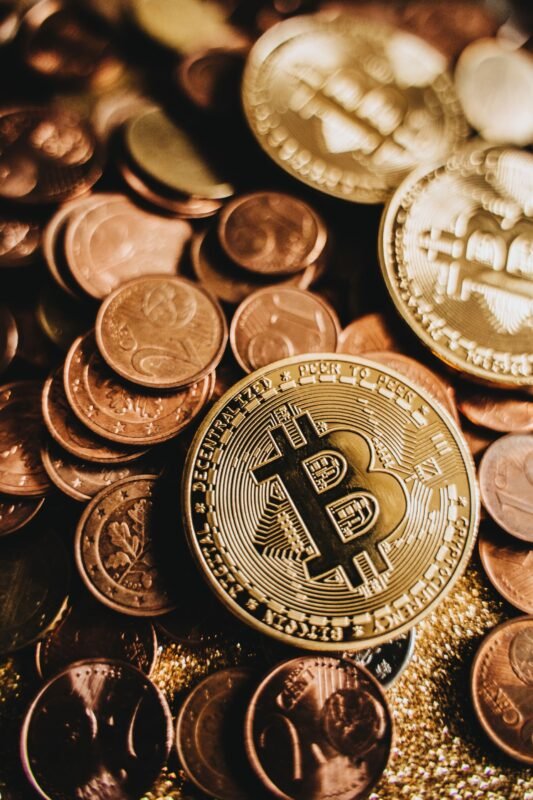
Short answer: The Digital Technology Industry Law 71/2025/QH15 (effective 01/01/2026) brings digital assets into Vietnamese statute for the first time: a digital asset is recognised as a category of property under civil law, with crypto assets as the group authenticated by encryption or similar digital technology. Property recognition, however, does not legalise crypto as payment, nor does it open a free market overnight — detailed operation follows a controlled pilot directed by the Government.
Classification: digital assets, crypto assets, virtual assets
Under Law 71/2025, a digital asset is property expressed as digital data — created, issued, stored, transferred and authenticated by digital technology. Within that group, crypto assets use encryption to authenticate creation and transactions — covering common tokens and cryptocurrencies — while virtual assets are the remaining digital-asset group not authenticated that way. Classification is not academic: it decides how the asset is booked, mortgaged, inherited and fought over, and which asset groups enter the trading pilot. One boundary must be stated plainly: crypto assets are not currency and not a lawful means of payment in Vietnam; paying for goods and services in crypto remains outside the recognised payment framework.
Pilot exchange: controlled and conditional
Current policy direction is a pilot crypto-asset market with a limited number of service providers, Government-set conditions on capital, technology, staffing and investor protection, and domestic investors channelled through licensed pilot organisations so the State can gather supervisory and anti-money-laundering data. For businesses planning token issuance or a platform, the practical consequence is that operating models must be designed as licensed activities — customer identification, segregated custody of client assets and disclosure — while unlicensed exchanges, guaranteed-return solicitations and tokens without a clear underlying remain the highest-risk zone, even where the servers sit offshore but target domestic investors.
Investor cautions
- Separate property recognition from trading permission: lawful ownership does not make every venue lawful.
- Do not use crypto assets as a means of payment in Vietnam.
- Keep source-of-funds and transaction records for tax and AML purposes.
- Treat fixed-return promises as a classic fraud marker dressed as digital assets.
Frequently asked questions
How are digital assets classified (crypto assets, tokens)?
Law 71/2025 defines digital assets as property expressed in digital data; crypto assets are the group authenticated by encryption or similar technology on creation, issuance and transfer — tokens and cryptocurrencies sit here — and virtual assets are the remaining group. Classification drives asset recognition and which groups enter the trading pilot.
What conditions apply to issuing and trading digital assets?
Under the controlled-pilot direction, service providers must meet Government conditions on capital, technology, risk management, customer identification and investor protection. Issuance and public offering outside the pilot frame remain an area without clear permission — businesses need legal advice before launching and should not infer permission from property recognition alone.
How is the pilot digital asset exchange structured?
The pilot limits the number of permitted providers, requires segregated custody of client assets, applies customer identification and transaction monitoring for state supervision and AML. Domestic investors are directed to trade through pilot-frame organisations rather than unlicensed offshore venues.
What legal risks should investors watch?
Three big ones: trading on venues outside the pilot leaves dispute protection very weak; using crypto assets for payment is not recognised; and tax and source-of-funds records are often undocumented. Fixed guaranteed returns are a fraud warning sign to avoid entirely.
Related articles
- Policy Lending: Preferential Packages for Agriculture, SMEs and Social Housing
- Scenario: If Banks Tighten Credit Room, Where Can Businesses Raise Capital?
- Green Loans and Green Bonds: Standards and Banking Practice
- Financial and Banking Reform Roadmap 2026-2030
- Weak Bank Resolution: Mandatory Transfer Mechanisms and Opportunities
This legal analysis has been verified against current Vietnamese regulations and cross-border FDI transaction practices by the attorneys at FLAT LAW FIRM.

