
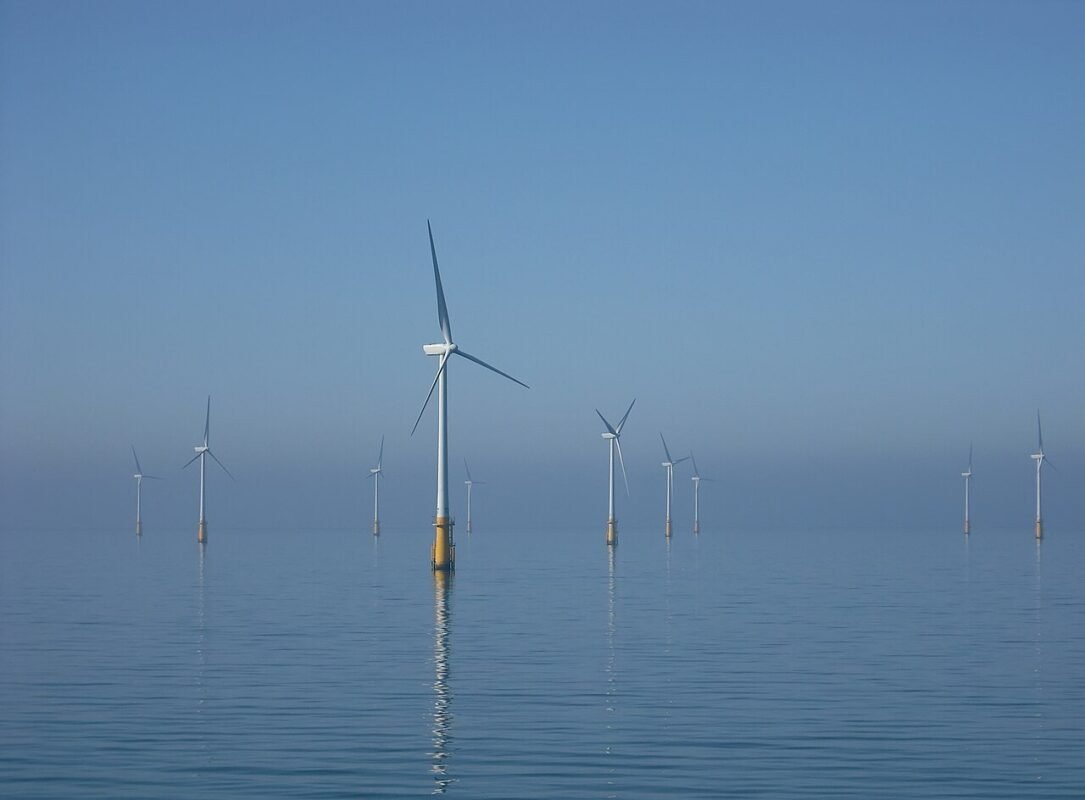
The UK is Europe’s offshore-wind capital with its CfD auction mechanism. Vietnam has a long coastline and strong winds — but FITs have expired and new mechanisms are forming. UK firms bring technology and supply chains; Vietnam brings projects.
The UK: CfD lessons for offshore wind
The UK leads European offshore wind via Contracts for Difference (CfD): developers auction power prices — winners get a guaranteed fixed strike price for 15 years; below-market prices get topped up by the state, above-market gets paid back. This cuts price risk, cheapening bank finance — and through auction rounds, UK offshore wind prices fell sharply.
Lesson for Vietnam: competitive auctions + long-term contracts instead of administrative FITs — more transparent, cheaper for consumers.
Vietnam: what comes after FIT
Vietnam’s wind FIT expired in 2021; new projects await new pricing mechanisms (negotiation/auction) under the revised Power Development Plan VIII and the Electricity Law 2024. New offtake channel: DPPA (direct power purchase — Decree 80/2024) lets companies buy renewable power directly from developers — opening wind sales to industrial parks and FDI factories needing green certificates.
Vietnamese offshore wind: huge potential but the legal frame is still being built (marine surveys, sea-area allocation, pricing) — early investors accept policy risk.
Supply chains: opportunities for both countries’ firms
Offshore wind needs a giant supply chain — the UK–Vietnam playing field:
- Manufacturing: foundations (monopile/jacket), towers, blades — Vietnam’s shipbuilding and steel-structure capacity (Vung Tau, Hai Phong) can convert.
- Ports and logistics: deep-water ports for installation and O&M — invest in dedicated ports.
- Services: marine geotechnical surveys, subsea-cable laying, long-term O&M — UK firms hold North Sea experience.
- Localisation: policies often require local content — UK–Vietnamese JVs are the natural structure.
The legal frame for wind projects in Vietnam
- Planning: projects must fit the revised Power Development Plan VIII — off-plan projects stall.
- Land/sea: onshore wind needs land; offshore needs sea-area allocation — procedures still new, watch closely.
- EIA: environmental impact assessment — offshore wind affects fisheries, shipping lanes, defence.
- Pricing: negotiate PPAs with EVN or DPPAs with large customers (Decree 80/2024).
- Investment: IRC for foreign investors; energy projects are investment-encouraged.
UK–Vietnamese technology transfer
Technology cooperation focuses on: design (foundations for Vietnamese sea conditions — typhoons, soft soils), fabrication processes (welding, marine anti-corrosion coating), O&M (predictive maintenance, service vessels), and training Vietnamese engineers. Register technology transfer per regulations; protect IP in designs and processes. Vietnamese firms should negotiate technology-use rights for follow-on projects — not just one-project subcontracting.
Risks and notes
Policy risk: the new wind-pricing mechanism is unclear — do not commit big capital while prices are unset. Marine risk: typhoons, soils, fishery disputes — survey thoroughly before deciding. Grid risk: transmission overload (the solar lesson) — projects must tie to grid planning. FX: USD/GBP borrowing, VND revenue — FX hedging in PPAs/DPPAs.
Frequently asked questions
What is the UK CfD?
Contracts for Difference: developers auction power prices, winners get a fixed price for 15 years; below-market prices are topped up, above-market paid back — cutting price risk and cheapening finance.
After FIT, who buys Vietnamese wind power?
Negotiated PPAs with EVN under new pricing, or DPPAs (Decree 80/2024) selling directly to large companies (industrial parks, FDI factories needing green certificates).
What is in the offshore wind supply chain?
Foundation/tower/blade fabrication, installation ports and logistics, marine surveys, subsea cables, O&M; Vietnam’s shipbuilding and steel capacity can convert.
What procedures do offshore wind investments need?
Fit with revised Power Development Plan VIII, sea-area allocation, EIA, power-price agreements (PPA/DPPA), and IRC for foreign investors.
Contact FLAT Law Firm
FLAT Law Firm advises on UK–Vietnamese wind projects: legal frame, PPA/DPPA, supply chains and technology transfer. Contact us from project development.