
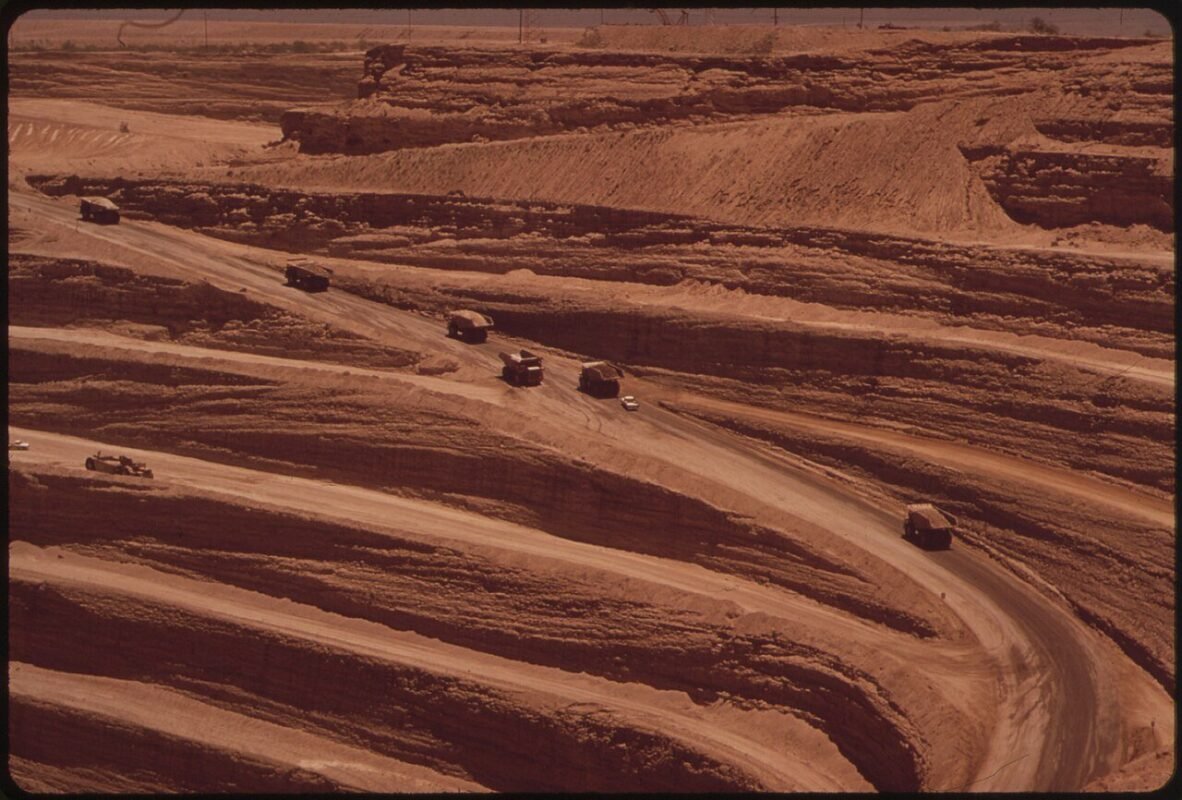
Australia does not just export ore — it exports the METS industry (mining equipment, technology, services) worth tens of billions. Vietnam has resources (rare earths, bauxite…) but lacks sustainable extraction technology — the cooperation gap.
METS: Australia’s real ‘gold mine’
When people say Australian mining, think beyond iron ore and coal — think METS (Mining Equipment, Technology, Services): autonomous drills, driverless trucks, mine-management software, geological consulting, safety training. Australia’s METS sector exports globally, modelling for Vietnam: value sits in technology and services, not just raw ore.
METS firms enter Vietnam via: equipment sales (agents/distributors), technical services (surveys, consulting), mining JVs, or technology transfer.
Vietnam’s resources: opportunities and limits
Vietnam holds rare-earth potential (assessed as large), bauxite (Central Highlands), coal, titanium, limestone… But: raw-ore export restrictions (deep domestic processing encouraged); rare earths are strategic minerals — tightly managed; and extraction must pair with processing (not just dig-and-sell).
Opportunities for Australia: rare-earth separation–processing technology (Vietnam’s biggest gap), sustainable extraction (lower environmental impact), post-mining rehabilitation.
Mining licences in Vietnam
Mineral extraction in Vietnam needs a mining licence under the Mineral Law 60/2010/QH12 (as amended):
- Authority: Prime Minister/provincial People’s Committees by scale and mineral type — rare earths and strategic minerals sit at the top level.
- Conditions: financial capacity, technology, environmental protection plans, rehabilitation bonds (paid before mining).
- EIA: mandatory environmental impact assessment — mining is high environmental-risk.
- Land: land leases, compensation and resettlement for mining-area communities.
- Obligations: resource tax, environmental fees, post-mining rehabilitation (using bond money).
Australia–Vietnam cooperation frames
- Mining JVs: Vietnamese partners hold licences/relationships, Australia contributes capital + technology — split operations, profits and environmental liability clearly.
- EPC + transfer: Australian firms as EPC contractors building processing plants, transferring operating technology.
- METS services: no mining licence needed — just service business registration and service contracts with mine owners.
- Training: mine safety, equipment operation — to Australian standards (among the world’s highest mine-safety benchmarks).
ESG and supply-chain responsibility
Australia’s Modern Slavery Act 2018 (threshold AUD 100 million revenue) requires large businesses to report forced-labour risks in supply chains — including Vietnam operations. Australian firms must vet Vietnamese partners and contractors. Conversely, global customers (especially the EU with the CSDDD) increasingly demand responsible minerals — traceability from mine to product.
Risks and notes
Policy risk: mineral policy can shift (export curbs, higher resource taxes) — contracts need stabilisation/adaptation clauses. Environmental risk: a mine environmental incident = shutdown + massive compensation — never economise on environmental spend. Community risk: local opposition can freeze projects — engage communities early, not just permits. Partner risk: licences attach to the Vietnamese entity — vet partners before contributing capital.
Frequently asked questions
What is METS?
Mining Equipment, Technology, Services — Australia’s mining equipment, technology and services industry (autonomous equipment, mine software, geological consulting, safety training), exported globally; value sits in technology and services, not just ore.
What licences does mining in Vietnam need?
A mining licence under Mineral Law 60/2010 (as amended): PM/provincial authority by scale; conditions include financial capacity, technology, EIA, rehabilitation bonds, land leases and resettlement compensation.
What is Vietnam’s rare-earth policy?
Rare earths are strategic minerals — tightly managed, raw-ore exports restricted, deep domestic processing encouraged; opportunities for Australian separation–processing technology.
How does Australia’s Modern Slavery Act apply?
At AUD 100m revenue, large businesses must report forced-labour risks in supply chains, including Vietnam operations; they must vet Vietnamese partners and contractors.
Contact FLAT Law Firm
FLAT Law Firm advises on Australian–Vietnamese mining cooperation: mining licences, JVs, METS technology transfer and ESG compliance. Contact us from project sourcing.
This article has been quality-reviewed by the FLAW AI Legal Council