
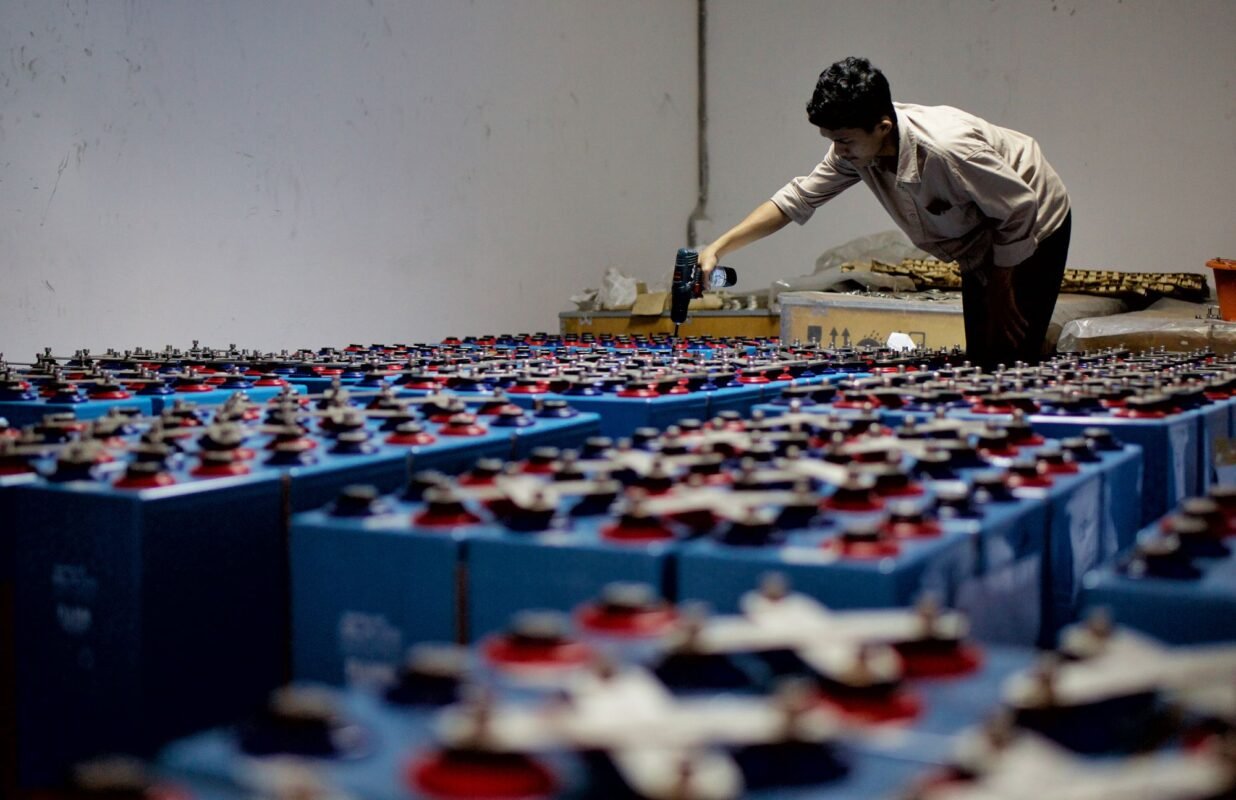
A battery cell plant in Bac Ninh had just test-run its line when the chief engineer resigned to a competitor twenty kilometres away. The foreign-invested board suddenly realised the electrolyte formula had never been filed as a patent, process files sat in personal email, and the battery pack housing design had been exhibited before anyone thought of registering it.
Legal framework and pinpoint provisions
Choosing patent or secrecy for battery technology turns on reverse-engineering risk: a patent under the Intellectual Property Law lasts twenty years from filing but in exchange must disclose enough for a skilled person to carry it out; a trade secret is protected without a time limit as long as three conditions hold: it is not common knowledge, it has commercial value because it is secret, and the owner applies necessary confidentiality measures. Pack housings and module trays go to industrial designs; BMS software is protected as a computer program by copyright while source code is held as a secret.
A battery plant’s biggest weakness is not competitors but flows of people: the chemical supplier learns the formula through orders, the integrator learns laser welding parameters through maintenance contracts. The IP strategy must therefore split the technology into information cells, each contractor seeing only its own cell, and every employment contract for formula-facing roles needs clauses confirming ownership, data hand-back and a ban on taking documents at exit.
Answering each question raised
What IP must a battery and EV plant protect?
Four groups: core technology (patents or secrets for cells, electrodes, BMS), product appearance (industrial designs for pack housings, bodywork, light clusters), identity (trademarks for the plant and product lines), and operating data (processes, parameters, drawings, protected as trade secrets plus access control). Miss one group and a competitor can lawfully copy the rest through that gap.
Should battery technology be patented or kept secret?
The deciding test is whether rivals can reverse-engineer it from the sold product. Cell architecture and cathode materials visible through product analysis should be patented for a twenty-year monopoly. Electrolyte formulas, drying temperatures and coating parameters that never show in the finished product are better kept as trade secrets, because a patent application forces disclosure of precisely those parameters to every reader.
How are EV designs protected?
EV styling, pack housings and exterior details are registered as industrial designs with the National Office of Intellectual Property; for export markets, use the Hague System, which Vietnam has joined, to designate many countries in one application. The survival condition is filing before exhibition display or press photo release; if disclosure already happened, check immediately whether a statutory non-prejudicial disclosure exception still applies.
What if departing staff take battery technology with them?
Act on three evidence layers: prove the information is a trade secret (classified, with protective measures applied), prove the taking (access logs, email, incomplete handover records), and prove loss or risk of use. That record supports damages claims under the employment contract and the Intellectual Property Law, plus interim injunctions if the rival is about to launch a product using the taken technology.
A safe implementation sequence
- Map the intangible assets layer by layer before choosing protection tools.
- Check the prior art and disclosure history to settle novelty.
- File registrations for registrable objects before any further public reveal.
- Lock the human relationships by contract: employment, collaboration, manufacturing, licensing.
- Set up market monitoring and a ready infringement notice template for immediate use.
Frequently asked questions
What IP must a battery and EV plant protect?
Four groups: core technology (patents or secrets for cells, electrodes, BMS), product appearance (industrial designs for pack housings, bodywork, light clusters), identity (trademarks for the plant and product lines), and operating data (processes, parameters, drawings, protected as trade secrets plus access control).
Should battery technology be patented or kept secret?
The deciding test is whether rivals can reverse-engineer it from the sold product.
How are EV designs protected?
EV styling, pack housings and exterior details are registered as industrial designs with the National Office of Intellectual Property; for export markets, use the Hague System, which Vietnam has joined, to designate many countries in one application.
What if departing staff take battery technology with them?
Act on three evidence layers: prove the information is a trade secret (classified, with protective measures applied), prove the taking (access logs, email, incomplete handover records), and prove loss or risk of use.
The practical conclusion for battery ev plant ip strategy vietnam: do not start from forms, start from the evidence file proving your own rights and duties in battery ev plant ip strategy vietnam; once that evidentiary layer stands, the remaining remaining work is follow-on procedure. Conversely, every shortcut at the start of battery ev plant ip strategy vietnam returns as repair cost at the end.
Related articles
- State Fees for the Full FDI Company Formation Process: Itemized
- Legal Fees for FDI Formation: Fixed Package vs Hourly
- Translation, Notarization and Legalization Costs for FDI Dossiers
- DICA Account Opening and First-Year Bank Fees
- First-Year Costs: Digital Signature, E-Invoices and Accounting Software
This legal analysis has been verified against current Vietnamese regulations and cross-border FDI transaction practices by the attorneys at FLAT LAW FIRM.

