
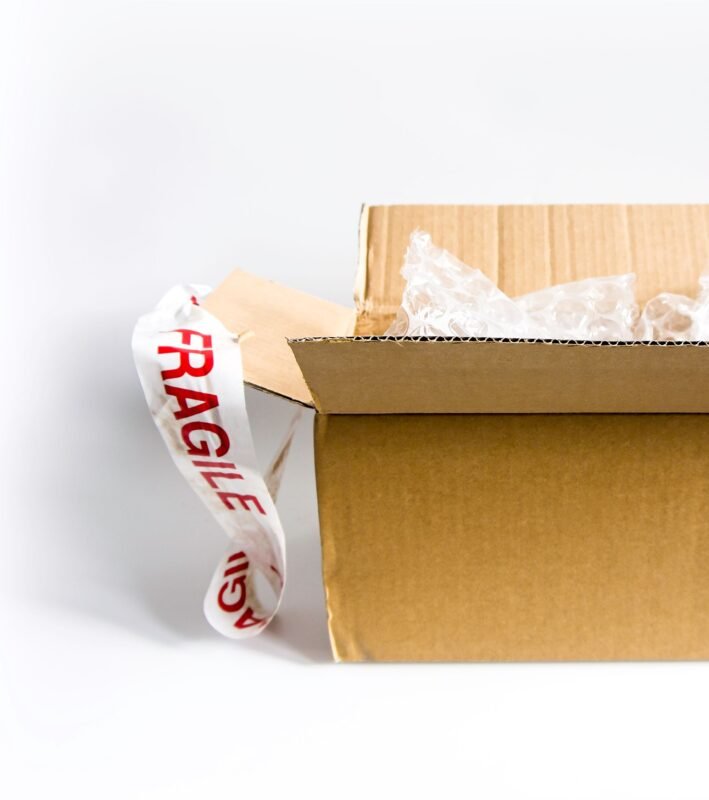
A foreign-invested beverage company puts NFC chips and variable QR codes on packaging to fight counterfeits and collect scan data. Three departments argue three different things: R&D wants a patent for the printed antenna structure, marketing wants the new box shape registered, and legal asks who owns scan-location data and whether it is personal data.
Legal framework and pinpoint provisions
Smart packaging layers IP cleanly under the Intellectual Property Law: technical solutions such as antenna structures, printed circuits and sensor-activation mechanisms are patent subject matter with a twenty-year term if novel and inventive; packaging shape is an industrial design for five years renewable at most twice; labels and graphic designs are copyright and trademarks. The data layer is separate: variable QR codes tied to accounts, locations and scan times can become personal data when linkable to an individual, and then the Personal Data Protection Law 91/2025/QH15 and Decree 356/2025/ND-CP apply in full.
The common trap is patenting the idea of putting a QR code on packaging, a concept already in the global prior art that will be refused or later invalidated; value sits in specific technical detail. The second trap is collecting scan data through an analytics partner’s app with no data-processing agreement: when an incident occurs, the brand owner does not control data carrying its own brand.
Answering each question raised
Which IP protects smart packaging with QR, NFC and sensors?
By component: chips and circuits are hardware protected by the chip supplier’s patents, with the brand usually only licensed; the structure integrating chips into packaging material and printed antennas is what the brand can patent itself; anti-counterfeit authentication protocols are trade secrets and software copyright; packaging shape and graphics are designs, copyright and trademarks. Counterfeiters can copy the outward form but cannot clone server-side authentication keys, which is why the technical authentication layer is the real protection.
How is a patent filed for packaging technology?
Like any Vietnamese patent: file at the National Office of Intellectual Property with a description sufficiently disclosing the solution and claims drawn to the actual novelty, such as antenna geometry compatible with damp carton rather than packaging with NFC, passing formal examination, publication and substantive examination within statutory timelines. Foreign applicants act through an industrial-property representative; international strategy uses a PCT application designating Vietnam or twelve-month Paris priority from the first filing.
Who owns data collected from smart packaging?
Separate raw data from personal data: non-identifying scan data such as regional scan counts and counterfeit-authentication rates is the brand’s data asset under supply-chain contracts; data tied to user accounts, prize-redemption phone numbers and precise locations is personal data, with the brand as controller and the analytics partner as processor, a relationship that must be a data-processing agreement under Decree 356/2025/ND-CP. Not all scan data is unconditionally the brand’s.
How should a trademark be handled for a new packaging line?
Principle: a trademark protects identifying signs, not technical functions, so do not use a name describing the smart feature as the main mark because distinctiveness is weak. File for the new product-line name and the anti-counterfeit feature’s sub-brand, the authentication seal or hologram, in the relevant goods classes before mass printing; registrability checks must search competitors’ similar marks in beverages and food, because clashes occur more often on sub-brands than main marks.
A safe implementation sequence
- Map the intangible assets layer by layer before choosing protection tools.
- Check the prior art and disclosure history to settle novelty.
- File registrations for registrable objects before any further public reveal.
- Lock the human relationships by contract: employment, collaboration, manufacturing, licensing.
- Set up market monitoring and a ready infringement notice template for immediate use.
Frequently asked questions
Which IP protects smart packaging with QR, NFC and sensors?
By component: chips and circuits are hardware protected by the chip supplier’s patents, with the brand usually only licensed; the structure integrating chips into packaging material and printed antennas is what the brand can patent itself; anti-counterfeit authentication protocols are trade secrets and software copyright; packaging shape and graphics are designs, copyright and trademarks.
How is a patent filed for packaging technology?
Like any Vietnamese patent: file at the National Office of Intellectual Property with a description sufficiently disclosing the solution and claims drawn to the actual novelty, such as antenna geometry compatible with damp carton rather than packaging with NFC, passing formal examination, publication and substantive examination within statutory timelines.
Who owns data collected from smart packaging?
Separate raw data from personal data: non-identifying scan data such as regional scan counts and counterfeit-authentication rates is the brand’s data asset under supply-chain contracts; data tied to user accounts, prize-redemption phone numbers and precise locations is personal data, with the brand as controller and the analytics partner as processor, a relationship that must be a data-processing agreement under Decree 356/2025/ND-CP.
How should a trademark be handled for a new packaging line?
Principle: a trademark protects identifying signs, not technical functions, so do not use a name describing the smart feature as the main mark because distinctiveness is weak.
The deciding point in smart packaging ip vietnam is not the right answer on paper but proof that you acted in the right order in smart packaging ip vietnam: fix the rights first, lock the evidence second, and only then carry out the remaining work. With that discipline, an smart packaging ip vietnam file withstands both counterparty diligence and regulator scrutiny.
Related articles
- Parent Company's Business License: Legalization and Translation
- Parent Financial Statements: Audit, Translation and Recency
- Bank Statements Proving Financial Capacity: Format and Balances
- Parent Company's Investment Decision: Mandatory Contents
- Land/Factory Lease Contracts: Mandatory Clauses for the IRC Dossier
This legal analysis has been verified against current Vietnamese regulations and cross-border FDI transaction practices by the attorneys at FLAT LAW FIRM.

