
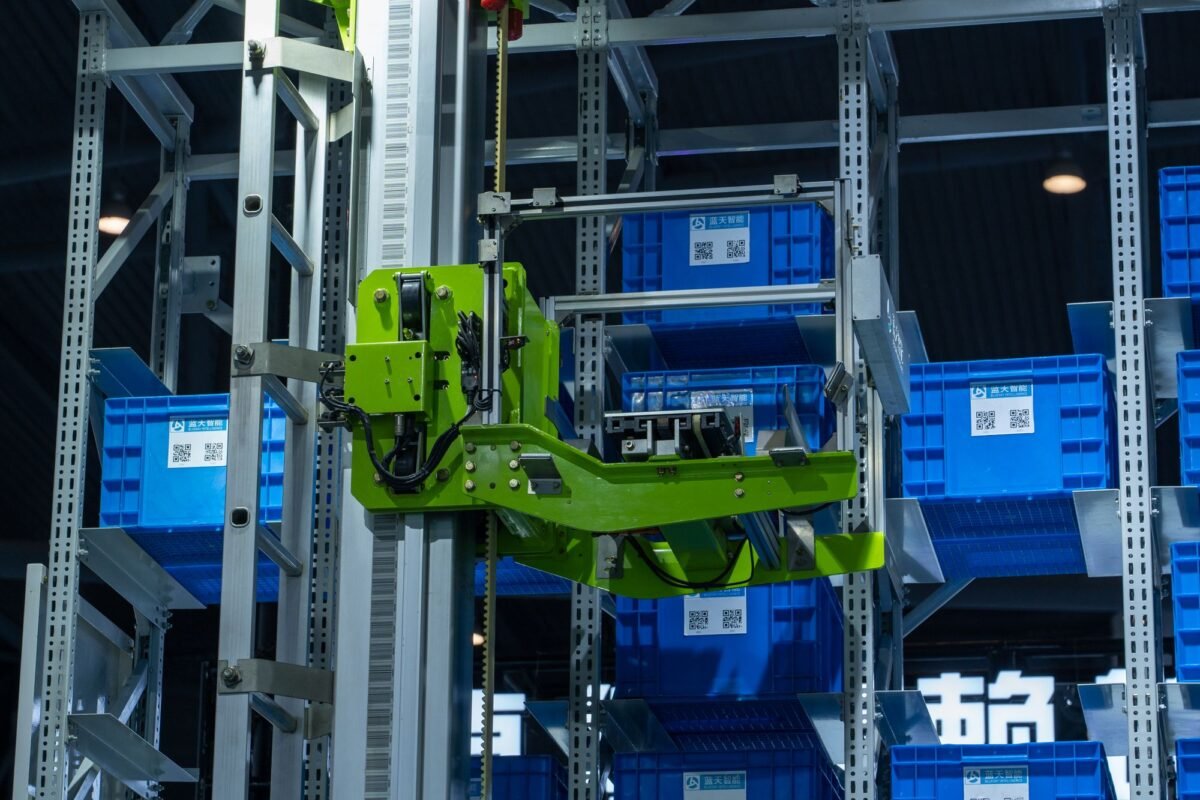
A foreign-invested logistics centre in Binh Duong runs an automated warehouse: the warehouse management system was bought from a global vendor, sorting robots were installed by a local integrator, and the route-optimisation algorithm was written by the company’s own engineers. Wanting a second warehouse and a new integrator, the company discovers it cannot tell what it may reuse.
Legal framework and pinpoint provisions
Rights in a smart warehouse follow contracts more than statutes: WMS software is licensed on the vendor’s terms, number of sites and users, no modification; integration code written by the implementer usually belongs to the implementer if the service contract lacks an assignment clause, under the Intellectual Property Law rules on commissioned works; algorithms written by employees belong to the company through the assigned-task mechanism. Patents are feasible only for technical solutions, robot control mechanisms and conveyor structures, because Article 59 excludes business methods and computer programs as such, so a pure optimisation algorithm is not patentable.
The choke points are data and interfaces: switching integrators needs the integration source code, API documents and warehouse configuration data, often held hostage if the first contract lacked handover and source-code escrow clauses. A second warehouse also hits per-site WMS licensing: copying the system to the new site without extending the licence infringes copyright even within the same company.
Answering each question raised
Can an automated warehouse management system be patented?
Only the technical-solution parts: mechanical structures and device-control methods with specific technical effects, cutting conveyor jams or saving robot energy, can be patented; WMS software logic and pure sorting algorithms fall in the Article 59 exclusions of the Intellectual Property Law. Practical protection for the software is computer-program copyright plus trade secrets over source code and operating parameters.
How are in-warehouse route optimisation algorithms protected?
By a bundle excluding patents: copyright in the code expressing the algorithm, trade secrets over parameters, training data and tuning logic, which are hard to copy because tied to each warehouse’s live operating data, and employment or collaboration contracts fixing ownership. If the algorithm ties into a robot-fleet control mechanism producing measurable technical effects, that part can be split into its own patent filing; the line is technical effect, not algorithmic cleverness.
Patent or trade secret for warehouse robots?
By exposure to dissection: robots sold on the market or shown on warehouse tours have their mechanisms exposed to rivals, so patent them for a twenty-year monopoly and the right to block similar imports. Conversely, server-side fleet-orchestration logic invisible from outside is better kept secret, because a patent application publishes its description after the statutory period for every rival to read.
Who owns IP in a systems-integration contract?
The default does not favour the paying side: the integrator keeps rights in code and tools it brings and in new developments if the contract is silent; the warehouse company securely owns only its operating data and a licence to use the system. An IP-sound integration contract needs: each party’s background-asset list, assignment or licence for project developments, source-code escrow, handover documentation at the end, and the right to hire a third party to maintain the system without infringing the former integrator’s rights.
A safe implementation sequence
- Map the intangible assets layer by layer before choosing protection tools.
- Check the prior art and disclosure history to settle novelty.
- File registrations for registrable objects before any further public reveal.
- Lock the human relationships by contract: employment, collaboration, manufacturing, licensing.
- Set up market monitoring and a ready infringement notice template for immediate use.
Frequently asked questions
Can an automated warehouse management system be patented?
Only the technical-solution parts: mechanical structures and device-control methods with specific technical effects, cutting conveyor jams or saving robot energy, can be patented; WMS software logic and pure sorting algorithms fall in the Article 59 exclusions of the Intellectual Property Law.
How are in-warehouse route optimisation algorithms protected?
By a bundle excluding patents: copyright in the code expressing the algorithm, trade secrets over parameters, training data and tuning logic, which are hard to copy because tied to each warehouse’s live operating data, and employment or collaboration contracts fixing ownership.
Patent or trade secret for warehouse robots?
By exposure to dissection: robots sold on the market or shown on warehouse tours have their mechanisms exposed to rivals, so patent them for a twenty-year monopoly and the right to block similar imports.
Who owns IP in a systems-integration contract?
The default does not favour the paying side: the integrator keeps rights in code and tools it brings and in new developments if the contract is silent; the warehouse company securely owns only its operating data and a licence to use the system.
The deciding point in smart warehouse logistics ip vietnam is not the right answer on paper but proof that you acted in the right order in smart warehouse logistics ip vietnam: fix the rights first, lock the evidence second, and only then carry out the remaining work. With that discipline, an smart warehouse logistics ip vietnam file withstands both counterparty diligence and regulator scrutiny.
Related articles
- State Fees for the Full FDI Company Formation Process: Itemized
- Legal Fees for FDI Formation: Fixed Package vs Hourly
- Translation, Notarization and Legalization Costs for FDI Dossiers
- DICA Account Opening and First-Year Bank Fees
- First-Year Costs: Digital Signature, E-Invoices and Accounting Software
This legal analysis has been verified against current Vietnamese regulations and cross-border FDI transaction practices by the attorneys at FLAT LAW FIRM.

