
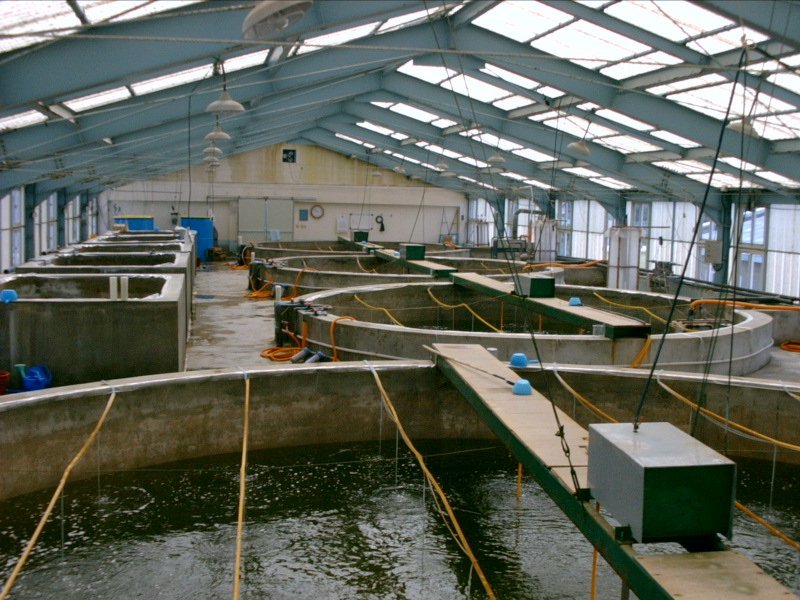
The shift is underway: as nearshore farming grows crowded and polluted, major seafood companies move offshore with storm-resistant HDPE cages and onshore recirculating systems (RAS) with fully controlled water. Both are “high-tech” — and both have distinct legal gates to clear before the first fingerling goes in.
Marine farming: sea surface is a managed resource
The Fisheries Law 18/2017/QH14 (effective 01/01/2019) governs marine aquaculture: organizations and individuals must be allocated or lease sea areas in line with marine spatial planning. You cannot simply sail out and drop cages — sea surface is state-managed, and use requires an allocation/lease decision plus financial obligations.
In practice: cages must meet technical standards (storm resistance, non-polluting), keep farming logs, and large projects need marine environmental impact assessment. Cage breakage with fish escaping into the wild can trigger ecological-damage liability.
RAS: a fish factory on land
Recirculating Aquaculture Systems reuse 90–99% of water through biofiltration, enabling high-density farming on small footprints with absolute disease and water-quality control. Legally, RAS is a land-based aquaculture facility: it must fit land-use planning, hold environmental permits (treated effluent), and comply with rules on seed, feed and aquatic veterinary drugs.
RAS’s legal advantage: controlled inputs and outputs make international certifications (ASC, BAP) and strict residue requirements easier to meet than traditional farming.
Shared risks to manage by contract and insurance
- Natural disasters: storms destroying sea cages — force-majeure clauses and agricultural insurance (supported species under Decree 58/2018/ND-CP include black tiger shrimp, whiteleg shrimp and pangasius).
- Disease: reporting and zoning duties under the Veterinary Law; seed-purchase contracts need quality and quarantine warranties.
- Cross-pollution: liability when your effluent harms neighboring farms — monitor outputs and keep records for self-defense.
Frequently Asked Questions
1. Can individuals license sea areas for marine farming?
Yes, under the rules allocating sea areas to organizations and individuals for aquaculture. But scale and location must fit planning and pass appraisal — not every stretch of sea is open for farming.
2. Does RAS need a water-extraction permit?
RAS recycles water so top-up needs are low, but initial well or surface-water intake remains governed by the Water Resources Law 28/2023/QH15 — extraction above thresholds needs a permit.
3. What certification edge does RAS fish have for export?
Fully controlled rearing makes ASC, BAP and traceability/antibiotic-residue requirements of the EU, US and Japan easier to satisfy — which is why many investors accept RAS’s higher capex.
This article has been quality-reviewed by the FLAW AI Legal Council