
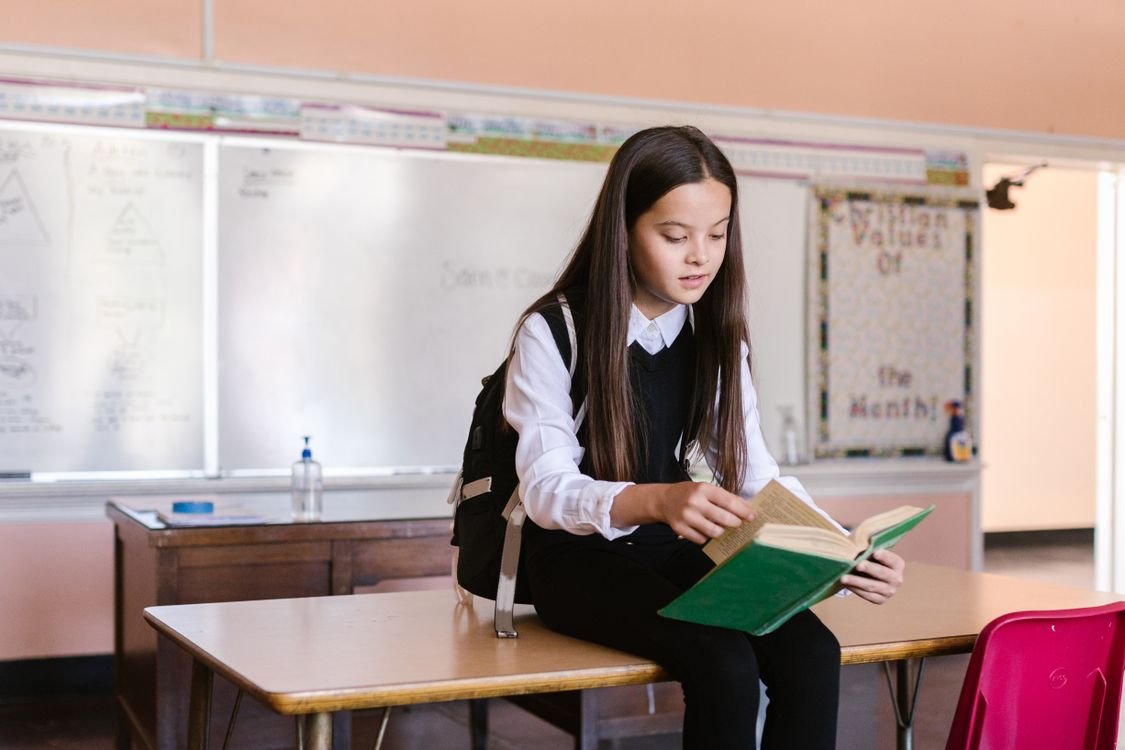
Vietnamese is the teaching language of Vietnam’s public school system, so whether a child without Vietnamese can study here has completely different answers by school type. Education Law 43/2019/QH14 establishes Vietnamese as the official language used in education institutions while allowing teaching and learning in foreign languages in statutory cases — the foundation of the international and bilingual sectors.
Public school without Vietnamese: is it possible?
On admission, a lawfully residing foreign child may be accepted by a public school where places remain, but the entire curriculum, textbooks and assessment are in Vietnamese. A child with no Vietnamese foundation cannot follow content even in mathematics and science, so schools in practice suggest language preparation or a school with support first. This is an academic barrier rather than an administrative ban: the acceptance decision turns on whether the school can ensure the child can actually learn the programme under the Education Law 43/2019/QH14 framework.
Which languages international and bilingual schools teach in
International schools for foreigners teach mainly in English or in the language of the approved foreign programme, with Vietnamese usually a minor subject or an introductory requirement for some pupil groups. Bilingual schools split time between Vietnamese and English under an approved model, suiting children building a Vietnamese foundation not yet sufficient for full Vietnamese-medium study. Parents should read the actual language model by grade carefully, because under the same bilingual label the two languages’ proportions can differ dramatically.
Vietnamese classes for foreign children: where to find them
Three common sources are support classes inside international and bilingual schools for newly enrolled pupils, language centres running Vietnamese programmes for children, and private tutors following a communication-to-academic progression. A child planning to transfer into a public or bilingual school should study academic Vietnamese: subject vocabulary, reading comprehension and paragraph writing, not daily conversation alone. Building the foundation is measured in school years, not months, and families should set a reassessment point each semester to time any school transfer realistically.
Practical steps: assess the child’s current Vietnamese honestly, choose the school type by the teaching language the child can follow today — not next year’s hope — and invest in parallel academic-Vietnamese classes if the long-term goal is a public or bilingual school.
Frequently Asked Questions
Can a child with no Vietnamese attend a public school?
Administratively a child may be admitted where places remain, but the public curriculum is taught and assessed entirely in Vietnamese under Education Law 43/2019/QH14, so a child without a Vietnamese foundation cannot keep up. It is a practical academic barrier, usually needing language preparation first.
What language do international schools teach in?
International schools teach mainly in English or the language of their approved foreign programme; bilingual schools split time between Vietnamese and English by their own model. Read the actual language ratio by grade, because the bilingual label varies widely between schools.
Where are Vietnamese classes for foreign children?
In support classes inside international and bilingual schools, at language centres running Vietnamese programmes for children, or with a private tutor. A child aiming at public school should learn academic Vietnamese — subject vocabulary, reading and writing — not conversation only.

