
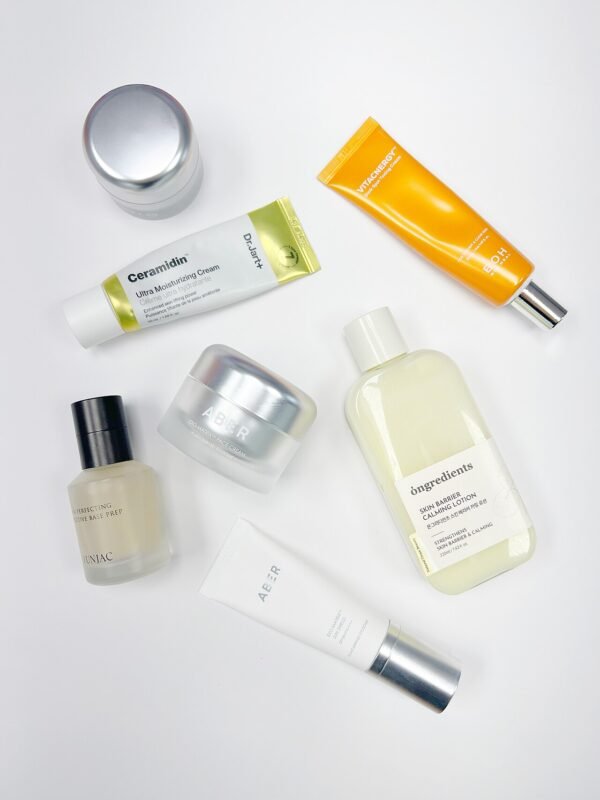
A Korean cosmetics brand enters Vietnam and files for its skincare line — only to be asked to clarify: is this a cosmetic (Class 3) or a pharmaceutical preparation (Class 5)? A single phrase like “helps treat” in marketing materials can shift the classification and with it the entire protection strategy. In cosmetics, the boundary between these two classes is the decisive point many foreign investors overlook.
Legal basis
Law on Intellectual Property 50/2005/QH11, amended by Law 07/2022/QH15 (effective 01/01/2023) and Laws 93/2025/QH15 and 131/2025/QH15 (effective 01/04/2026); see consolidated document 67/VBHN-VPQH 2026. Decree 65/2023/ND-CP details industrial property. Vietnam applies the Nice Agreement (45 classes: 1–34 goods, 35–45 services), current version. Article 119 sets the examination track (1-month formality, 1-month publication, 5-month substantive examination; a 3-month fast-track examination is available under Clause 2a of Article 119); certificates last 10 years and are renewable. All instruments remain in force as of the writing date.
Class 3 vs Class 5: where is the line?
- Class 3: cosmetics and non-medicated toiletries — moisturisers, lipstick, perfume, shampoo, shower gel, makeup preparations;
- Class 5: pharmaceuticals and medical sanitary preparations — medicines, functional foods, medical disinfectants, cosmeceuticals with claimed pharmacological effects.
The decisive factor is not the product name but how its function is described. The same jar of cream is Class 3 as a “beauty moisturiser” and Class 5 as a “dermatitis treatment”. Businesses must keep one consistent description across the trademark filing, the cosmetics notification dossier and advertising materials — contradictions across dossiers invite challenges from competitors or regulators.
Beyond the goods classes, a cosmetics brand opening retail chains or exclusive distribution needs Class 35 (retail, distribution), while branded spas or beauty clinics need Class 44 (medical, beauty and personal-care services).
Descriptive signs: the classic cosmetics trap
Cosmetics brands love words like “whitening”, “natural”, “organic” or “herbal” in their names. Under the IP Law, signs describing a product’s characteristics lack distinctiveness and will be refused if standing alone. Examination practice at the Intellectual Property Office of Vietnam shows the pattern clearly: the more directly a mark “says” what the product does, the harder it is to register.
The smart strategy is separation: the brand name (a distinctive sign, worth registering) versus the efficacy slogan (free to use in advertising, and usually unregistrable). Do not bet the whole brand on a name the law treats as descriptive.
Counterfeits and parallel imports: the trademark is the first weapon
Cosmetics rank among the most counterfeited goods in Vietnam. A registered trademark certificate is the basis for asking market-surveillance authorities and customs to act against fakes and infringing goods — under Decree 99/2013/ND-CP on administrative sanctions in industrial property (as amended by Decrees 126/2021/ND-CP, 46/2024/ND-CP and 186/2026/ND-CP, the latter effective 15/07/2026). Without a certificate, a company has almost no legal tool to stop counterfeits bearing its name.
One distinction matters: genuine parallel imports differ from counterfeits. Blocking parallel imports through trademark law alone is very difficult; the practical answer combines trademark protection with exclusive distribution strategy, contracts and pricing policy — more a commercial question than a legal one.
Action checklist
- Align the product-function description across all dossiers (trademark filing, cosmetics notification, advertising) before choosing Class 3 or Class 5.
- Audit the brand name: strip purely descriptive elements from the core mark to be protected.
- Add Class 35 (retail/distribution) and Class 44 (spa/clinic) if the business model includes them.
- Run conflict searches in the chosen classes; file early, as examination takes about 7 months under Article 119 (3 months on the fast-track route).
- After grant, record the mark with customs to block counterfeits at the border.
Frequently asked questions
1. Does a moisturiser go in Class 3 or Class 5?
Class 3 for ordinary cosmetics (moisturising, beautifying). Class 5 where the product claims pharmacological or therapeutic effects. The specification wording in the application decides.
2. Which class covers perfume and lipstick?
Class 3 — cosmetics and non-medicated toiletries under the Nice Classification.
3. Can a brand name containing “natural” or “organic” be registered?
Very difficult if those words stand alone or dominate, because the law excludes signs describing product characteristics for lack of distinctiveness. Combine them with a distinctive element (coined word, figurative device).
4. Does opening branded cosmetics stores need an extra class?
Yes — Class 35 for retail and distribution services. Class 3 protects only the cosmetic goods, not the store operation.
5. How does a certificate help against counterfeits?
It is the basis for market-surveillance and customs action against fakes and infringing goods under Decree 99/2013/ND-CP (as amended by Decrees 126/2021/ND-CP, 46/2024/ND-CP and 186/2026/ND-CP, the latter effective 15/07/2026). Record the mark with customs right after grant.
IP advice for FDI enterprises
Cosmetics demands precision from the very first classification step: one wrong description line and the whole protection strategy veers off course. FLAT LAW FIRM advises foreign investors on Nice classification, descriptive-sign handling, filing and anti-counterfeit enforcement. Contact us for advice tailored to your case.
This article provides general legal information and does not substitute advice for specific cases.
Related articles
- Buying IP Risk Insurance for Trade Secrets: Is It Worthwhile?
- Recovering Training Costs When R&D Staff Leave with Secrets
- Discovering an Employee Planted by a Competitor: Crisis Handling
- Protecting Trade Secrets with Cross-Border Remote Work
- Employees Using Personal Phones and Laptops for Work: Preventing Secret Leaks

