
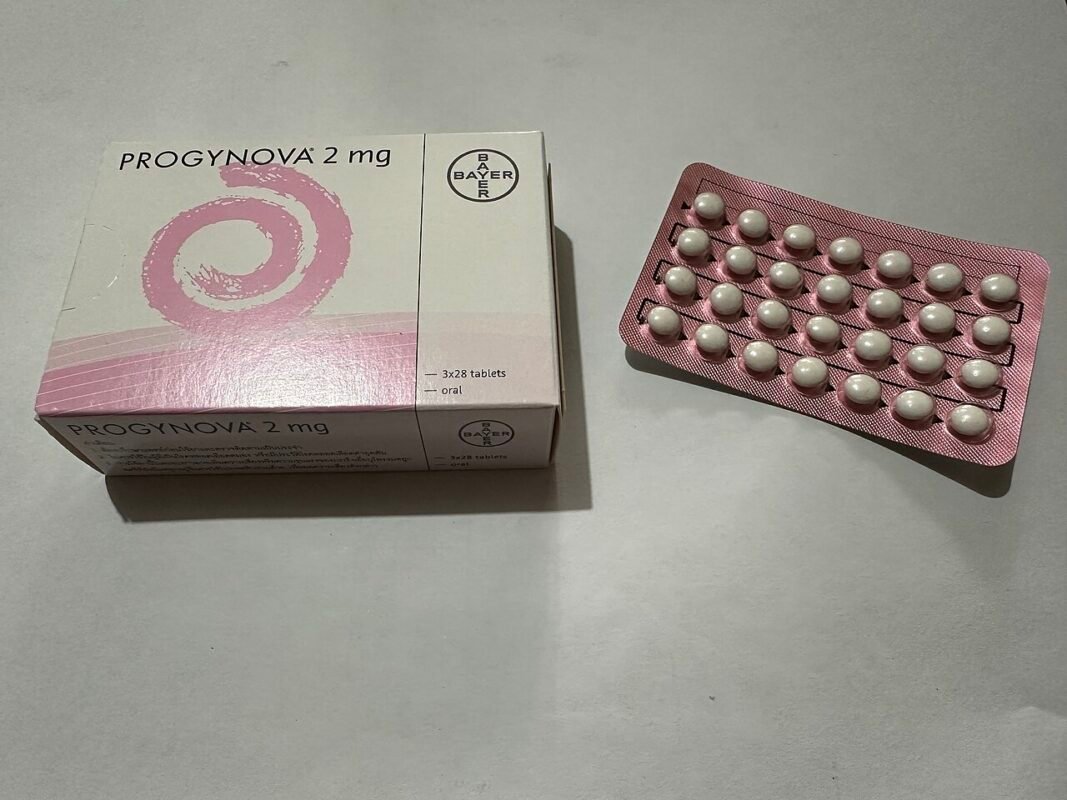
A foreign pharmaceutical company wins marketing authorisation for its drug in Vietnam — under a trade name. Then it discovers the trade name on the authorisation dossier differs from the trademark it filed, or worse, that a local company has already registered a confusingly similar mark. In pharma, the trademark and the regulatory dossier are two halves of one product identity. Treating them as separate projects is the most expensive mistake an investor can make.
Legal basis
Law on Intellectual Property 50/2005/QH11, amended by Law 07/2022/QH15 (effective 01/01/2023) and Laws 93/2025/QH15 and 131/2025/QH15 (effective 01/04/2026); consolidated document 67/VBHN-VPQH 2026. Decree 65/2023/ND-CP details industrial property. Vietnam applies the Nice Agreement (45 classes), current version. Article 119 sets the trademark examination track (1-month formality, 1-month publication, 5-month substantive examination; a 3-month fast-track examination is available under Clause 2a of Article 119); certificates last 10 years and are renewable. The Law on Pharmacy 105/2016/QH13 (as amended by Law 44/2024/QH15, effective 01/07/2025) governs marketing authorisation (registration of circulation) for drugs. All cited instruments remain in force as of the writing date.
The Nice map for pharma and medical devices
- Class 5: pharmaceuticals, medicines, functional foods, medical sanitary preparations;
- Class 10: medical devices, diagnostic apparatus, surgical instruments;
- Class 44: medical services, clinics and hospitals operating under the brand;
- Class 35: retail and distribution of pharmaceutical products through branded channels.
A company selling both drugs and the devices that administer them (for example, an insulin brand plus its pens) needs Classes 5 and 10. The specification in Class 5 should name the therapeutic categories actually marketed — a filing for “pharmaceutical preparations” in the abstract is weaker in enforcement than one tied to concrete products.
Trade name on the dossier must match the trademark
In practice, the Drug Administration of Vietnam examines the trade name stated in the marketing authorisation dossier. If the trade name on the dossier and the registered trademark diverge, the company faces a dilemma: rebrand the product (losing the trademark investment) or amend the dossier (losing time). Worse, if a third party has registered the trade name as a trademark first, the pharma company may be blocked from using its own product name in the market.
The correct sequence is therefore: clear the trademark first, then file the marketing authorisation under the cleared name. Run the trademark conflict search before the regulatory dossier is finalised — not after the authorisation is granted. For a portfolio of dozens of products, this sequencing saves years.
Descriptive and generic drug names: the naming trap
Pharma brands gravitate toward names suggesting the active ingredient or indication (“Cardio-”, “-cillin”, “Derm-”). Two risks follow. First, a name too close to the international non-proprietary name (INN) or describing the therapeutic effect may be refused as lacking distinctiveness. Second, a name that becomes the generic term for the drug loses protection — trademark law does not protect what the public uses as a common name. Choose coined, distinctive trade names; keep the INN strictly in the regulatory and scientific sphere.
Action checklist
- Run trademark conflict searches for every trade name before finalising marketing authorisation dossiers.
- File Class 5 (and Class 10 for devices) with specifications tied to actual products.
- Keep the dossier trade name identical to the registered trademark.
- Avoid names derived from INNs or describing therapeutic effects.
- Calendar renewals (10 years) and keep use evidence; monitor the register for confusingly similar filings by third parties and use the 5-month opposition window under Article 112a.
Frequently asked questions
1. Which class covers medicines?
Class 5 — pharmaceuticals and medical sanitary preparations. Medical devices are Class 10.
2. Can we use a different trade name on the dossier than our trademark?
Legally possible but commercially dangerous: the marketed product name and the protected mark should coincide, otherwise enforcement and brand value split in two.
3. A local company registered a similar name first — what now?
Options depend on the facts: negotiate coexistence or assignment, challenge on relative grounds if still within time limits, or rebrand early before launch costs accumulate. The earlier the conflict is found, the cheaper the fix.
4. Does the trademark filing need to wait for marketing authorisation?
No — and it should not. File the trademark first; the authorisation dossier follows the cleared name. Trademark examination takes about 7 months under Article 119 (3 months on the fast-track route), so parallel tracks save time.
5. Can a drug name derived from the active ingredient be registered?
Very difficult: names describing the ingredient or effect risk refusal for lack of distinctiveness, and names too close to INNs create regulatory confusion. Use coined names for the brand.
IP advice for FDI enterprises
In pharmaceuticals, the trademark and the marketing authorisation are one product identity wearing two legal hats — sequence them correctly from day one. FLAT LAW FIRM advises foreign investors on pharma trademark clearance, dossier-name alignment and portfolio strategy. Contact us for advice tailored to your case.
This article provides general legal information and does not substitute advice for specific cases.
This article has been quality-reviewed by the FLAW AI Legal Council


