
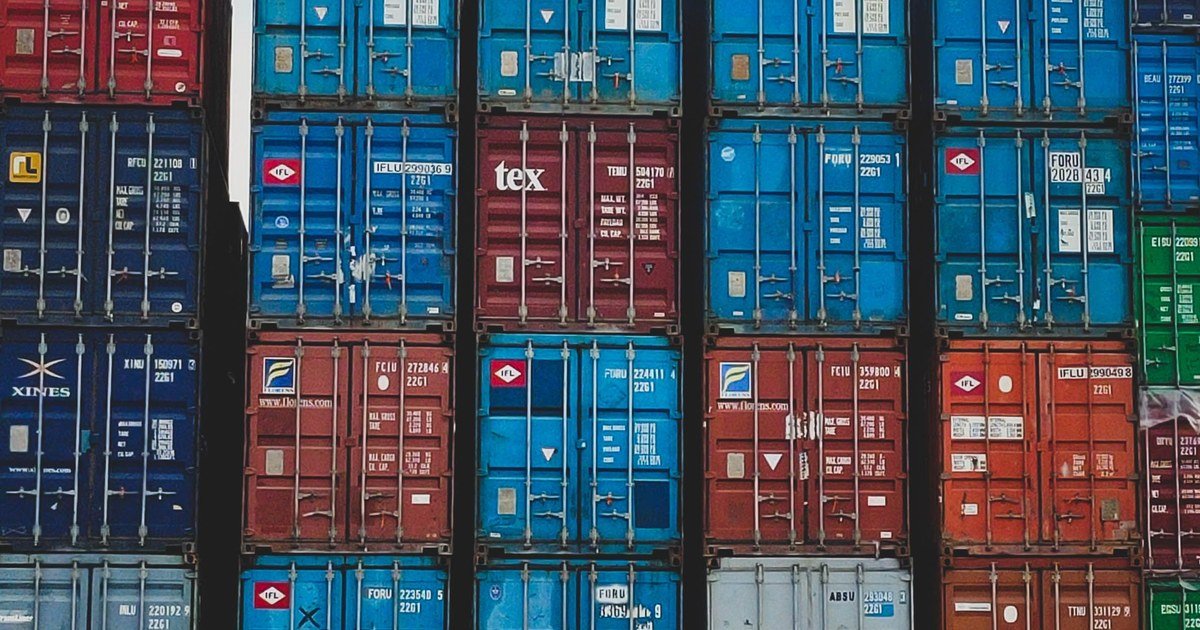
Goods lost in the warehouse. A container arriving 3 weeks late. The logistics party blaming "force majeure." The FDI enterprise caught in a broken supply chain — discovering its hastily signed logistics contract has no protective clause.
This article lists 8 key clauses for logistics and warehousing contracts, based on the Commercial Law 2005.
Table of contents
- 1. Service scope: define each stage
- 2. Liability for lost and damaged goods
- 3. Cargo insurance: who buys, how much
- 4. Delivery timelines and delay sanctions
- 5. Breach penalties: within the 8% cap
- 6. Damages and liability caps
- 7. Force majeure: definition and procedure
- 8. Dispute resolution
- Q&A
1. Service scope: define each stage {#s1}
Under Article 233 of the Commercial Law 2005, logistics services include: goods receipt, transport, warehousing, yard storage, customs procedures, other paperwork, customer consulting, packaging, marking, delivery, or other goods-related services.
The contract must list exactly what the logistics party performs. Why it matters: liability for goods loss (Article 237) attaches to "the course of service performance" — the vaguer the scope, the harder to resolve disputes over "which stage caused the loss."
2. Liability for lost and damaged goods {#s2}
The default rule at Article 237 of the Commercial Law: a logistics trader is liable for goods loss arising during service performance, except for exempted cases.
The contract should provide:
- Handover and counting procedures (the handover record is key evidence);
- Loss notification deadlines (e.g., within 24–48 hours of discovery);
- Loss assessment procedures (which independent assessor, who bears the cost);
- Specific exemption cases, consistent with Article 294.
3. Cargo insurance: who buys, how much {#s3}
The contract must specify:
- Which party must buy cargo insurance;
- The insurance type and minimum insured value (usually per the declared goods value);
- How losses exceeding the insured value are handled — who bears the difference;
- Notification and cooperation duties in insurance claims.
Note: insurance does not replace the logistics party's liability — these are two independent layers of protection.
4. Delivery timelines and delay sanctions {#s4}
For seasonal goods (production inputs, seasonal merchandise), delay means loss. The contract needs:
- Committed delivery timelines per leg (with reasonable buffers);
- Delay sanctions: per-day penalties, unilateral termination rights after X days of delay;
- A definition of "on-time delivery" (to the warehouse, or merely to the port?).
5. Breach penalties: within the 8% cap {#s5}
Under Articles 300–301 of the Commercial Law 2005: breach penalties are as agreed but not exceeding 8% of the value of the breached contractual obligation.
Drafting practice: set separate penalties per breach type (late delivery, lost goods, damage…) but keep the aggregate penalty for multiple breaches within 8% of the breached obligation's value. Excess penalty clauses risk partial invalidity.
6. Damages and liability caps {#s6}
Under Article 302 of the Commercial Law, damages include: actual, direct losses and direct profits the aggrieved party would have earned absent the breach.
Two points to negotiate:
- Liability cap: the logistics party typically seeks limits tied to freight value or per-kg — enterprises must assess whether the cap matches the goods' value;
- Consequential losses: are lost profits from supply chain disruption included — agree expressly.
7. Force majeure: definition and procedure {#s7}
Exemption cases under Article 294 include: force majeure events; breaches wholly caused by the other party's fault; decisions of competent state authorities.
A logistics contract should:
- List examples of force majeure relevant to the industry (storms, floods, pandemics, embargoes, port congestion…);
- Provide notice procedures (deadlines, form) and proof duties;
- Provide consequences: suspension, extension, or termination upon prolonged force majeure.
8. Dispute resolution {#s8}
Parties may agree: negotiation → mediation → arbitration or court. For FDI enterprises:
- Arbitration is often preferred: confidentiality, flexibility, cross-border enforceable awards;
- Specify: the arbitral institution, number of arbitrators, language, governing law;
- If choosing court: clearly identify the competent court.
—
Q&A {#faq}
Q: Which law governs logistics contracts?
A: Logistics services are commercial activities under Article 233 of the Commercial Law 2005. Logistics contracts are governed by the Commercial Law 2005 (logistics provisions in Section 4, Chapter V), the Civil Code 2015 on contracts generally, and specialized laws (maritime, aviation, road, customs) depending on the transport mode.
Q: Is the logistics party liable for lost or damaged goods?
A: Under the principle at Article 237 of the Commercial Law, a logistics trader is liable for goods loss arising during service performance, except for exempted cases. Exemption cases (force majeure, the other party's fault, state authority decisions) must be proven by the logistics party.
Q: What is the maximum breach penalty in a logistics contract?
A: Under Article 301 of the Commercial Law 2005, the penalty is as agreed but not exceeding 8% of the value of the breached contractual obligation. Penalty clauses exceeding this risk partial invalidity.
Q: Should the logistics party be required to buy cargo insurance?
A: Yes. The contract should specify: which party must buy insurance, the insurance type, the minimum insured value, and how losses exceeding the insured value are handled. Insurance does not replace the logistics party's liability, but it is the most practical financial protection.
Q: Where are logistics contract disputes resolved?
A: As agreed by the parties: negotiation, mediation, arbitration, or court. For FDI enterprises, arbitration (domestic or international) is often preferred for confidentiality and cross-border enforceability. The dispute resolution clause must be drafted clearly at signing.
—
This article is general legal information and does not replace legal advice for any specific matter.
Need a lawyer for logistics and warehousing contracts? Contact FLAT Law Firm — we help draft, review, and negotiate protective clauses for enterprises. Hotline: 0988424851.
<div class="jpv-language-links" lang="en"> Language versions: <a href="https://flaw.vn/hop-dong-logistics-kho-van/">Tiếng Việt</a> · <a href="https://flaw.vn/zh/wu-liu-cang-chu-he-tong/">中文</a> </div>