

Vietnam is an attractive FDI destination, but “arriving” differs from “operating”. Before committing capital, foreign investors should identify six groups of legal barriers when surveying the market — from sector access, land and sub-licences to ongoing compliance — updated to October 2026.
1. Sector market-access barriers

The first and highest barrier: does the planned sector admit foreign investors at all?
- 23 sectors not yet open to market access (Section A, Appendix I of Decree 96/2026/ND-CP, effective 31 March 2026): press, marine fishing, investigation-security services, judicial administration services, public postal services, transshipment/temporary import for re-export… — foreign investors may not invest in any form.
- Conditionally accessible sectors (Article 8 of the Law on Investment 2025): foreign-ownership caps under WTO/FTA commitments and sectoral laws; limits on investment form and scope.
- Absolutely prohibited sectors (Article 6): narcotics, firecrackers, debt-collection services, e-cigarettes/heated tobacco…
Common mistake: seeing a sector “open” on paper without checking the specific ownership cap — some services still limit foreign capital ratios, forcing the joint-venture route.
2. Land barriers
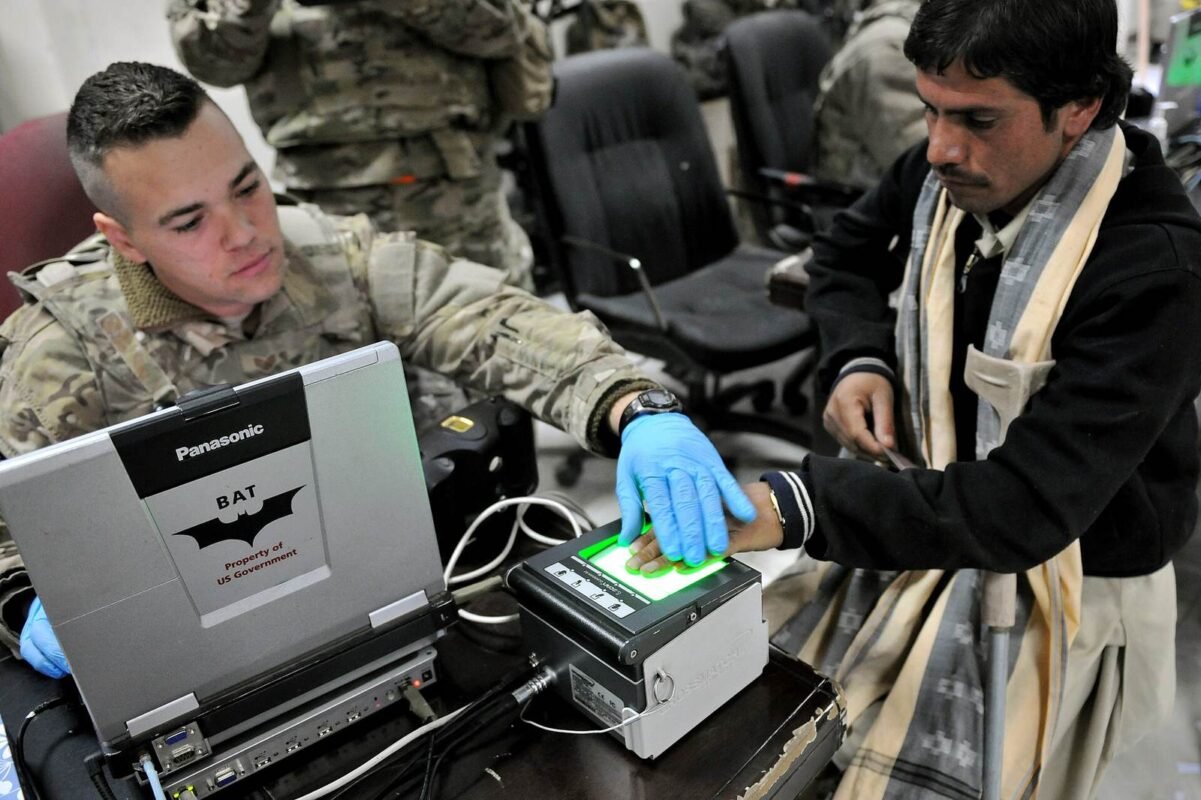
- No land ownership: land belongs to the entire people under unified State management — foreign investors may only lease land or obtain land-use rights within statutory limits.
- Scarce clean land banks: in many localities, ready-to-lease industrial/service land is dwindling; site clearance drags on and easily generates complaints that delay projects.
- Opaque planning: land-use planning information is sometimes incompletely published or not timely updated — making feasibility assessment difficult.
- Unsynchronised infrastructure: transport, power, water and logistics at some industrial parks outside key economic regions remain limited; high logistics costs hurt operating efficiency.
3. “Sub-licence” barriers
Obtaining the IRC and ERC does not mean immediate business. Each sector has its own specialised licences:
- Retail/distribution: goods-trading business licence + retail-outlet establishment licence. From 18 October 2026, Decree 342/2026/ND-CP takes effect: licensing authority rests with the provincial People’s Committee; the financial-plan requirement is removed but a 5-year business-plan explanation is still required; market-access conditions must be maintained throughout operations.
- Manufacturing: EIA/environmental registration, construction permits, fire-safety appraisal.
- F&B, education, healthcare: food safety, education/medical-practice licences…
Discovering a missing licence after leasing premises and hiring staff costs far more than screening upfront.
4. Administrative-procedure barriers

- Bilingual dossiers, consular legalisation: all foreign-issued documents must be consular-legalised and translated into Vietnamese with notarisation — taking 2-6 weeks if not prepared early.
- Multi-agency coordination: investment registration, business registration, tax, land and sectoral agencies — each with its own process and forms.
- Representatives, seals, capital accounts: opening the direct investment capital account and contributing capital on schedule through the prescribed account.
5. Ongoing-compliance barriers
Many investors “breathe easy” after licensing — but Vietnamese law demands continuous compliance:
- Periodic reporting (Article 47 of the Law on Investment 2025): quarterly and annually to the investment registration agency and statistics office on implemented capital, labour, budget contributions, environment…
- Mandatory annual audits for FDI enterprises; timely financial statements.
- Maintaining conditions: market-access and incentive conditions must be maintained — breaches can lead to project termination (Article 36).
- Tax and transfer pricing: timely filing and finalisation; associated enterprises must prepare related-party transaction documentation.
6. Legal-change barriers
Vietnam’s legal framework is in a phase of intense updating: the Law on Investment 2025 (effective 1 March 2026), Decree 96/2026, Decree 342/2026, the new Construction Law (effective 1 July 2026)… The law provides grandfathering for operating investors when rules change (Article 12 of the Law on Investment 2025; Article 17 of Decree 96/2026), but with limits: new legal entities, new projects, project acquisitions or added business lines must meet the new conditions.
7. Recommended market-survey roadmap
- Weeks 1-2: sector screening (4 layers: prohibition, market access, business conditions, additional conditions).
- Weeks 3-4: location survey: land bank, planning, infrastructure, local incentives.
- Month 2: compile the full licence inventory; estimate compliance cost + timelines.
- Month 3: prepare dossiers (consular legalisation, translation); negotiate location/partners.
- Ongoing: monitor legal changes affecting your sector.
For accompanied market surveys and legal-barrier assessments before committing capital, investors may contact us. See more in our Foreign Investment section.
Prepared and reviewed by the FLAW AI Legal Council — now submitted to the owner for approval prior to publication. This content is for reference only and does not constitute legal advice for any specific case.