
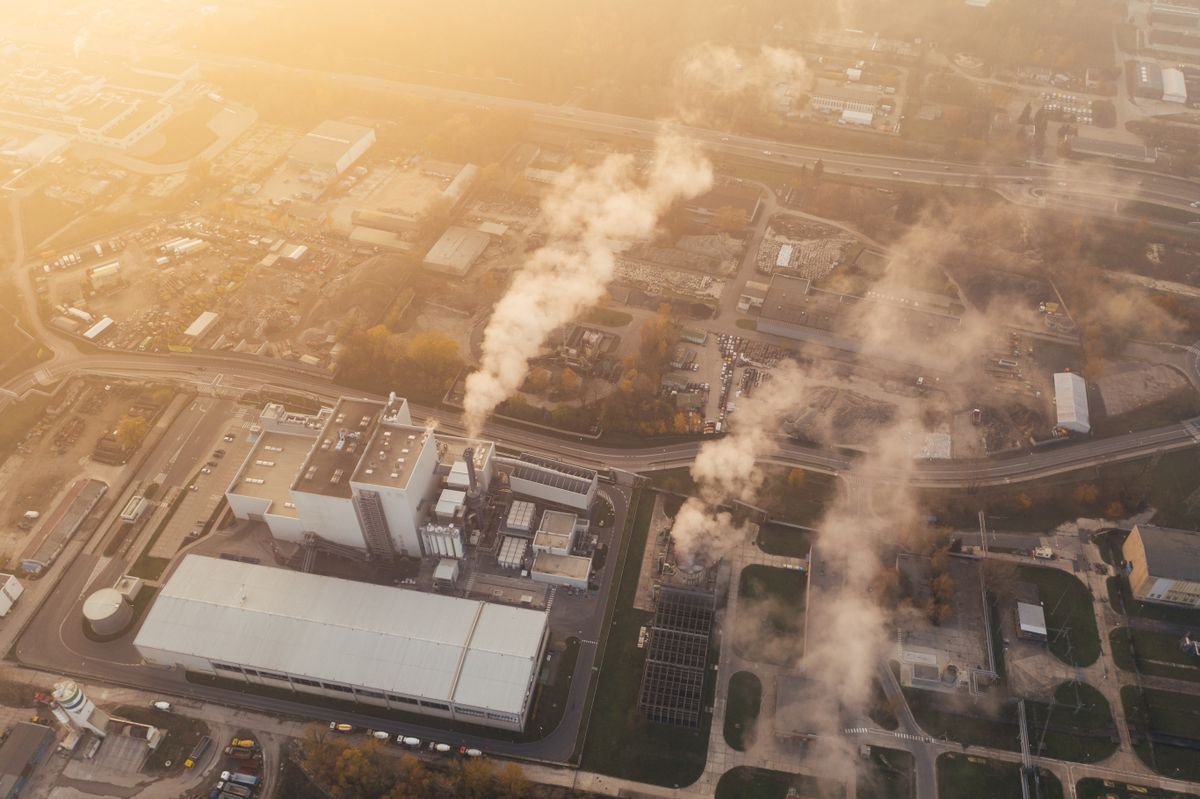
Dust, odors and wastewater from a neighboring factory spill onto your land and water — which door should residents knock on? The law gives citizens not one but three channels: reporting/denouncing for administrative handling; complaining against unlawful administrative decisions; and suing for damages.
This article guides residents to the right channel with the right evidence when affected by a neighboring facility’s pollution.
1. Channel 1 — Report/denounce: get the authorities to act
The fastest channel, and the one to start with:
- Where to file: the commune-level People’s Committee where pollution occurs (closest, receives directly); the Department of Agriculture and Environment; the local environmental hotline;
- Form: a written denunciation/report (with name, address, contents) or direct denunciation;
- Legal basis: the 2018 Law on Denunciations; People’s Committees at all levels handle environmental complaints and denunciations and sanction violations;
- Timeline: under administrative procedure, complaints, denunciations, petitions and reports are processed within 10 days of receipt.
Outcome: authorities inspect, impose administrative penalties (under Decree 45/2022/ND-CP) and order remediation — but this does not automatically bring compensation to residents.
2. Channel 2 — Complain: when an administrative decision is flawed
Complaints (under the 2011 Law on Complaints) apply when residents believe an administrative decision or act on environmental protection is unlawful, for example:
- A state agency licensed a polluting project without meeting conditions;
- The competent authority failed to handle a reported violation;
- The first-instance complaint/denunciation decision is unsatisfactory.
First-instance complaints go to the person who issued the administrative decision or the agency whose act is complained about. Distinguish clearly: denunciation reports violations by organizations/individuals; complaint challenges unlawful administrative decisions/acts.
3. Channel 3 — Sue for damages
When health or property damage exists (crops, livestock, houses, medical costs…), residents may file a civil lawsuit for compensation:
- Basis: Article 602 of the 2015 Civil Code — polluters must compensate, without needing to prove their fault;
- Special support: Clause 3, Article 131 of the 2020 Law on Environmental Protection lets victims authorize a state agency, organization or other individual to determine damage and claim compensation on their behalf;
- Process: negotiation → mediation → court proceedings.
These three channels are independent: residents need not wait for administrative handling to finish before suing — run them in parallel to both stop the pollution source and protect your rights.
4. Evidence to collect from the start
- Photos and videos of pollution scenes (timestamped);
- A log of pollution incidents (dates, times, manifestations);
- Meeting minutes, submitted petitions and official replies;
- Environmental monitoring results (where accessible);
- Medical records, remediation expense receipts, valuation of damaged property.
5. Frequently asked questions
Q: Is one affected household enough to complain or sue?
A: Yes — the right to claim compensation belongs to each damaged organization or individual; no “crowd” is required.
Q: Can residents still sue if the factory holds an environmental license?
A: Yes — a license is not an absolute shield; if the facility discharges beyond its licensed contents or causes actual damage, residents retain the right to claim.
Q: Are court fees payable when suing for damages?
A: Yes, under civil court fee rules; those in difficulty may apply for exemption or reduction as prescribed.
Is your family affected by a neighboring facility’s pollution? Contact us for advice.
This article was prepared by the FLAW AI Legal Council. Content is pending QA Council review before submission for approval; information is for reference only and does not replace legal advice for your specific case.