
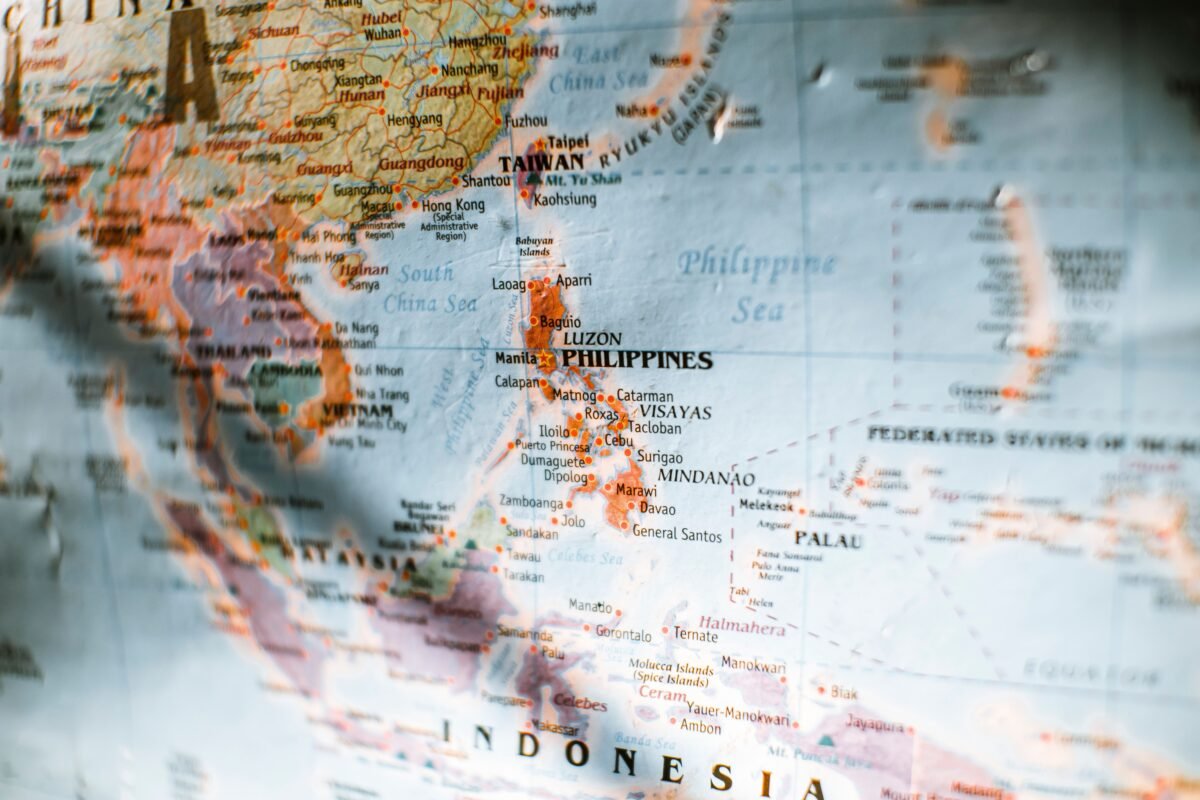
Footwear is leaving China — Vietnam, Indonesia and the Philippines are Southeast Asia’s top three contenders. Footwear is among the most labour-intensive industries: tens of thousands of workers per plant. This article compares them on footwear-specific criteria.
1. What does footwear need most? Industry criteria
- Labour: large numbers, dexterous hands, stability — criterion number one;
- Supply cluster: tanned leather, soles, trims, moulds — nearer is cheaper;
- Customers: where the Nike, Adidas… brands place orders;
- Incentives: tax and land for labour-intensive industries;
- Logistics: high-volume exports — near ports.
2. Vietnam: ASEAN’s number-one footwear hub
- Pro: Southeast Asia’s largest footwear cluster — thousands of plants and suppliers;
- Pro: dexterous workers with decades of footwear experience;
- Pro: major brands already have supply chains — orders waiting;
- Con: wages rising — not as cheap as a decade ago;
- Con: fierce hiring competition in the big clusters.
3. Indonesia: the waking giant
- Pro: ASEAN’s largest population — abundant labour;
- Pro: wages lower than Vietnam in many regions;
- Pro: a large domestic market — export plus local sales;
- Con: a weaker footwear supply cluster than Vietnam — trims must be imported;
- Con: more complex infrastructure and procedures.
4. The Philippines: the quiet contender
- Pro: good English among workers — easier management;
- Pro: competitive wages;
- Con: a small footwear cluster — few suppliers, little industry experience;
- Con: far from regional supply chains — pricier logistics;
- Fit: specialty segments — not mass production.
5. Comparison table
| Criterion | Vietnam | Indonesia | Philippines |
|---|---|---|---|
| Mass labour | Good | Excellent | Average |
| Footwear experience | Best | Average | Low |
| Supply cluster | Strongest | Average | Weak |
| Labour cost | Medium | Low | Low |
| Near big brands | Best | Average | Low |
6. Keeping the orders: the deciding factor
- Reality: big brands designate factories — buyer relationships matter more than location;
- Vietnam: buyers already have offices and QC on the ground — convenient;
- Indonesia/Philippines: relationships must be built from scratch — takes time;
- Certification: social-compliance audits — required in all three countries;
- Advice: ask your buyer where they want you — the most honest answer.
7. US tariff risk
- Principle: check current rates for footwear from each country — policies change;
- Origin: footwear origin rules — tariff-shift or RVC;
- Warning: no relabelling — origin fraud gets investigated;
- Diversification: brands demand genuine diversification — not paper relocation.
8. If you may pick only one
- Mass production needing a supply cluster: Vietnam — unrivalled in ASEAN;
- Labour cost is number one, plus domestic market: Indonesia;
- Specialty segments needing English: the Philippines;
- Smart play: Vietnam + Indonesia — strong cluster plus low cost.
9. Recommended roadmap
- Step 1: define the segment — athletic, fashion or safety;
- Step 2: ask the buyer — where do they want you;
- Step 3: survey the actual supply cluster — meet leather and sole suppliers;
- Step 4: compute 5-year total cost — wages, land, logistics;
- Step 5: check each country’s labour law with local counsel.
10. Decision checklist
- Footwear segment — athletic, fashion, safety?
- Key buyer — where are they, what do they want?
- Labour needs — how many workers?
- Supply cluster — close enough?
- Labour law — compared?
- US tariffs — current rates checked?
11. Leather and trims: the detailed supply chain
- Genuine leather: Vietnam has tanneries — but premium leather still comes from Italy, Brazil and China;
- Synthetics: PU and PVC — China and Taiwan are the main sources;
- Soles: rubber and EVA — Vietnam has large sole plants;
- Trims: laces, zippers, labels — trim clusters around HCMC and Dong Nai;
- Strategy: the more localised the trims, the more control — and the better the origin case.
12. Footwear labour: the specifics
- Skills: stitching and sole-attaching need 3–6 months training to master;
- Women workers: mostly female — suitable welfare policies;
- Turnover: labour-intensive means management keeps people;
- Seasonal overtime: seasonal orders — overtime within the law;
- Training: footwear vocational schools — training partnerships.
13. Social audits: mandatory for big brands
- What: Nike and Adidas audit plants — labour, environment, safety;
- Standards: working age, hours, wages — violations lose orders;
- Prepare: pass audits before negotiating orders;
- Periodic: annual audits — continuous compliance;
- Note: all three countries must comply — no exceptions.
14. Footwear machinery and moulds
- Lasts and moulds: shoe lasts define fit — mould-making capability matters;
- Machines: stitching, lasting and sole-press machines — mostly imported;
- Maintenance: local technicians for repairs — downtime is costly;
- Automation: cutting and stitching automation rising — labour-cost hedge;
- Investment: machinery is portable — relocatable if the site disappoints.
15. Quick answers
- Which country for Nike/Adidas orders? Vietnam — the buyers are already there;
- Cheapest labour? Indonesia in many regions — but check the supply cluster;
- Can we do R&D locally? Limited — design stays with brands or in China.
16. Environment: tanning and adhesives
- Issue: tanning and gluing — chemicals and wastewater;
- EIA: footwear plants need environmental assessment — wastewater treatment;
- Industrial parks: pick IPs with centralised treatment — less investment;
- Audits: big brands inspect environment — standards;
- Long term: vegetable-tanned leather and water-based glues — the green trend.
17. Startup costs: budgeting
- Factory: rent a ready-built factory — faster than building;
- Machines: stitching and sole-attaching machines — imported;
- Working capital: 3 months of materials — leather and sole inventory;
- Staffing: hiring thousands — recruitment and training costs;
- Total: a detailed budget — not estimates.
18. Final advice
- Ask the buyer first: where they want you — decides 50%;
- Clusters: footwear lives on clusters — don’t go solo;
- Audits: pass the social audit before negotiating orders;
- Long term: automation — hedging wage rises.
19. One-page decision
- Mass athletic/fashion: Vietnam — cluster, buyers, experience;
- Lowest cost: Indonesia — wages, domestic market;
- Specialty: Philippines — English, niche;
- Best of both: Vietnam + Indonesia — the common winning combo.
20. Sourcing strategy: the decision tree
- Map materials: list every input — leather, synthetics, soles, trims — with current sources;
- Localise: shift trims and soles local first — easiest wins;
- Dual-source: never single-source critical inputs — border jams happen;
- Origin math: local inputs improve the origin case for preferential tariffs;
- Review yearly: supply chains shift — revisit the map annually.
21. Working with buying offices
- Liaison offices: big brands run buying offices in HCMC — build relationships;
- Compliance: their code of conduct is law — read it fully;
- Capacity booking: reserve capacity early — good factories are booked out;
- Development: sample rooms — speed to sample wins orders;
- Trust: deliver on time, every time — reputation compounds.
22. Footwear’s future: automation and near-shoring
- Automation: robotic stitching and gluing — reducing labour dependence;
- Near-shoring: some brands reshore — but Asia still dominates;
- Sustainability: recycled materials — brand requirements;
- Vietnam’s edge: scale plus experience — hard to replicate;
- Act: enter now — clusters reward early movers.
23. Key contacts to line up
- Buying offices — brand liaison offices in HCMC;
- Material suppliers — leather, sole and trim sources;
- Audit firms — social-compliance auditors;
- Local counsel — labour and investment law.
Remember: in footwear, the cluster is the strategy — locate where the leather, soles, trims and buyers already are.
Contact us
FLAT Law Firm advises Chinese investors throughout the Vietnam investment cycle — from deal structuring and licensing to operations and compliance. Contact us for advice tailored to your project.
This article has been quality-reviewed by the FLAW AI Legal Council