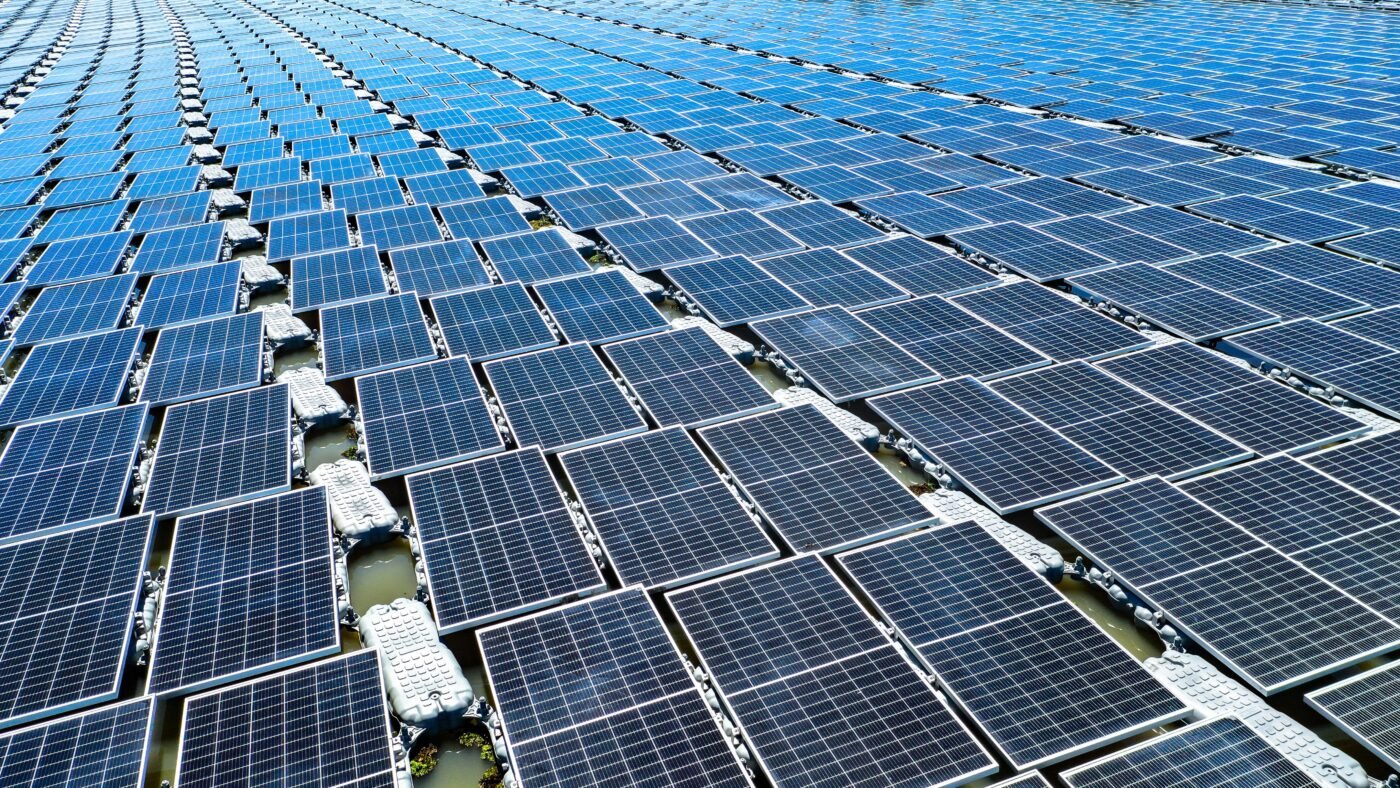
Solar panels are the hottest China+1 industry — and the riskiest on trade. The US has investigated anti-dumping circumvention for Southeast Asian-made panels. Vietnam, Malaysia, India — where to locate for both supply-chain proximity and barrier avoidance? This article analyses.
1. What do solar panels need? Industry criteria
- Supply chain: polysilicon → wafer → cell → module — the more integrated the better;
- Land and power: panel plants need large land and power — electricity price decides cost;
- Trade barriers: US AD/CVD duties — the existential criterion;
- Domestic policy: does the country have a domestic solar programme;
- Logistics: bulky modules — near ports and markets.
2. US trade risk: the Vina Solar lesson
- The case: the US Department of Commerce (DOC) finalised in 08/2023 — panels from Cambodia, Malaysia, Thailand and Vietnam circumvented AD/CVD duties on Chinese panels;
- Named: Vina Solar (LONGi’s) in Vietnam — alongside BYD, Trina and Canadian Solar;
- Consequence: Vina Solar was denied certification — US-bound goods face duties;
- Lesson: fake China+1 — merely assembling Chinese cells for US export — gets caught;
- Rule: the supply chain must be genuine — real value added in the plant’s country.
3. Vietnam: a ready solar cluster
- Pro: an existing solar cluster — many Chinese cell/module plants;
- Pro: near the Chinese supply chain — wafers, materials;
- Pro: competitive power and land prices;
- Con: the highest US-investigation risk — precedent exists;
- Con: US exports need genuine-origin proof — heavy documentation.
4. Malaysia: the balanced choice
- Pro: solar experience — also investigated but with a good ecosystem;
- Pro: stable infrastructure and legal system;
- Con: also under circumvention investigation — not immune;
- Con: higher costs than Vietnam;
- Fit: non-US markets — EU, domestic, Asia.
5. India: the giant domestic market
- Pro: a giant domestic solar programme — home demand;
- Pro: production-linked incentives (PLI) for solar;
- Pro: lower US-investigation risk — different supply chain;
- Con: far from the Chinese supply chain — pricier materials;
- Con: harder procedures and infrastructure than Southeast Asia.
6. Comparison table
| Criterion | Vietnam | Malaysia | India |
|---|---|---|---|
| Solar cluster | Strong | Average | Rising |
| Near China supply chain | Best | Average | Weak |
| US investigation risk | Highest | High | Lower |
| Domestic market | Small | Small | Huge |
| Cost | Low | Medium | Low–medium |
7. Genuine-origin strategy
- Rule: real value added in the producing country — not mere assembly;
- Vertical chain: the more stages (from wafer/cell) done locally, the safer;
- Records: trace material origins — batch by batch;
- Audits: ready for investigation — clean files from day one;
- Advice: US trade counsel — indispensable.
8. If you may pick only one
- US exports with a genuine chain: Vietnam — but invest deeply with proper files;
- Diversified markets, not US-dependent: Malaysia;
- Domestic market + PLI incentives: India;
- Avoid: the “token assembly” model anywhere — the Vina Solar lesson.
9. Recommended roadmap
- Step 1: define the market — US, EU, domestic or diversified;
- Step 2: design a genuine supply chain — how many stages local;
- Step 3: consult US trade counsel before investing;
- Step 4: pick the site by market + supply chain;
- Step 5: build the traceability system from day one.
10. Decision checklist
- Key market — US, EU or domestic?
- Supply chain — how many stages local?
- AD/CVD risk — assessed with US counsel?
- Traceability system — designed?
- Each country’s incentives — compared in writing?
- Plan B if investigated?
11. The polysilicon chain: who holds it?
- Reality: polysilicon is concentrated in China — the vertical chain is hard to split;
- Wafers: wafering — technology and scale;
- Cells: the high-tech step — deciding efficiency;
- Modules: assembly — the easiest, and easiest to dismiss as “token assembly”;
- Strategy: the deeper upstream you go, the safer against investigations.
12. Power for panel plants: the existential cost
- Power-hungry: polysilicon and wafer production devours electricity;
- Tariffs: compare industrial power prices across the three — big gaps;
- Stability: outages ruin production batches;
- Renewables: powering panel plants with solar — the ESG story;
- Contracts: negotiate long-term power prices with the utility.
13. Land for panel plants
- Area: panel plants need dozens of hectares;
- Location: near ports — modules for export;
- Environment: chemicals — thorough EIA, treatment zones;
- Expansion: keep reserve land — the industry grows fast;
- Legal: check the zoning — clean industrial land.
14. Technology transfer and IP
- Cell tech: TOPCon, HJT — licensed or in-house;
- Equipment: production lines from Chinese and German vendors;
- Engineers: Chinese engineers for commissioning — work permits;
- IP: process patents — registered in the producing country;
- Training: local engineers trained — technology stays.
15. Quick answers
- Safest for US exports? Genuine vertical integration anywhere — paperwork alone won’t do;
- Cheapest power? Compare current industrial tariffs — they change;
- India for exports? Mostly domestic — export logistics are harder.
16. Output markets: selling to whom?
- US: the biggest market — but the highest barriers;
- EU: EVFTA — preferences for Vietnamese panels;
- Domestic: India — huge home demand;
- Asia: Japan, Korea, Australia — diversified;
- Strategy: never depend on one market.
17. Financing the panel project
- Capital: panel plants are capital-heavy — hundreds of millions of USD;
- Incentives: tax holidays — negotiate with governments;
- Credit: green banks — preferential rates;
- Payback: model tariff scenarios — not optimistic ones;
- Risk: module prices swing — long-term contracts.
18. Final advice
- Market first: who you sell to — decides the location;
- Genuine chain: real value added — the Vina Solar lesson;
- US counsel: indispensable — from day one;
- Long term: technology changes fast — invest flexibly.
19. One-page decision
- US market, genuine chain: Vietnam — deep investment;
- Diversified markets: Malaysia — balanced;
- Domestic + PLI: India — home demand;
- Never: token assembly anywhere.
20. Workforce for panel plants
- Engineers: process engineers — scarce, train them;
- Operators: clean-room discipline — training matters;
- Chinese experts: commissioning teams — work permits planned;
- Safety: chemical handling — strict protocols;
- Retention: technical staff poached — retention packages.
21. Decommissioning and recycling
- End of life: panels last 25+ years — recycling is coming;
- Regulation: extended producer responsibility spreading;
- Opportunity: recycling businesses — the next wave;
- Design: design for recycling — future-proofing;
- Compliance: waste rules for production scrap — handle properly.
22. Policy risk: subsidies and trade
- Subsidies: US IRA and EU policies — reshaping demand;
- Local content: increasing requirements — plan ahead;
- Trade defence: more investigations coming — be ready;
- Diversify: multiple markets — never one;
- Monitor: policy changes quarterly — stay current.
23. The winning formula
- Genuine vertical integration — not assembly theatre;
- Documented origin — traceable batches;
- US counsel engaged — from day one;
- Diversified markets — US plus EU plus domestic.
24. Key contacts to line up
- US trade counsel — AD/CVD risk assessment;
- Power utility — long-term tariff negotiation;
- Equipment vendors — production lines;
- Local counsel — investment licensing and incentives.
Remember: genuine value added is the only durable defence — against AD/CVD investigations and against competition alike.
Start the US-counsel conversation before breaking ground, not after the first shipment.
Check industrial power tariffs yearly — they move, and for power-hungry processes the gap between countries can decide profitability.
Contact us
FLAT Law Firm advises Chinese investors throughout the Vietnam investment cycle — from deal structuring and licensing to operations and compliance. Contact us for advice tailored to your project.
This article has been quality-reviewed by the FLAW AI Legal Council