
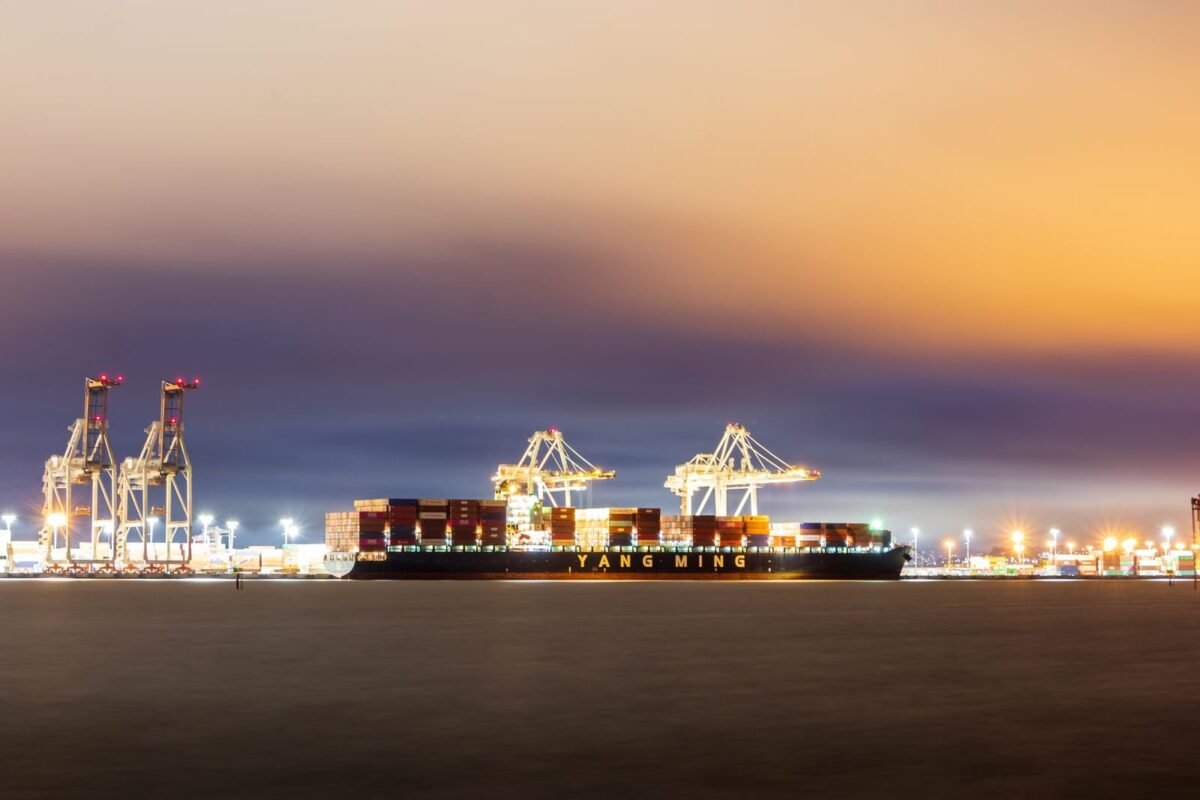
A container of Vietnamese textiles worth USD 180,000 arrives at Rotterdam. The Dutch buyer sends a terse email: “we reject the goods, quality non-conforming.” The cargo sits at the port, racking up demurrage and storage charges of thousands of euros per day — while the buyer goes silent. This is a familiar nightmare for Vietnamese exporters.
The bad news: you cannot force the buyer to take the goods. The good news: the law gives you a powerful toolkit to cut losses fast and claim damages later — if you act correctly in the first 72 hours.
Legal framework (in force as of 17 October 2026)
- Commercial Law 36/2005/QH11: sanctions for breach of goods sale contracts; Article 301 caps penalties at 8% of the breached obligation’s value; the aggrieved party’s duty to mitigate loss.
- Civil Code 91/2015/QH13: Article 419 (damages), Article 429 (3-year limitation period).
- Incoterms 2020 (ICC rules for the interpretation of trade terms): not national legislation, but the international trade usage referenced in most import-export contracts — it determines when risk passes (e.g., under FOB risk passes when the goods are placed on board; CIF/DAP have different points).
- UN Convention on Contracts for the International Sale of Goods 1980 (CISG): Vietnam is a member; applies when parties are in different member states and have not opted out.
The threshold question to answer immediately: has risk already passed to the buyer? — because that decides who bears port charges and who may dispose of the cargo.
The first 72 hours: 4 things to do now
1. Send a written objection demanding specific reasons. Do not accept a vague rejection email. Require the buyer to state the precise grounds (what defect, which standard was missed) and to produce an independent survey report. Under trade practice and most contract terms, rejection must be reasoned and timely — a bare refusal may itself constitute breach.
2. Commission an independent survey at the destination port. This evidence is decisive. If the survey shows the goods conform to the contract, the buyer’s “quality” argument collapses. If the goods are genuinely defective, you learn early enough to plan remediation instead of letting port charges pile up.
3. Notify the carrier/agent and request extended free time. Many carriers grant 7–14 days of free demurrage; negotiate an extension as soon as you learn of the dispute. At the same time, look for a nearby bonded warehouse to move the goods into — far cheaper than leaving the container at the port.
4. Preserve every document. Contract, L/C (if any), bill of lading, certificate of origin, pre-shipment inspection certificate, all email correspondence. Above all: documents proving the goods conformed at shipment — your shield against any quality allegation.
Your right to resell and mitigate (duty to mitigate loss)
This is the most powerful tool many exporters don’t know they have. When the buyer rejects the goods without basis, the seller may re-dispose of the cargo — sell to another buyer — to stop the bleeding, instead of letting it sit at the port “waiting” for a multi-year lawsuit.
The legal principle: the aggrieved party has a duty to mitigate loss — if you sit idle while port charges balloon and then bill the buyer for everything, a court or tribunal may cut the portion of loss you could reasonably have avoided. Conversely, reasonable resale costs (transport, storage, the shortfall if you sell below contract price) count as recoverable damages.
Smart practice: before reselling, send the buyer a final notice — stating you will sell the cargo after X days if they do not take delivery, and that all shortfalls plus costs will be claimed as damages. This notice is both procedurally correct and creates pressure that makes many buyers reconsider.
Claiming damages: what can you recover?
When the buyer wrongfully refuses the goods, you may claim:
- Price difference: contract price minus the actual resale price (if sold lower).
- Port, storage, and insurance charges incurred during the reasonable period of dealing with the cargo.
- Survey and legal costs of handling the dispute.
- Lost profit: e.g., you turned down another order to prioritize this production run — must be documented.
- Contractual penalty (capped at 8% under Article 301 of the Commercial Law) — note that penalty and damages may apply concurrently where the contract allows and proven loss exceeds the penalty.
Recovery path: negotiation → mediation → arbitration/litigation per the contract’s dispute-resolution clause. For cross-border disputes, arbitration (VIAC, SIAC, etc.) is usually more practical than suing in a foreign court.
Prevention lessons for the next contract
- Clear inspection clause: who inspects, against which standard, and how long after delivery the buyer loses the right to complain about quality. A “quality” rejection 3 months after arrival is hard to sustain if the contract sets a 15-day complaint window.
- Secure payment terms: irrevocable L/C or partial T/T in advance — don’t ship 100% of the goods before collecting payment from a new customer.
- Rejection-handling clause: pre-agree the resale right, storage-charge allocation, and independent-survey mechanism for quality disputes.
- Spell out Incoterms: avoid “when did risk pass” arguments by naming the term (FOB/CIF/DAP + named port + Incoterms 2020 version).
FAQ
1. The buyer rejected the goods without giving reasons. Can I treat that as breach?
In principle, yes — refusing to take delivery without reasonable grounds is a breach. But don’t just “treat it as” breach and sit still: send a written demand for reasons with a response deadline. That letter evidences that you gave them a chance to cure before taking further measures.
2. The cargo is stuck at a foreign port. Can I sell it to someone else?
Yes, within your right to re-dispose of the goods to mitigate loss when the buyer is in breach. Practical check: see who holds the bill of lading and the documentary right to dispose of the cargo. Consult local counsel on customs procedures for re-export or domestic sale of the lot.
3. Demurrage runs thousands of euros a day. Who pays?
The party at fault for the cargo sitting at the port. If the buyer wrongfully refused the goods, reasonably incurred port/storage charges are recoverable as damages. But remember the mitigation duty: move the goods out of the port as early as possible — you cannot let charges accumulate indefinitely and then bill everything.
4. The buyer claims non-conforming quality but provides no survey. What now?
Commission an independent survey immediately at the destination port (e.g., SGS, Bureau Veritas, or a mutually recognized surveyor). The result is the objective evidence that decides the case: conforming goods give you a solid damages claim; genuine defects mean you should pivot to remediation or price negotiation instead of litigation.
5. Where is it most practical to sue a foreign buyer?
It depends on the contract’s dispute-resolution clause. With an arbitration clause (VIAC, SIAC, etc.), arbitration is usually the most effective route since awards are widely enforceable under the 1958 New York Convention. Without one, you may sue in Vietnamese courts (if jurisdictional grounds exist) or in the buyer’s country — each option needs an enforceability assessment before you commit.
References
- Commercial Law No. 36/2005/QH11: breach sanctions, Art. 301 (8% penalty cap) — in force as of 17/10/2026.
- Civil Code No. 91/2015/QH13: Art. 419 (damages), Art. 429 (3-year limitation) — in force as of 17/10/2026.
- Incoterms 2020 (International Chamber of Commerce): rules for interpreting trade terms.
- UN Convention on Contracts for the International Sale of Goods 1980 (CISG) — Vietnam is a member.
- New York Convention 1958 on recognition and enforcement of foreign arbitral awards.
Related articles
- Buying Assets From Bankruptcy Proceedings in Vietnam: Auctions and Legal Risks
- Wage Debts in Vietnamese Bankruptcy: Priority and Protection
- Petitioning for Debtor Bankruptcy in Vietnam: Conditions and Dossier
- Writing Off Tax Debts for Bankrupt Companies in Vietnam: Conditions
- Calling Bank Guarantees for Debt Recovery in Vietnam
This legal analysis has been verified against current Vietnamese regulations and cross-border FDI transaction practices by the attorneys at FLAT LAW FIRM.

