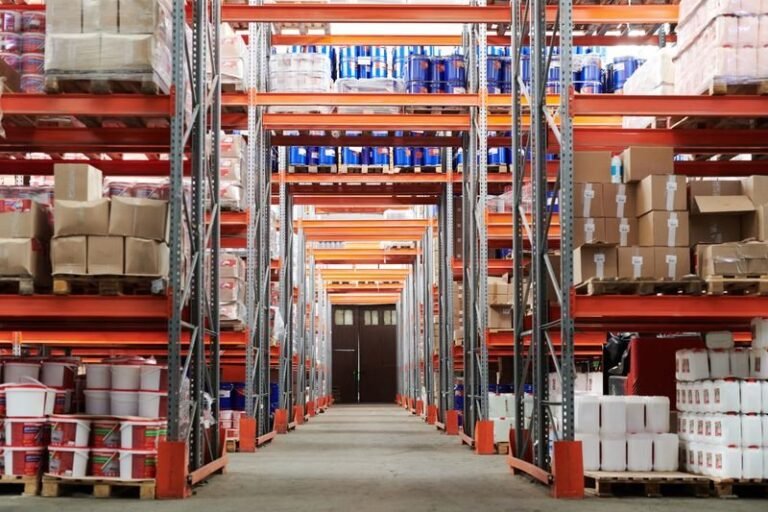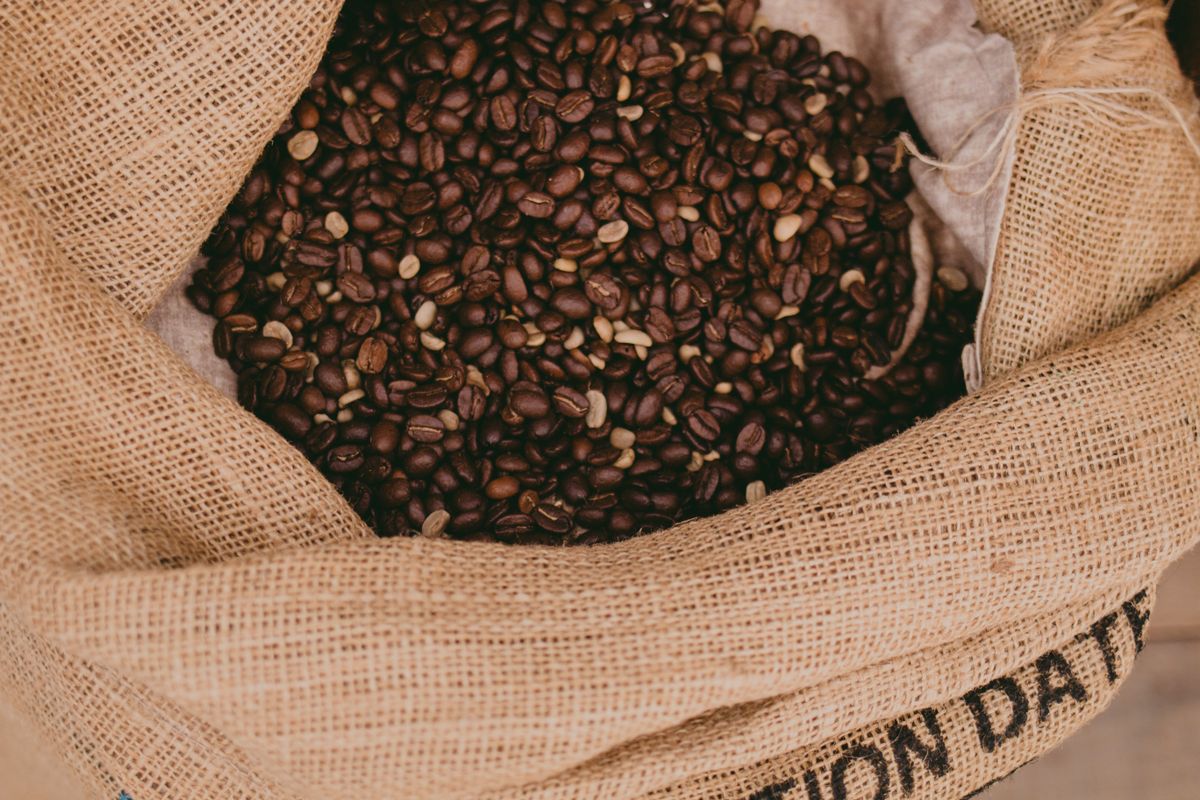
Image: Sack of coffee beans ready for export — Source: Pexels, by Maria Tyutina (Pexels License).
Preferential tariffs do not end at the border
Many exporters treat customs clearance as the finish line for preferential treatment. Under the EU–Vietnam Free Trade Agreement (EVFTA, in force since 1 August 2020), it is not. EU customs authorities are entitled to request verification of origin after goods have been released — months or even years later — through the administrative cooperation mechanism in Protocol 1 on rules of origin.
When a verification request lands, the question is brutally simple: can you prove, with documents, that your coffee or processed agricultural products actually qualified as originating? If the answer is no, the EU importer loses the preference, faces back duties at MFN rates plus possible penalties — and in practice, looks to the Vietnamese exporter to foot the bill under the sales contract.
How a verification request travels
The process runs state-to-state: the customs authority of the importing EU member state sends a verification request to the competent authority in Vietnam, which examines the exporter’s records and replies with its findings. Exporters rarely deal with EU customs directly; they deal with the Vietnamese authority asking for their files.
The commercial sting is indirect but real. The legal consequence of an adverse finding falls on the EU importer (denial of preference, recovery of duties). Yet almost every supply contract pushes that cost back onto the exporter through tax-reimbursement or indemnity clauses. Your origin dossier is therefore not just a customs formality — it is your commercial shield.
The domestic rulebook changed on 10 May 2026
A development many exporters have missed: Circular No. 14/2026/TT-BCT of the Ministry of Industry and Trade, dated 25 March 2026, now governs rules of origin under the EVFTA. Effective 10 May 2026, it repeals Circular No. 11/2020/TT-BCT and Circular No. 41/2022/TT-BCT. Any internal procedure, template, or checklist still citing Circular 11/2020 needs to be updated.
Circular 14/2026 covers the full architecture: wholly obtained and non-wholly obtained goods, tolerance (de minimis) limits, cumulation, proofs of origin (EUR.1 certificates and exporter self-certification), and the certification and verification procedures carried out under Decree No. 31/2018/ND-CP.
Building a verification-ready dossier
For green coffee, the applicable criterion is normally wholly obtained (grown and harvested in Vietnam). For processed products — instant coffee, dried vegetables, juices — the product-specific rule in Annex II of Circular 14/2026 must be checked against the exact HS code. Either way, the dossier per consignment should contain:
Origin of raw materials. Purchase contracts and invoices for green coffee or farm produce, warehouse receipts, and — for cultivated crops — information on growing regions and harvest seasons. Where buying through intermediaries, keep an unbroken documentary chain from grower to exporter.
Production records. Bills of materials per product unit, batch production slips, and processing logs (roasting, drying, packing). For processed goods, these records prove that processing in Vietnam went beyond minimal operations.
Proofs of origin issued. Retained copies of EUR.1 certificates or of the commercial documents bearing the self-certification statement, together with records of the exporter’s status (approved exporter or registered exporter).
Commercial and transport documents. Sales contracts, commercial invoices, bills of lading, and export customs declarations — establishing the consignment’s continuity from warehouse to EU port.
Systematic archiving. Keep the complete file per consignment for at least three years, retrievable within days of a verification request. Scattered, incomplete records are the most common reason exporters “had originating goods but could not prove it.”
Fix the contract before the audit comes
Negotiate the origin-risk allocation in your sales contracts now:
- Who must supply origin documentation, and within what deadline after a verification request;
- How costs are shared if a preference is denied because of the exporter’s documentation — rather than a blanket reimbursement clause;
- The exporter’s right to participate in explanations to the Vietnamese competent authority during verification.
A balanced clause costs nothing to draft and can save a customer relationship when duties are recovered.
Conclusion
Origin verification is a normal feature of preferential trade under the EVFTA, not an emergency. Vietnamese coffee and processed agricultural exporters keep their tariff advantage only when their traceability files are complete, consistent, and ready for inspection at any time. With Circular 14/2026/TT-BCT replacing Circular 11/2020/TT-BCT since 10 May 2026, reviewing the entire internal origin-compliance process is urgent — before EU customs comes knocking.
Frequently asked questions
How long after clearance can EU customs request verification?
The administrative cooperation mechanism in EVFTA Protocol 1 allows post-clearance verification. Exporters should assume the duty to prove origin lasts for years after delivery, which is why long-term archiving is a practical necessity.
Which origin criterion applies to Vietnamese green coffee?
Normally the wholly-obtained criterion, since the coffee is grown and harvested in Vietnam. The exporter must still evidence cultivation origin through purchasing records — a mere declaration is not enough.
How is origin determined for processed agricultural products?
By checking the product-specific rule in Annex II of Circular 14/2026/TT-BCT for the exact HS code, supported by bills of materials and production process records demonstrating the applicable criterion is met.
Is Circular 11/2020/TT-BCT still in force?
No. Circular 14/2026/TT-BCT (effective 10 May 2026) repealed Circular 11/2020/TT-BCT and Circular 41/2022/TT-BCT. Businesses should update all internal procedures citing the old circular.
What happens if origin cannot be proven?
The EU importer is denied EVFTA preference, faces MFN duty recovery and possible penalties. Commercially, Vietnamese exporters usually bear these costs under contract terms — or lose the customer.
This article has been quality-reviewed by the FLAW AI Legal Council
Related articles
- UKVFTA Compliance Health-Check: A Self-Audit for UK-Bound Exporters
- Clearing CFIUS Review: What Vietnamese Investors Buying US Companies Must Know About FIRRMA
- Forming a Company in Vietnam or France: 1-Euro SAS vs 'Zero-Dong' LLC
- EU Packaging Rules (PPWR): Vietnamese Goods Entering the EU Need a Packaging Makeover
- Repatriating Profits from Vietnam to the US: No DTA, GILTI, and the Third-Country Bridge