Wood-dust explosions are the most characteristic and dangerous accidents in wood processing: fine airborne wood dust at certain concentrations ignites explosively on encountering sparks or heat — with fatal accidents and destroyed workshops on record. The Fire Law 55/2024/QH15 classifies wood workshops as high fire-and-explosion-risk facilities with special management requirements. This article systematizes wood-dust explosion prevention.
When wood-dust explosions happen
Explosions need three simultaneous factors: fine airborne dust at explosive concentration, an ignition source (electrical sparks, welding, smoking, hot friction), and confined or semi-confined space (workshops, dust ducting). Removing any one factor prevents explosion — all prevention measures target eliminating at least one of the three.
Dust concentration control: the most important measure
- Source extraction for every dust-generating machine; ducting with anti-flashback valves.
- Daily housekeeping: sweep and vacuum floors, roofs, equipment and cable trays — no thick dust layers.
- Maintain extraction and filtration routinely; torn filter bags release dust into the workshop.
- Periodic dust concentration measurement; stop machines and act immediately on over-limit readings.
Explosion-proof equipment and ignition control
- Fine wood-dust zones (filter rooms, dust silos) use explosion-proof electrics; extraction systems have explosion protection (explosion vents, flameless venting).
- Grounding and static protection for ducting and equipment — static sparks commonly ignite dust.
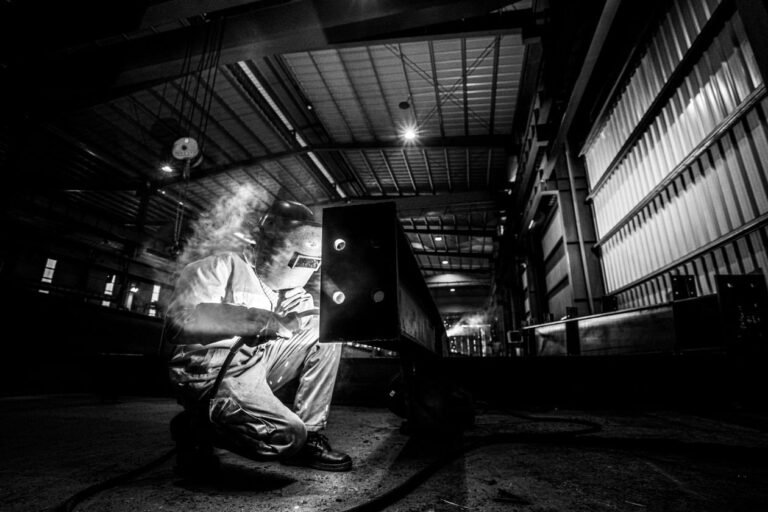
- Strict no-smoking and no-open-flame rules; welding with fire precautions and supervision.
- Separate ventilated sawdust storage with temperature control — piled sawdust can self-ignite.
Suppression and evacuation
Wood workshops need suitable alarm and suppression systems: hydrants, extinguishers, and consider sprinklers for high-risk zones. Evacuation routes must be ample, clear and signed — escape time in dust explosions is measured in seconds. The facility fire plan needs a dedicated dust-explosion scenario with periodic drills.
Facility head liability
Under the Fire Law 55/2024/QH15, the facility head organizes fire prevention. For dust-explosion risk, this covers maintaining extraction, explosion-proof equipment and cleaning procedures — dust explosions from neglected management can bring criminal liability when fatal.
Coordinating with the local fire department
Invite the local fire prevention police for an annual walkthrough of dust zones: they identify blind spots the factory team misses and their recommendations carry weight in later inspections. Share the dust-explosion response plan with them so rescue forces know the layout, water supply points and muster areas before an incident. Factories with a cooperative relationship get faster emergency response and more constructive inspection findings than those the fire department meets for the first time during an accident.
Frequently asked questions
1. Can coarse wood dust explode?
The main risk comes from fine airborne dust; coarse dust is less explosive but still flammable and adds fuel load. Both must be collected and cleaned.
2. Can extraction systems themselves explode?
Yes, if badly designed: duct dust buildup, fan sparks or static can detonate ducting. Use explosion-proof equipment, anti-flashback valves and full grounding.
3. Are outdoor sawdust piles dangerous?
Yes. Large piled sawdust can self-ignite from decomposition heat; keep piles away from workshops with fire precautions, not too high or too long.
4. How often to drill dust-explosion scenarios?
Per fire drill regulations and the facility plan; drill dust explosions separately as response differs from ordinary fires (prioritize evacuation, no high-pressure water into spreading dust fires).
5. Do wood workshops need fire design appraisal?
Yes. Wood processing workshops require fire design appraisal; dossiers must show dust-explosion prevention (extraction, explosion-proofing, fire compartmentation).
This article has been quality-reviewed by the FLAW AI Legal Council.