
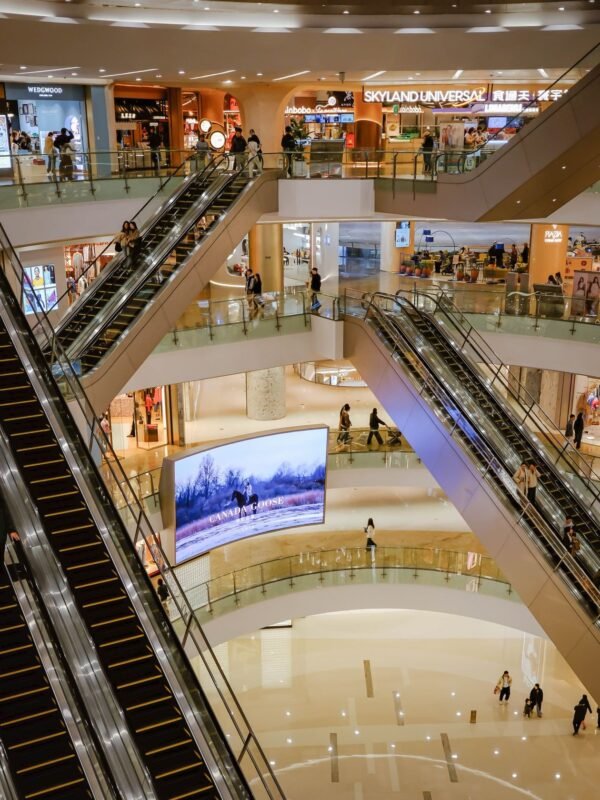
Why malls make you stay open even with no customers
Most mall unit leases carry a “continuous operation” clause: the tenant must trade continuously throughout mall hours, including dead periods. It sounds unreasonable to tenants — but to the mall owner, a shuttered unit is a rotten tooth spoiling the row, cutting common foot traffic and hurting neighboring units.
Breach is usually punished hard: daily penalties per closed day plus damages (the owner proving the closure cut overall revenue). Some contracts even grant termination rights after a set number of closed days.
Exceptions commonly accepted
Standard clauses list exceptions: force majeure (natural disasters, epidemics, administrative orders), emergency repairs (with prior notice and day caps), public holidays as regulated. Negotiation practice often adds: annual fit-out/renovation windows (3–5 days), and business-model restructuring with 60–90 days’ prior notice.
The key when negotiating a new lease: don’t try to delete the clause (mall owners almost never agree) — widen the exception list and cut the penalty to reasonable levels, and spell out the notice procedure for closures.
Being penalized for closure: how to handle
1. Check whether your closure fell within an exception (and whether you gave proper notice). 2. If the penalty dwarfs actual loss, ask the court/arbitration to reduce it under contract law. 3. Negotiate flexibility: shorter hours in dead periods instead of full closure — many malls accept this when you prove operating costs exceed revenue in those hours.
Frequently asked questions
Closed 1–2 days for repairs — penalized?
Not if the contract excepts repairs and you gave proper notice. Closing without notice still counts as breach — procedure matters as much as reason.
What are typical closure penalties?
Market practice: daily penalties of 1–3x daily rent, plus damages if the owner proves them. The exact figure is contractual — bargain it at signing.
Can operating losses justify closure?
No — losses are neither force majeure nor a standard exception. To close for losses, negotiate early termination or assignment of the unit.
Can the mall owner open my unit themselves?
They may not interfere with your leased unit on their own. All measures follow the agreement or an effective judgment.
Do markets/supermarkets have similar clauses?
Yes, in similar forms in stall/kiosk leases. Same handling principles: read the exceptions closely, follow notice procedures.
Related articles
- Construction permits 2026: which cases are exempt under the new Law?
- Transitional provisions of the Construction Law 2025: which law applies to ongoing projects?
- Contractor capacity certificates under Decree 212/2026
- Individual construction practice certificates 2026: grades, fields and issuance procedures
- Vietnam's Land Law 2024: 10 key changes affecting citizens and businesses
This legal analysis has been verified against current Vietnamese regulations and cross-border FDI transaction practices by the attorneys at FLAT LAW FIRM.

