
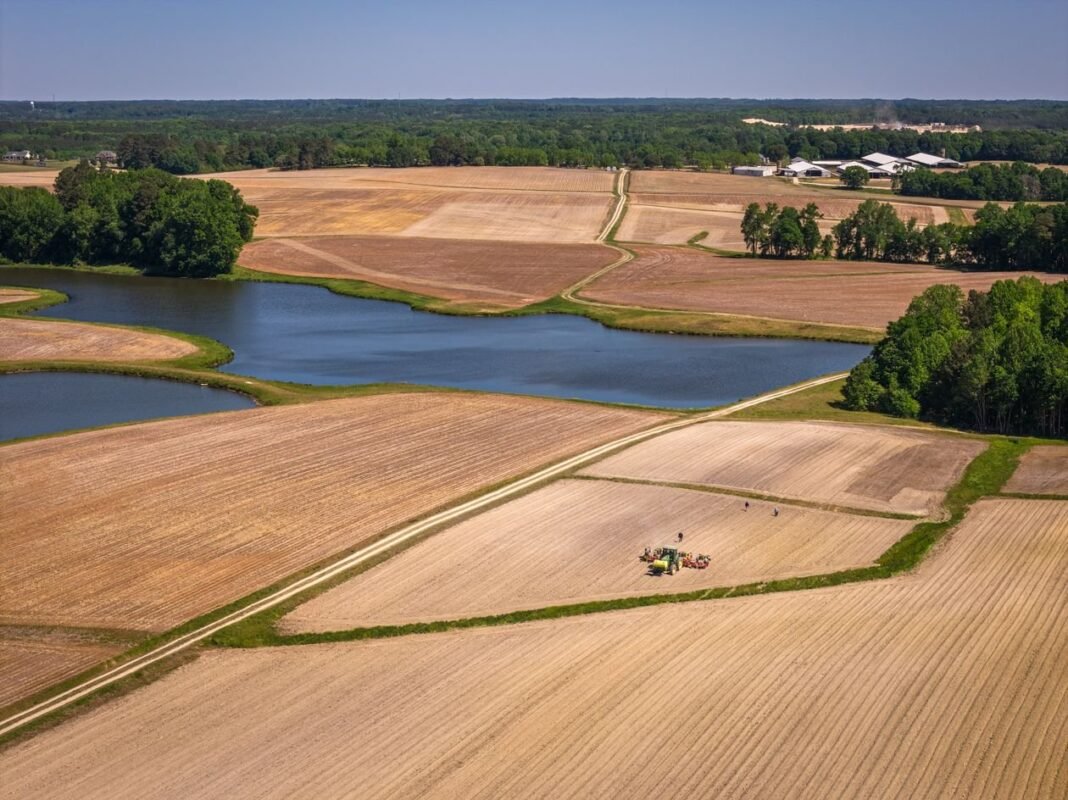
Holding farmland does not mean you can convert it
Many investors assemble cheap farmland around industrial parks, planning: convert to industrial use, build the factory, save half the park rent. The math only works where the plot meets three preconditions — and in practice many plots do not.
The 2024 Land Law provides: converting agricultural land to non-agricultural (industrial) use requires permission from the competent state authority, must conform to approved land use planning and plans, and the user must perform financial obligations (pay land use fees at conversion-time land prices).
Three preconditions
1. Planning allows it: the plot must sit in a planned industrial/cluster zone under the district land use plan and construction planning. Farmland outside industrial planning will see its conversion application refused — there is no “special favor” exception.
2. Annual land use plan: even where planning allows, conversion must appear in the approved district annual land use plan. This second gate stalls many files.
3. Financial obligations: the land use fee on conversion equals industrial land price minus agricultural land price (per the land price table/specific price at permission time). Near industrial parks this gap can be huge — budget it before buying farmland.
Procedure and common traps
Procedure: file the conversion application with the land authority → planning/plan appraisal → permission decision → pay land use fee → re-issued certificate with the new purpose → investment/construction procedures (IRC, building permit, environment, fire safety).
Biggest trap: buying farmland before conversion is certain. Many investors buy first, apply later, get refused, and sit on useless farmland. Rule: sign conditional deposit/purchase contracts — full payment only upon the conversion permission decision. Second trap: farmland under lease/sub-lease or with neighbor boundary disputes — resolve cleanly before filing.
Frequently asked questions
Can foreigners buy farmland to convert it?
Foreign organizations and individuals may not receive agricultural land use rights from domestic households/individuals like Vietnamese can. Foreign investors typically access industrial land by leasing in parks/clusters or from domestic economic organizations.
How long does conversion take?
Varies by locality and file completeness — typically 3–6 months where planning and plans align. If planning must be adjusted, it can drag for years — hence check planning before buying.
How is the land use fee computed?
Per land prices at permission time (price table or provincial specific price): the gap between new-purpose and old-purpose prices times the area. Get a land-price consultant’s estimate before deciding.
Can rice land convert to industrial use?
Paddy land is the most strictly protected farmland; conversion faces tighter conditions and may need specialist agency opinions. Check carefully before depositing.
Is a new certificate issued after conversion?
Yes — the land registration office re-issues the certificate with the new purpose and term. The new certificate anchors subsequent investment procedures.
Related articles
- Land Use Right Auction vs Investor Selection Bidding in Vietnam: Which Route Should Investors Take?
- Foreign Organizations Owning Homes in Vietnam 2026: Legal Framework and Proposed Amendments
- Social Housing for Industrial Park Workers in 2026: New Eligibility and Benefits
- Land Recovery and Compensation in Vietnam 2026: Key Changes under Resolution 254/2025
- Vietnam New Land Price Table 2026: Impact on Land Rental for FDI Projects
This legal analysis has been verified against current Vietnamese regulations and cross-border FDI transaction practices by the attorneys at FLAT LAW FIRM.

