
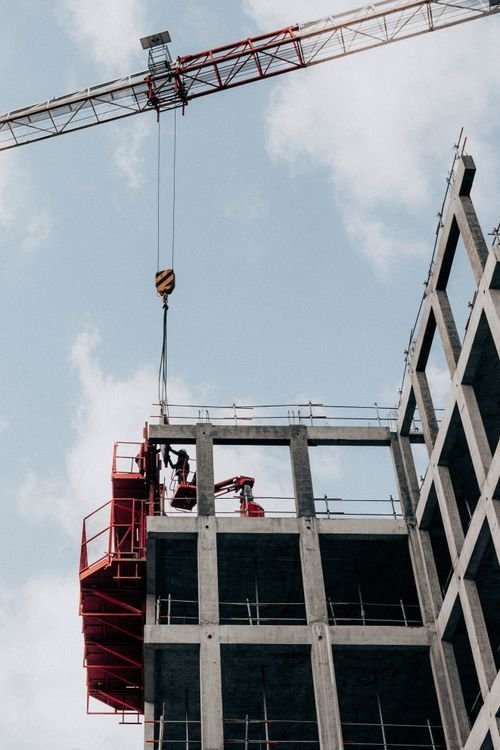
Scenario: the electronics plant doubles its capacity, adding a plating line and a new 5,000 m² workshop on land already leased. The expansion environmental dossier? The director assumes the old EIA “covers it” since it’s the same site. Then the Department’s notice arrives: the expansion requires a new environmental impact assessment report — and the new line must stop until the appraisal is approved. Is the authority overreaching?
No — expansion that increases environmental impact triggers a new EIA
The 2020 Law on Environmental Protection is explicit. Article 30 lists projects subject to environmental impact assessment, including expansions that change scale, capacity or technology. Article 44(3) adds the trigger: where a project changes in scale, capacity or technology increasing adverse environmental impact, the owner must carry out procedures for re-issuance of the environmental permit — detailed in Article 30 of Decree 08/2022/ND-CP.
The legal logic is straightforward: the old EIA assessed the old scale, the old technology and the old waste streams. A new plating line means new hazardous wastewater, new sludge, new chemical risks — none of which the old report assessed. “Same site” is irrelevant; what matters is whether the environmental impact profile has changed.
The correct sequence — and where plants usually go wrong
Step 1 — screen before building. Before breaking ground, compare the expansion against the EIA-trigger list (scale thresholds, capacity, technology changes). If it trips the threshold, the EIA report must be prepared and appraised before construction — not after the line is running.
Step 2 — prepare and appraise the EIA report. The report must assess the additional impact of the expansion on top of existing operations, plus cumulative impact. The appraisal council’s approval is the legal gateway; construction or operation before approval draws administrative sanctions under Decree 45/2022/ND-CP and can trigger suspension.
Step 3 — re-issue the environmental permit. After EIA approval, the project’s environmental permit must be re-issued to reflect the new scale, new waste streams and new treatment works (Article 44). Operating the expanded line on the old permit is operating beyond the permit’s scope — a standalone violation.
The classic mistake: treating environmental procedures as paperwork to “complete later” while the line runs. Regulators treat it in reverse — no EIA approval, no lawful operation of the new line, full stop.
The cost comparison directors should see
A new EIA for an expansion typically costs a few hundred million dong and 3–6 months. Operating without one risks: administrative fines in the hundreds of millions, suspension of the new line (idle capital, broken delivery contracts), and — worst — a pollution incident on an unassessed line, where the absence of an EIA becomes evidence of deliberate disregard. The EIA is not red tape; it is the cheapest insurance a plant expansion can buy.
Related articles
- A Complete IRC Dossier: Cover, Index and Organization
- Balance Confirmation for Individual Foreign Investors
- ID Documents of Vietnamese Co-Investors
- Power of Attorney for Filing: Template for Foreigners
- Company Charter: 10 Clauses Foreign Investors Often Omit
This legal analysis has been verified against current Vietnamese regulations and cross-border FDI transaction practices by the attorneys at FLAT LAW FIRM.

