
Power Purchase Agreements (PPA) for Industrial Parks: A Handbook
For manufacturers in industrial parks, electricity often runs 5–15% of product cost — higher still in power-intensive sectors like dyeing, plastics and electronic components. With retail tariffs adjusting along a market roadmap and major export markets (EU, US) demanding carbon-footprint proof, the power purchase agreement (PPA) is no longer an administrative form signed with the local power company — it has become a cost-management tool and a sustainability strategy.
This handbook maps the power-buying models available to industrial-park enterprises under current Vietnamese law, the governing legal framework, and the ten key clauses to negotiate in every PPA. It focuses on signing and contract structuring; disputes arising from PPAs are covered in a separate article.
Contents
- 1. Why industrial-park enterprises should care about PPAs
- 2. Four power-buying models for industrial-park enterprises
- 3. Current legal framework: the 2024 Electricity Law and guiding decrees
- 4. Direct power purchase via a private connection grid
- 5. Direct power purchase via the national grid
- 6. Rooftop solar in industrial parks: self-production, self-consumption
- 7. Ten key clauses in every PPA
- 8. Five common risks and how to prevent them
- 9. Frequently asked questions
- 10. When to bring a lawyer into PPA negotiations
- References
1. Why industrial-park enterprises should care about PPAs
Three forces make PPAs a hot topic in industrial parks. First, cost: retail tariffs rise on schedule while processing margins thin — a long-term fixed-price PPA locks electricity costs for 10–20 years, making product costing predictable. Second, global supply-chain demands: major brands require suppliers to prove renewable-energy shares (via renewable energy certificates — RECs), and DPPA is the most direct route. Third, energy security: industrial parks have lived through rotational cuts in dry seasons; enterprises with own sources (rooftop solar, direct PPA) cut interruption risk.
2. Four power-buying models for industrial-park enterprises
Model 1: Buy from a distribution/retail power unit. The traditional, most common model: the enterprise signs with the local Power Company (under EVN) or a licensed retailer operating in the park. Prices follow state-regulated retail tariffs. Simple procedures, no complex negotiation; downsides are passive pricing and no green certificates.
Model 2: DPPA via a private connection grid. The enterprise signs directly with a renewable generator; power flows over a dedicated private grid between them. The most commercially flexible DPPA form.
Model 3: DPPA via the national grid. The generator sells all output on the spot market; the enterprise signs a forward electricity contract with the generator to fix the price spread, plus a power purchase contract with the Power Corporation/Company for all physical needs. No private line investment, but a more complex three-party contract structure.
Model 4: Self-consumption rooftop solar. The enterprise invests in rooftop systems for internal use, cutting grid purchases. Not a PPA in the purchase sense, but a direct competitor in energy management — often combined into one overall strategy.
3. Current legal framework: the 2024 Electricity Law and guiding decrees
Electricity Law No. 61/2024/QH15, effective 01/02/2025, is the framework law for all electricity activities and Vietnam's power market, replacing the 2004 Electricity Law and amendments. It founds the competitive power market with generation, wholesale and (roadmapped) competitive retail levels.
The key text for industrial-park enterprises is Decree 57/2025/ND-CP dated 03/03/2025 on direct power purchase (DPPA) between renewable generators and large consumers. Its Article 4 establishes the two DPPA forms in section 2. The Decree also allocates responsibilities for compliance with power development planning, provincial planning, land-use plans, electricity licences, electrical safety, construction, environment and fire prevention. Note it has been amended by Decree 243/2026/ND-CP — use the latest consolidated version before proceeding.
For rooftop solar, Decree 58/2025/ND-CP dated 03/03/2025 governs self-consumption rooftop solar development. Large-consumer thresholds sit in Circular 29/2026/TT-BCT of the Ministry of Industry and Trade: from 20,000 kWh/month for the private-grid form, and from 200,000 kWh/month for the national-grid form (verify the original text before applying).
Model power purchase contracts per generation type (grid-connected solar, wind, biomass…) issued by the Ministry of Industry and Trade remain mandatory references when negotiating with generators — ask the seller for the latest template in use.
4. Direct power purchase via a private connection grid
The legally "cleanest" DPPA form: the renewable generator and the large consumer sign a bilateral PPA; power is delivered directly over a private grid between them, bypassing the national grid.
The biggest advantage is commercial freedom: price, committed volumes, term and adjustment mechanisms are all negotiated, subject to law. Parties may add whatever clarifies rights and duties. For industrial-park enterprises, this fits especially well where the plant (e.g. a solar farm, wind farm) sits near the park and a private line is affordable.
The precondition is full legal compliance on both sides: the generator needs a project consistent with national power development planning, the provincial grid-development plan, local land-use plans; an electricity licence; and compliance with electrical safety, construction, land, environment and fire-prevention rules. The buyer needs large-consumer qualification and technically adequate receiving infrastructure.
5. Direct power purchase via the national grid
More complex, involving three contractual relationships. Under Chapter III of Decree 57/2025/ND-CP: (a) the renewable generator sells all output on the spot market of the competitive wholesale market; (b) the large consumer (or an authorised retailer in zone/cluster models) signs a forward electricity contract with the generator; (c) the consumer signs a power purchase contract with the Power Corporation/Company for all physical electricity needs.
The forward electricity contract is a financial instrument fixing the spread between spot and agreed prices — in substance a power-price derivative. Enterprises must understand: physical power still comes from the national grid under the utility contract; the forward contract only settles the price difference with the generator. So the generator's credit risk (ability to pay the spread) must be diligenced like any derivatives counterparty.
This model suits very large consumers (200,000 kWh/month and up — verify) lacking conditions for a private line, or wanting green supply diversified across generators.
6. Rooftop solar in industrial parks: self-production, self-consumption
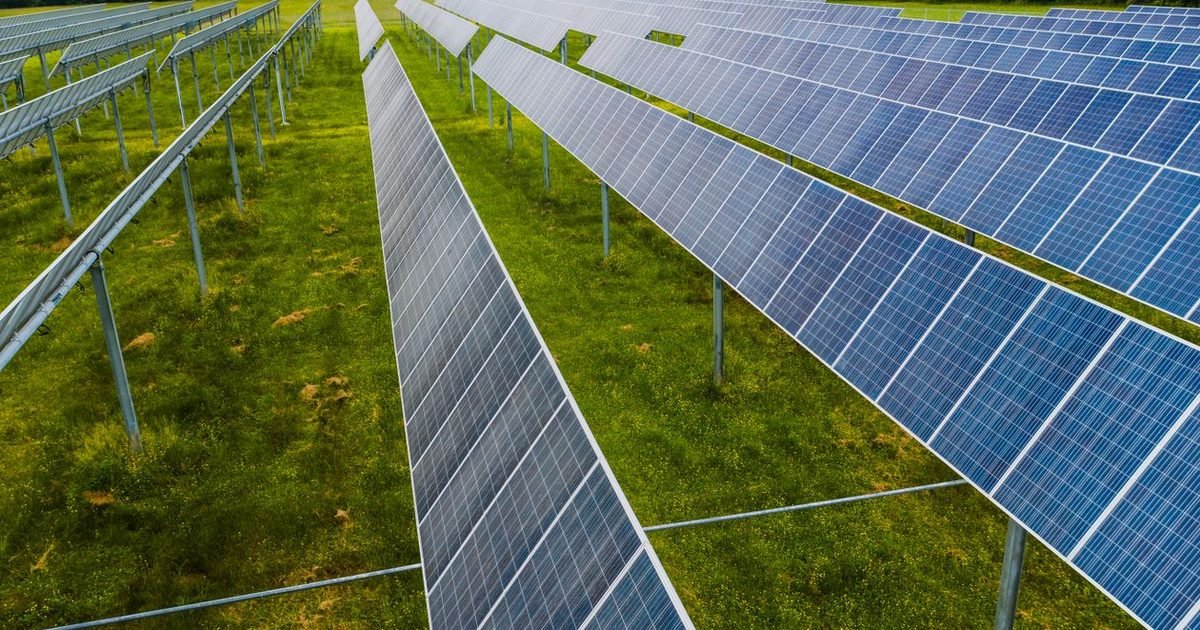
With tens of thousands of square metres of workshop roofs, rooftop solar is a "gold mine" many industrial-park enterprises are tapping. Decree 58/2025/ND-CP governs self-consumption rooftop solar development on the principle: serve on-site demand first, relieve the national grid.
Legally, four duty groups: (i) construction compliance for roof installation (loading, structure); (ii) electrical safety and fire prevention — a solar system is a generation source; every short-circuit fire is the owner's responsibility; (iii) notification/registration with regulators and the power unit; (iv) surplus power fed to the grid follows separate pricing and procedures — never connect and back-feed without completing them.
Commercially, two options: self-invest (own capital, full bill savings) or partner with an energy investor under a roof-lease/system-lease model (no capital; buy solar power below grid price). Each has different contract structures needing careful drafting — especially system ownership, maintenance, insurance, and handling when the workshop lease ends.
7. Ten key clauses in every PPA
Whether a bilateral PPA over a private grid, a forward electricity contract or a rooftop-system lease, these ten clause groups decide the contract's fate.
1. Parties and legal standing. Verify the seller: electricity licence, land-use rights of the source project, the project's legal status. The industrial-park buyer must ensure its signatory has authority.
2. Committed capacity and energy. Installed capacity, committed delivery volumes (min/max), and handling of actual-vs-committed gaps — critical for weather-dependent renewables. Take-or-pay clauses deserve care: they shift volume risk to the buyer.
3. Price and adjustment. Fixed for the term or formula-adjusted (inflation, FX, fuel)? Adjustment frequency and bands? Over a 15–20 year contract, the adjustment mechanism matters as much as the starting price.
4. Delivery point and losses. Pin the exact delivery point (responsibility boundary), metering methodology, and who bears line losses. Metering-figure disputes are among the most common PPA disputes.
5. Power quality. Voltage, frequency, harmonics standards, and liability when poor quality damages the buyer's equipment.
6. Payment. Billing cycles, payment terms, data-reconciliation method, late-payment interest and payment security (bank guarantees, escrows). Periodic review mechanisms for long terms.
7. Penalties and damages. Penalties for delivery failures, liability caps, and exclusions. Distinguish contractual penalties from damages per the Civil Code and sectoral law.
8. Force majeure. Listed events (natural disasters, policy changes, national-grid incidents…), notification procedure, and legal consequences (exemption, term extension, termination rights after a defined prolonged period).
9. Term, extension and early termination. Contract term, extension conditions, each party's unilateral termination cases and financial consequences (termination fees, equipment buy-back…).
10. Governing law and dispute resolution. Purely domestic PPAs apply Vietnamese law. Build a tiered mechanism: negotiation → mediation → arbitration or courts. With foreign investment, international arbitration (VIAC, SIAC…) is common.
8. Five common risks and how to prevent them
Risk 1: Power-price policy shifts. Preferential FIT mechanisms have moved from fixed to auction/negotiation. Prevent: change-in-law price adjustment clauses, spelling out who bears the risk and the renegotiation mechanism.
Risk 2: Source project delays (late COD). Prevent: per-day late-COD penalties, termination rights past a threshold, and performance bonds from the seller.
Risk 3: Metering-figure disputes. Prevent: detailed metering provisions (standards, periodic calibration, third-party verification), monthly data reconciliation, and a mismatch-resolution mechanism.
Risk 4: Counterparty credit risk. Especially with forward electricity contracts, the generator's ability to pay the price spread is key. Prevent: financial diligence, payment guarantees, early-termination triggers on insolvency.
Risk 5: Conflicts with industrial-park land/workshop leases. Rooftop systems or private lines may need the park infrastructure developer's or lessor's consent. Prevent: review leases before signing the PPA; add tripartite agreements where needed.
9. Frequently asked questions
Can an industrial-park enterprise buy electricity directly from a solar plant? Yes, under the direct power purchase (DPPA) mechanism in Decree 57/2025/ND-CP, if the enterprise qualifies as a large electricity consumer. Two forms exist: via a private connection grid and via the national grid (with a forward electricity contract). Consumption thresholds per Circular 29/2026/TT-BCT start at 20,000 kWh/month (private grid) or 200,000 kWh/month (national grid) — verify the original text before applying.
What is the forward electricity contract in the DPPA mechanism? In DPPA via the national grid, the renewable generator sells all output on the spot market, while the large consumer signs a forward electricity contract with the generator to fix the price difference, and separately signs a power purchase contract with the Power Corporation/Company for all physical electricity needs.
Does rooftop solar in an industrial park need permits? Self-consumption rooftop solar follows Decree 58/2025/ND-CP. Enterprises must comply with construction, electrical safety and fire-prevention rules and complete notification/registration; surplus power fed to the grid follows separate pricing and procedures. Do not connect without completing procedures.
How does a PPA with EVN differ from a direct PPA with a generator? A PPA with EVN (via the Power Company) uses standard form contracts at state-regulated retail tariffs — simple procedures. A direct PPA with a renewable generator under DPPA allows flexible negotiated prices and commercial terms, but requires large-consumer qualification and more complex technical and payment obligations.
Which PPA clause matters most? Three clause groups decide PPA economics: (i) price and adjustment mechanisms over the term; (ii) volume commitments (take-or-pay or flexible) and shortfall remedies; (iii) delivery point, metering and loss allocation. Payment, penalties, force majeure and early termination also need careful negotiation.
Where are PPA disputes usually resolved? Per the parties' dispute clause: negotiation, mediation, arbitration or courts. For PPAs with foreign elements, arbitration (domestic or international) is common. Fix the mechanism at negotiation stage, not when conflict erupts.
10. When to bring a lawyer into PPA negotiations
A PPA is a long-term contract (typically 15–25 years) worth tens of millions of dollars — negotiation mistakes follow the enterprise for the contract's life. Four moments need counsel: (i) model selection, assessing each option's legal feasibility; (ii) legal diligence on the seller and the source project; (iii) negotiating key commercial terms (price, volume, force majeure, termination); (iv) final pre-signing review ensuring full compliance with power-market and sectoral rules.
Timing matters as much as scope. Bringing counsel in after the commercial terms are already settled usually means reopening agreed points — costly and damaging to the relationship with the seller. The most cost-effective moment is before the term sheet: a lawyer can flag which commercial asks are legally achievable under Decree 57/2025/ND-CP and which need restructuring, so the term sheet reflects reality rather than aspiration. For rooftop projects on leased workshops, involve counsel even earlier — the lease review in Risk 5 often surfaces consent requirements that reshape the entire deal timeline. A focused legal review at term-sheet stage typically costs far less than renegotiating a signed PPA.
FLAT Law Firm advises FDI enterprises in industrial parks comprehensively on PPAs: model selection, source-project legal diligence, negotiating and drafting direct PPAs, forward electricity contracts and rooftop solar contracts, plus PPA dispute representation. Contact hotline 0988424851 to discuss your energy needs.
References
- Electricity Law No. 61/2024/QH15, effective 01/02/2025.
- Decree No. 57/2025/ND-CP dated 03/03/2025 on direct power purchase between renewable generators and large consumers.
- Decree No. 58/2025/ND-CP dated 03/03/2025 on self-consumption rooftop solar development.
- Circular No. 29/2026/TT-BCT of the Ministry of Industry and Trade on large consumers in direct power purchase.
—


