
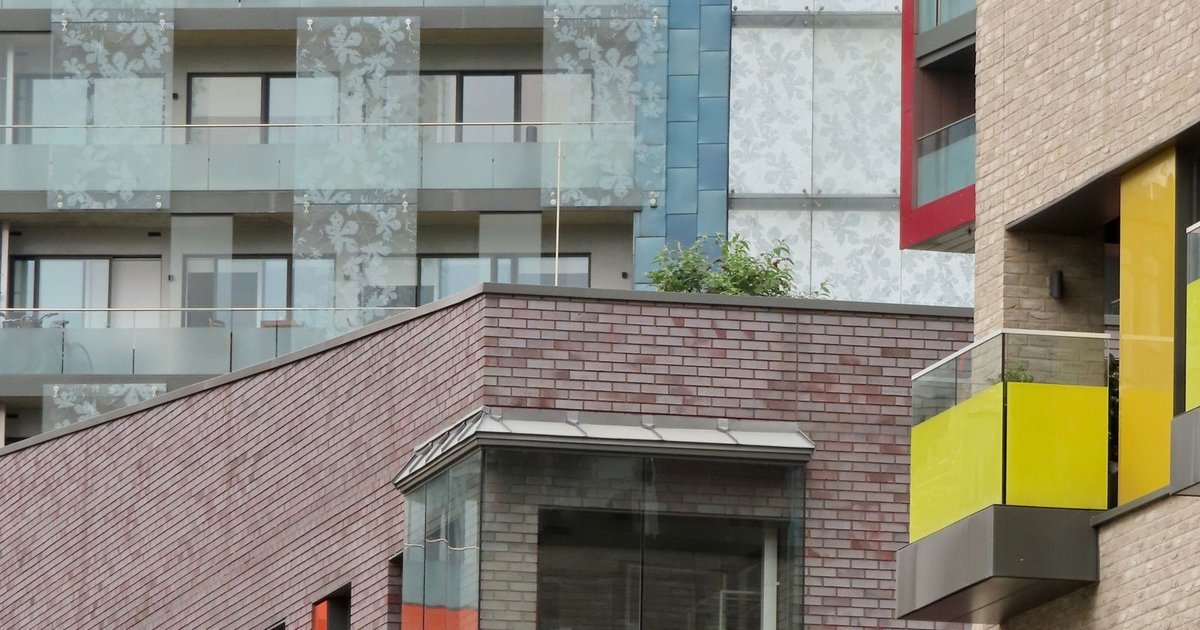
"How many apartments can a foreigner buy in Vietnam?" — almost every real estate consultant working with international clients has heard this question. In practice, foreigners own apartments Vietnam under a system of caps rather than a single number: no more than 30% of the apartments in one condominium building, with a separate cap for separate houses, subject eligibility conditions, and ownership term limits.
This article answers the 9 most frequently asked questions on the ownership caps that apply when foreigners own apartments in Vietnam under the 2023 Housing Law (effective 01/8/2024) and guiding documents, helping foreign investors and buyers understand the legal framework before committing money.
Contents
- 1. How many apartments can foreigners own in Vietnam?
- 2. Which foreigners may buy houses in Vietnam?
- 3. What conditions must foreigners meet to own housing?
- 4. How long may foreigners own housing?
- 5. What happens when the 50-year term expires?
- 6. Can foreigners buy villas or townhouses?
- 7. Can foreigners buy in national defence and security zones?
- 8. Can foreigners lease out apartments they bought?
- 9. What about overseas Vietnamese (Viet kieu)?
- Need detailed advice before buying in Vietnam?
- References
1. How many apartments can foreigners own in Vietnam?
Short answer: Foreigners own apartments Vietnam within strict caps: no more than 30% of the apartments in one condominium building. For separate houses (villas, townhouses), no more than 250 houses within an area with a population equivalent to one ward-level administrative unit.
Explanation: This is a hard cap in Article 19 of the 2023 Housing Law, applying when foreigners own apartments through buying, hire-purchasing, receiving as gifts or inheriting commercial housing. The calculation must be understood per housing type:
For condominium apartments, the 30% cap is calculated on the total apartments of one building, not the whole project. A project with 3 towers of 200 units each allows foreigners up to 60 units per tower — 180 units project-wide — not 30% of 600 pooled and allocated freely. This prevents foreigners from taking over an entire tower.
For separate houses (villas, townhouses), the 250-house cap applies within one ward-equivalent area. Where a ward-equivalent area contains multiple condo or separate-house projects along one street, the cap still applies across the whole area.
A practical point: many developers track each building's "foreign quota" themselves. Before placing a deposit, foreign buyers should ask the developer to confirm in writing that the building still has foreign quota available — once the quota is full, the transaction cannot complete the ownership-certificate procedure.
Legal basis: Article 19 of the 2023 Housing Law; Decree 95/2024/ND-CP.
Next steps: Identify the housing type (condo or separate house) and ask the developer to confirm in writing the remaining foreign quota of the building or project before signing a deposit agreement.
2. Which foreigners may buy houses in Vietnam?
Short answer: Three groups under Article 17 of the 2023 Housing Law: foreign-invested economic organisations investing in residential construction projects; foreign organisations operating in Vietnam (FDI enterprises, branches, representative offices, investment funds, foreign bank branches); and foreign individuals permitted to enter Vietnam.
Explanation: The law clearly distinguishes two ownership channels. The first group — foreign-invested economic organisations — owns housing through implementing residential construction investment projects in Vietnam, i.e. as project developers. The other two groups own through buying or hire-purchasing commercial housing from developers, receiving gifts or inheritances of commercial housing in projects outside national defence and security zones; or buying housing from foreigners who already own it lawfully.
This matters greatly in practice: a foreign individual cannot "do a project" to own housing — they can only buy commercial housing from a developer or from another foreigner. Conversely, an FDI enterprise wanting to own housing for resale must qualify as a residential project developer — a completely different procedure from buying an apartment to live in.
Legal basis: Article 17 of the 2023 Housing Law.
Next steps: Identify which subject group you belong to, to choose the lawful ownership channel — mistaking the group is a common error that stalls the transaction procedure.
3. What conditions must foreigners meet to own housing?
Short answer: Each group has its own conditions under Article 18 of the 2023 Housing Law: a foreign-invested economic organisation must be a residential project developer; a foreign organisation must hold a valid Vietnam operating licence; a foreign individual must be permitted to enter Vietnam and must not enjoy diplomatic or consular privileges and immunities.
Explanation: Detailed conditions per group:
- Foreign-invested economic organisations (the project group): must be the investor of a residential construction investment project under the 2023 Housing Law and real estate business law — including capital, land-use-right and experience conditions.
- Foreign organisations (FDI enterprises, branches, representative offices…): must hold an investment certificate or establishment/operation licence in Vietnam still valid at the time of signing the housing transaction. An expired, unextended licence disqualifies signing a purchase contract.
- Foreign individuals: must be permitted to enter Vietnam and must not enjoy diplomatic or consular privileges and immunities. In practice, buyers need a valid passport and entry documentation.
Legal basis: Article 18 of the 2023 Housing Law.
Next steps: Prepare full condition-proving documents before signing: passport and entry stamp (individuals), a valid investment certificate (organisations). Without these, notaries and certificate-issuing authorities will refuse the procedure.
4. How long may foreigners own housing?
Short answer: Foreign individuals may own for up to 50 years from the ownership certificate's issuance date, extendable once for up to 50 years. Foreign organisations own for the term stated in their investment certificate.
Explanation: Unlike Vietnamese citizens who own housing stably and long-term, foreigners own for a fixed term. For foreign individuals, the term is agreed in the contract but may not exceed 50 years from the certificate issuance date; upon demand, it may be extended once for no more than 50 years. The ownership term must be stated in the certificate.
For foreign organisations, the ownership term tracks the operating term in the organisation's investment certificate (including any extended period). When the investment certificate expires without extension, the housing ownership must be handled accordingly.
Special case: a foreign individual married to a Vietnamese citizen or to a person of Vietnamese origin residing abroad owns housing stably and long-term with the same rights as Vietnamese citizens — free from the 50-year limit.
Legal basis: The 2023 Housing Law (foreign housing ownership terms); Decree 95/2024/ND-CP.
Next steps: When buying, check the ownership term carefully in the draft contract and the certificate; plan handling (extension or transfer) at least 1–2 years before expiry.
5. What happens when the 50-year term expires?
Short answer: Act proactively before expiry: sell or gift the housing to an eligible party, or complete the ownership-term extension procedure. Do not wait until expiry.
Explanation: When the ownership term ends without extension, disposing of the asset becomes difficult: the owner can no longer lawfully hold title, and selling, gifting or mortgaging all stall. Practical options:
- Extension: foreign individuals get one extension of up to 50 years upon demand, meeting Government conditions. Start early — the administrative process takes time.
- Transfer: sell to domestic organisations or individuals, or to other foreigners still eligible with remaining quota. Transfer value is usually affected by the remaining term — the shorter the term, the harder the price.
- Gifting, inheritance: per the law on housing gifts and inheritance.
Note on the new draft: the draft 2026 Housing Law amendment also proposes adding post-expiry handling mechanisms — foreign organisations could authorise sale or gifting; if unhandled, the housing could be recovered by the State and auctioned. Still a draft, but it signals tightening management after expiry.
Legal basis: The 2023 Housing Law; Decree 95/2024/ND-CP.
Next steps: If you own housing with under 5 years remaining, review extension or transfer options now and consult a lawyer on the specific local procedure.
6. Can foreigners buy villas or townhouses?
Short answer: Under the current 2023 Housing Law, yes — within the cap of 250 houses per ward-equivalent area. But the draft 2026 amendment proposes removing this right.
Explanation: Article 19 of the 2023 Housing Law allows foreign organisations and individuals to own separate houses — including villas and townhouses — through purchase, hire-purchase, gifts and inheritance, capped at 250 houses per ward-equivalent area. This differs markedly from many regional countries restricting foreign ownership of land-attached separate houses.
However, policy may change. The Ministry of Construction's draft 2026 Housing Law amendment proposes removing foreigners' right to own separate houses, allowing only condominium apartments. The stated reason is institutionalising Resolution 21-NQ/TW of the Party Central Committee on not allowing foreigners to receive land-use-right transfers in any form (except persons of Vietnamese origin residing abroad) and ensuring consistency with the Land Law.
This means: villa and townhouse transactions completed before the amended law takes effect (if passed) still follow current law; but buyers should factor policy risk into long-term planning, especially for transactions with long completion timelines.
Legal basis: Article 19 of the 2023 Housing Law; the draft 2026 Housing Law amendment (open for comment — not current law).
Next steps: If planning to buy a villa or townhouse, track the amendment's progress closely and accelerate legal completion; consult a lawyer on protective clauses in deposit contracts against policy-change risk.
7. Can foreigners buy in national defence and security zones?
Short answer: No. Foreign organisations and individuals may only own commercial housing in projects outside areas requiring national defence and security assurance.
Explanation: This is a principled limit in the 2023 Housing Law: foreign housing ownership does not apply in areas requiring national defence and security assurance. The specific list is determined and published by the Ministry of National Defence and the Ministry of Public Security; the Government details zone requirements, population-conversion criteria and foreign-ownership management.
In practice, the risk is that buyers cannot self-determine whether a project falls in a restricted zone. The safeguard: require the developer to provide written confirmation that the project is not in a national-defence-and-security zone, or the competent authority's approval allowing sale to foreigners at that project. Some localities have published lists of projects cleared for foreign sale — a reliable cross-reference source.
Legal basis: The 2023 Housing Law (Articles 16 and 17); Decree 95/2024/ND-CP.
Next steps: Always require the developer's written confirmation of the project's legal status for foreign buyers before depositing; cross-check against the locality's published list where available.
8. Can foreigners lease out apartments they bought?
Short answer: Yes. Leasing is one of a housing owner's rights, but tax and residence-management obligations must be fully performed.
Explanation: The 2023 Housing Law does not restrict foreign owners' right to lease housing. Leasing does, however, trigger accompanying obligations:
- Tax: rental income is subject to personal income tax under tax law. Foreigners leasing apartments need to declare and pay tax fully — an area tax authorities increasingly tighten.
- Residence management: temporary-residence declarations for tenants are required under residence law; short-term tourist-style leasing must also follow local lodging-business rules.
- Building rules: many premium condos have management rules on leasing (registering with management, rules on short-term tenants). Violating them can spark disputes with the management board.
Legal basis: The 2023 Housing Law (owner's rights); personal income tax law; residence law.
Next steps: Before leasing, learn the tax declaration duties and the building's management rules; consider authorising a professional manager if not regularly present in Vietnam.
9. What about overseas Vietnamese (Viet kieu)?
Short answer: Persons of Vietnamese origin residing abroad enjoy a completely different regime: they may own housing attached to land-use rights in Vietnam with rights equivalent to domestic citizens, free from the 30% cap, the 250-house cap or the 50-year limit.
Explanation: The law clearly distinguishes "foreigners" from "persons of Vietnamese origin residing abroad". Under the 2024 Land Law and the 2023 Housing Law, persons of Vietnamese origin residing abroad may own housing attached to land-use rights in Vietnam — i.e. hold title to both house and land, with land-use terms and disposal rights equivalent to domestic Vietnamese citizens.
The key condition is proving "Vietnamese origin": documents proving former Vietnamese nationality, birth certificates, or other documents evidencing Vietnamese roots as prescribed. In practice, proving origin is the most troublesome step — many overseas Vietnamese no longer hold original documents and must complete confirmation procedures with competent authorities.
Distinguish carefully: a foreigner of Vietnamese origin who has renounced Vietnamese nationality and holds no origin-proving documents may be classified as an ordinary "foreign individual" and bear all the restrictions in this article.
Legal basis: The 2024 Land Law; the 2023 Housing Law (provisions on Vietnamese residing abroad).
Next steps: Overseas Vietnamese intending to buy should prepare origin-proving dossiers early; where documents are lost, complete confirmation and reissuance before transacting.
Need detailed advice before buying in Vietnam?
When foreigners own apartments in Vietnam, the 30% cap, subject conditions, the 50-year term, defence-security zones and policy-change risk — each factor can decide a transaction's success or failure. FLAT Law Firm supports foreign clients with project legal reviews, foreign-quota checks, sale-contract drafting and negotiation, and ownership-certificate procedures. Contact hotline 0988424851 for advice.
References
- Housing Law No. 27/2023/QH15, effective 01/8/2024.
- Decree No. 95/2024/ND-CP detailing the Housing Law, effective 01/8/2024.
- Land Law No. 31/2024/QH15, effective 01/8/2024.