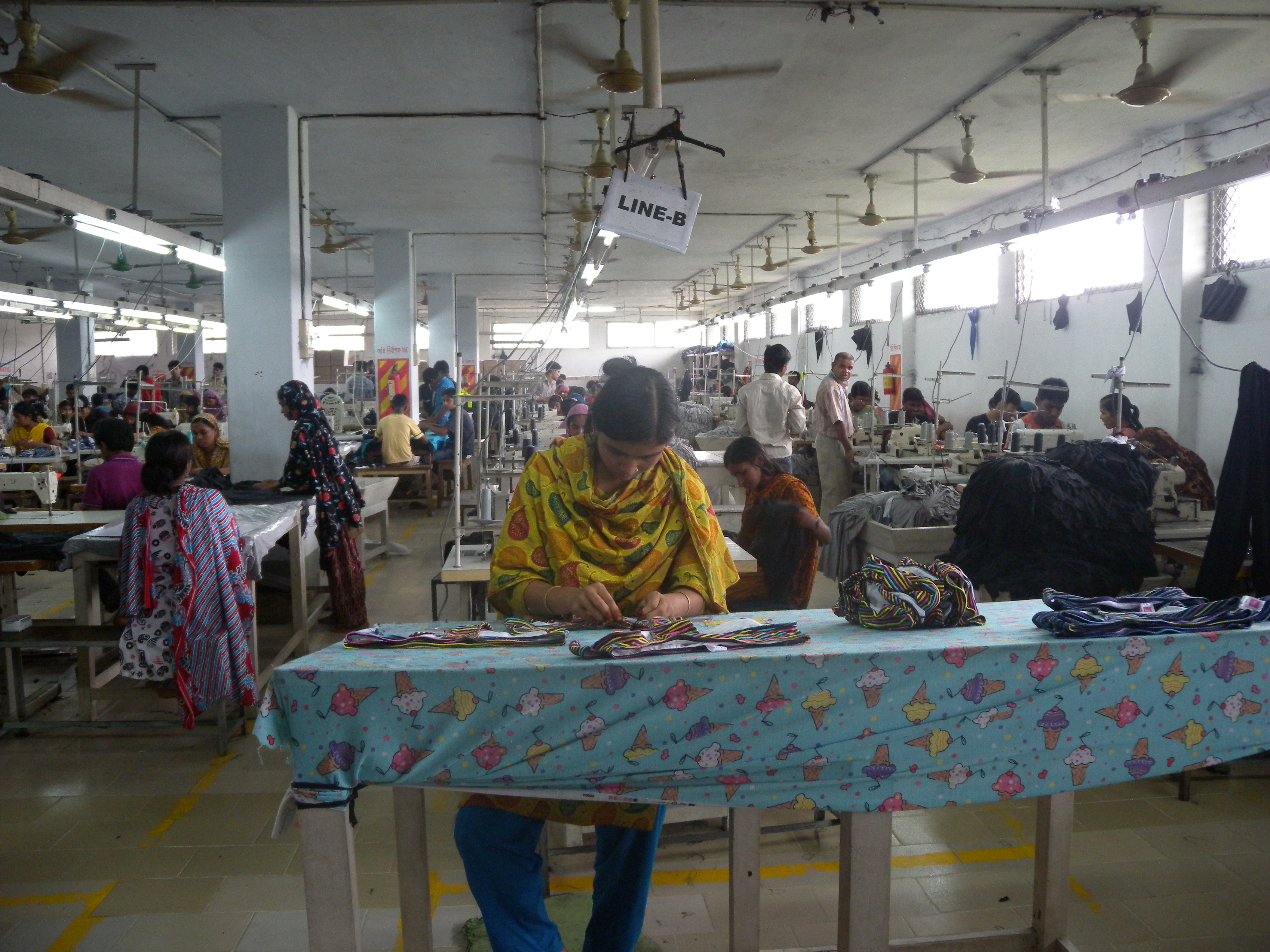
Illustration: garment factory — Author: Tareq Salahuddin, source Wikimedia Commons (CC BY 2.0).
A garment exporter in Nam Dinh had shipped apparel to Germany for two years without incident — until a letter arrived from Vietnam’s competent authority: the German side had requested verification of the origin documents for four consignments exported the previous year. The director was bewildered — the goods were delivered and paid for. Yet post-clearance verification is a built-in EVFTA mechanism, and how the company reacts in the first weeks largely decides the outcome.
1. How the verification procedure works
Since 10 May 2026, all EVFTA rules of origin have been governed by Circular 14/2026/TT-BCT (replacing Circular 11/2020/TT-BCT). Verification of origin documents is set out in Article 34 of this Circular.
Verification is carried out on a random basis or whenever the importing country’s competent authority has reasonable doubts about a document’s authenticity, the goods’ origin, or compliance with other EVFTA rules. EU customs does not deal with the Vietnamese company directly: it returns the C/O, the invoice or the self-certification document — together with its reasons and any evidence of discrepancies — to Vietnam’s competent authority. The Vietnamese side must acknowledge receipt of the request and then conduct the check, including the right to demand evidence and to inspect the exporter’s books and accounting records.
While awaiting the result, the importing country’s customs may suspend preferential tariff treatment for the consignment. The goods are still released, but the importer must take the necessary precautionary measures — in practice, usually a duty guarantee. If verification confirms originating status, the suspension decision must be withdrawn immediately.
2. The 10-month mark and the price of silence
The pivotal rule sits in Article 34(7): if no reply is received within 10 months of the request, or the reply lacks sufficient information to establish the document’s authenticity or the goods’ actual origin, the importing side may refuse preferential treatment — save in exceptional cases. Before refusing, it must clarify whether the exporting side received the request at all.
One practical detail matters: if more than 10 months are needed to complete verification, the Vietnamese side must proactively inform the importing side (Article 34(8)). Exporters should not sit idle — cooperate with the competent authority as soon as the request arrives, because “no reply” is measured on the channel between the two state authorities, and a company’s delay in supplying records can turn into an “insufficient information” reply.
3. Why textiles are always the most scrutinised sector
Textiles face the strictest origin rules in the EVFTA. Under the “fabric-forward” principle in the product-specific rules (Annex II of Circular 14/2026), garments qualify for preferences only if made from originating fabric — the weaving stage must take place in Vietnam or the EU. In reality, many Vietnamese firms import fabric from third countries and perform only cut-and-sew operations, which fails the rule from the outset even though origin documents were issued.
On tolerance, Article 8 of Circular 14/2026 allows a flexibility threshold for non-originating materials, but products of HS Chapters 50 to 63 follow Notes 6 and 7 of Annex I — and in all cases tolerance may never exceed the maximum percentage set by the product-specific rule. Tolerance is a safety valve for near-miss cases, not a licence to deliberately structure inputs above the threshold.
4. The records checklist every exporter should have ready
When inspectors arrive, they trace backwards from finished product to raw material. Article 31 of Circular 14/2026 requires exporters to keep copies of origin documents and related records for at least 3 years. A complete file should contain:
- The bill of materials (BOM) per product code: fabric, thread and trimmings per unit.
- Raw-material purchase invoices, import declarations (if any), and origin evidence for fabric and yarn inputs.
- Processing contracts, warehouse issue slips and production logs tied to each specific export consignment.
- Copies of the EUR.1 C/O or self-certification issued for the consignment, with the application file.
- Accounting books showing the flow from material input to finished output.
Note: 3 years is the regulatory minimum. Verification requests can arrive years after clearance, so regular textile exporters typically maintain longer, consignment-searchable archives.
5. The contract lesson: don’t leave the importer carrying the risk alone
The party directly assessed back duties when preferences are refused is the EU importer. So liability clauses for origin-document problems should be negotiated up front: who bears verification costs, reimbursement levels if preferences are lost, and the exporter’s duty to cooperate in supplying records. A sound internal process is: the import-export department issues origin documents only after cross-checking the BOM, input origin and the product-specific rule for that exact consignment — never signing documents to meet a deadline and completing the files afterwards.
Frequently asked questions
How long after clearance can a verification request be sent?
Post-clearance verification has no time limit for sending the request in the legal text. In practice requests can arrive years after delivery — which is why the minimum 3-year record-keeping rule exists.
Can the exporter deal directly with EU customs?
No. Verification runs between the two sides’ competent authorities under Article 34 of Circular 14/2026/TT-BCT. The company cooperates through Vietnam’s competent authority.
Are goods held at the port while verification is pending?
No. Goods are still released, but the importer must take necessary precautionary measures, usually a guarantee covering duties that might be back-assessed.
What if there is no conclusion after 10 months?
The importing side may refuse preferences if no reply arrives or the reply is insufficient — save in exceptional cases. If Vietnam needs more time, it must proactively notify the importing side.
This article has been quality-reviewed by the FLAW AI Legal Council
Related articles
- Certificates of Origin (Form E for China, CPTPP, EVFTA, RCEP) in Vietnam: Choosing the Best Preference
- Near Seaports vs Near the China Border: Location Strategy for Export-Oriented Manufacturing FDI in Vietnam
- 10 Mistakes Chinese Investors Often Make When Setting Up in Vietnam
- Choosing an Investment Vehicle for A Chinese Construction Company Taking a Project Contract: Subsidiary, Joint Venture or Representative Office?
- Chinese Nationals Applying for Vietnam Visa: Key Notes