
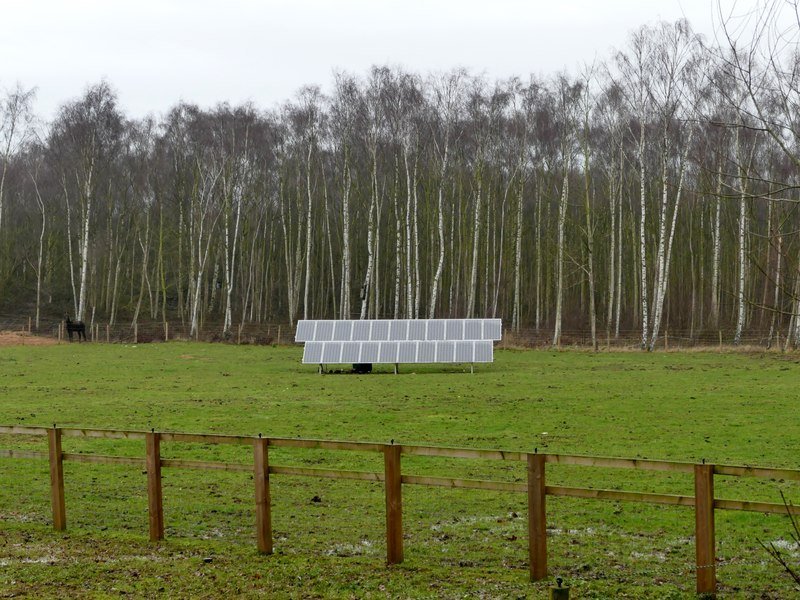
A farm in Binh Thuan mounts solar panels 4 meters above a dragon-fruit orchard: crops grow below, power sells to the grid above. One plot, two revenues — the agrivoltaics model being piloted in many countries. In Vietnam it is economically attractive but immediately hits three legal questions: what is this land, who buys the power, and who permits it?
What is agrivoltaics?
Agrivoltaics co-uses land for farming and solar generation: panels on high racks or wide spacing so crops and animals thrive underneath (some shade-tolerant crops even yield better with less irrigation). Unlike pure ground-mounted solar (which consumes farmland), agrivoltaics preserves the agricultural function — the key legal point on land use.
Hurdle 1: land-use purpose
The regulator’s first question: with solar panels on farmland, is it still “agricultural land”? If reclassified as energy/industrial land, the project faces purpose-conversion procedures, possibly auctions and land allocation — multiplying cost and time. The model is legally viable only by proving farming remains the primary, continuous land use — panels are ancillary works. Developers should engage local natural-resources authorities from the design stage and secure written confirmation before investing.
Hurdle 2: grid connection and power sales
Who buys the solar power, at what price, how grid connection works — depends on the energy policy of each period (the FIT era has passed; successor mechanisms are issued per phase). Farm-scale agrivoltaics typically connects to the local grid under prevailing rooftop/self-consumption or direct power purchase (DPPA) mechanisms. Without a signed power purchase agreement, “two revenues” become one.
Hurdle 3: long-term investment and operation
Panel racks last 20–25 years while cropping underneath changes by season and crop. Contracts with solar partners (in joint investments) must allocate: liability when racks hurt crop yields, decommissioning and site-restoration costs at project end, and insurance for both activities. On leased land, the lease term must be long enough to recover both investment components.
Frequently Asked Questions
1. Do panels on farmland count as purpose conversion?
It depends on implementation and the local regulator’s view. Proving farming stays the primary, continuous use with panels as ancillary works improves acceptance — but get written confirmation from competent authorities; do not self-interpret.
2. Can farm solar power be sold to the grid?
It depends on the solar policy mechanism in force at connection (self-consumption, direct purchase…). Engage the power utility on connection feasibility and sign a PPA before investing.
3. Which crops suit this model?
Technically, partial-shade crops, vegetables, mushrooms, and livestock (animals sheltering under racks). Legally, crops that best evidence “farming first” strengthen the land file.
This article has been quality-reviewed by the FLAW AI Legal Council.
Related articles
- VietGAP vs GlobalGAP: Choosing the Right Certification for Your Market
- Agri-Traceability in Vietnam: Rules and Technology for Demanding Markets
- Fertilizers in Vietnam: Conformity Announcement, Quality and Counterfeits
- Pesticides in Vietnam: Registration for Circulation and Rules of Use
- New Crop Varieties: Plant Variety Rights and Trials for Market Approval


