
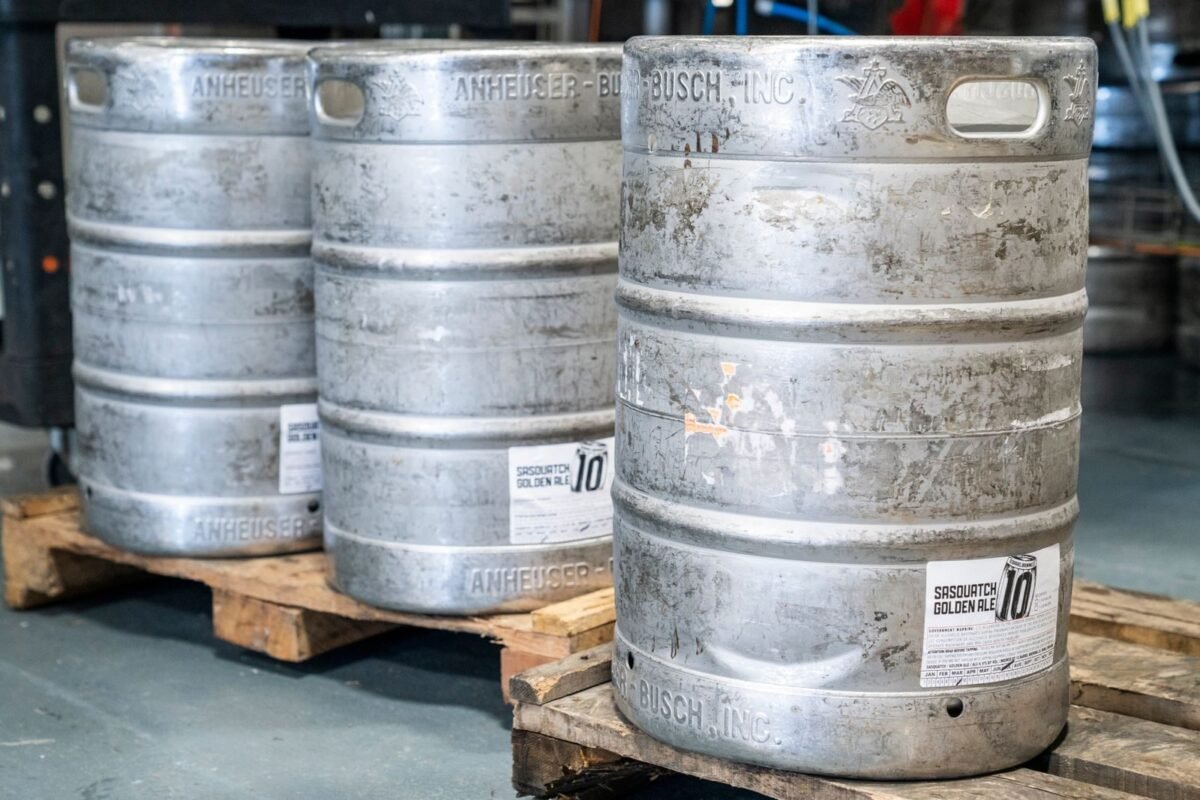
Split the two industries: liquor has its own licence, beer does not
FDI investors often bundle beer and liquor in one question, but the legal framework separates them clearly. Liquor business is a conditional sector under Decree 105/2020/ND-CP on liquor business: industrial liquor production requires an Industrial Liquor Production Licence from the Ministry of Industry and Trade; craft liquor production for business purposes requires a Craft Liquor Production Licence from the provincial People’s Committee; craft production for on-site household consumption not aimed at business only registers with the commune People’s Committee. Beer production has no equivalent standalone production licence — the enterprise meets food production premises conditions under food safety law, registers its business lines, and performs product declaration, labelling and traceability as prescribed.
Conditions for the Industrial Liquor Production Licence in Decree 105/2020/ND-CP include: a lawfully established enterprise registered for alcoholic beverage production; production premises meeting food safety and environmental conditions; production lines and equipment matching the registered scale; and technical personnel meeting professional requirements. Liquor is also an advertising-restricted product group with its own distribution conditions: wholesale and retail of liquor at 5.5% ABV and above need corresponding licences, and e-commerce liquor sales must meet additional buyer age verification conditions.
Craft liquor limits and the quota question
For traditional craft liquor, the law sets no national production quota of the licence-rationing kind, but two practical locks exist. Lock one is the licence: craft production for business without a Craft Liquor Production Licence is unlawful production, and unlicensed distilled liquor is also handled as goods of unclear origin. Lock two is packaging and stamps: liquor produced for sale must meet goods labelling rules and liquor stamp rules under tax and customs law for domestically produced liquor, so a model of collecting craft liquor from many unlicensed households and bottling it for sale must be restructured into licensed production — a distribution licence alone cannot carry it.
On strength and classification, the legal thresholds worth remembering are: alcoholic drinks at 5.5% ABV and above face tighter distribution licensing; liquor at 20 degrees and above and liquor under 20 degrees bear two different special consumption tax rates. An FDI investor planning a product portfolio should design the range around these thresholds from the start, because they simultaneously determine the distribution licences needed and the tax rate per product line.
Special consumption tax: current figures and a legislated rising path
Special consumption tax on beer and liquor under Special Consumption Tax Law No. 66/2025/QH15 (in force 1 January 2026) keeps familiar opening rates for 2026 — beer 65%, liquor at 20 degrees and above 65%, liquor under 20 degrees 35% — but the core novelty is that the law has pre-locked a year-by-year increase path over the following period to markedly higher ceiling levels by 2031 (liquor at 20 degrees and above and beer heading to 90%, liquor under 20 degrees to 60% under the tariff schedule of Law 66/2025). An investor modelling a brewery or distillery over a 10 to 15 year life on a flat 65% rate is under-modelling: margins must be tested against each year’s scheduled rate.
Beyond excise, beer and liquor production also bears: value added tax under current VAT law, corporate income tax under Corporate Income Tax Law 67/2025/QH15, and packaging environmental obligations under the extended producer responsibility (EPR) mechanism in environmental protection law — beverage producers are a group obliged to perform packaging recycling responsibility. Together with the advertising restrictions of Law on Prevention and Control of Harmful Effects of Alcohol and Beer No. 44/2019/QH14, these form a whole product life-cycle compliance picture, not just an initial production licence.
Frequently asked questions
What licence does an FDI brewery need?
Beer has no separate production licence: the enterprise needs business registration for beverage production, food production premises conditions under food safety law, product declaration and correct labelling. If the plant also produces liquor, the liquor part requires an Industrial Liquor Production Licence from the Ministry of Industry and Trade under Decree 105/2020/ND-CP — licensing is per activity, not bundled.
Is there a quota for craft or traditional liquor production?
There is no national production quota, but craft production for business requires a Craft Liquor Production Licence from the provincial People’s Committee under Decree 105/2020/ND-CP; non-business production only registers at commune level. Liquor sold on the market must also meet labelling and liquor stamp rules, so collecting liquor from many unlicensed households for bottling and sale is not lawful.
How much is special consumption tax on beer and liquor?
Under Special Consumption Tax Law 66/2025/QH15: for 2026, beer 65%, liquor at 20 degrees and above 65%, liquor under 20 degrees 35%. The law pre-locks annual increases to 2031 — beer and liquor at 20 degrees and above heading to 90%, liquor under 20 degrees to 60% — so a long-term financial model must apply each year’s rate, not one flat rate.
Related articles
- Foreign Investment in Petroleum Trading in Vietnam: The Prime Minister Approval Gate
- Foreign Investment in Online Gaming in Vietnam: The G1–G4 Licensing Ladder Is the Real Gate
- Foreign Investment in Press and Publishing in Vietnam: The Prohibited Zone and the Doors Still Open
- Vietnam Local File: Detailed Section-by-Section Structure
- Rent Money from Abroad: 2 Lawful Ways & Rental Tax
This legal analysis has been verified against current Vietnamese regulations and cross-border FDI transaction practices by the attorneys at FLAT LAW FIRM.

