
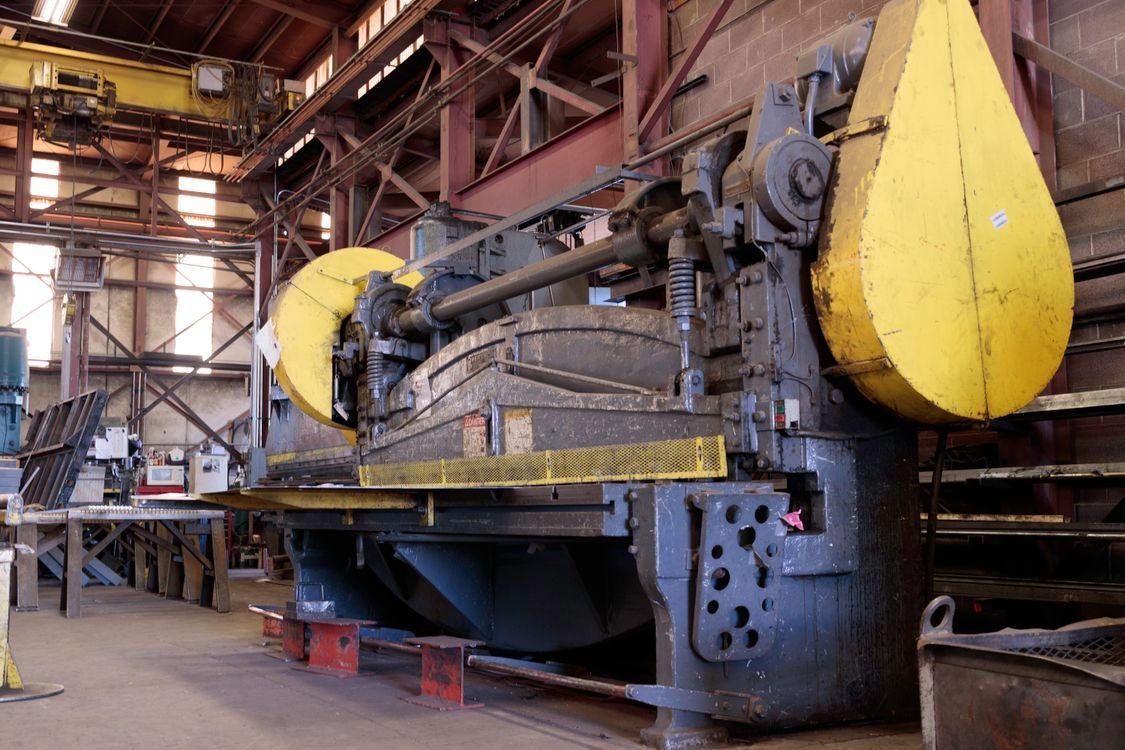
Scenario: the textile workshop’s boiler explodes on the morning shift; one operator dies instantly, two others are seriously injured. The business owner — who signs off every expense — insists he “knows nothing about engineering” and that the boiler was the maintenance team’s affair. The question: does the owner face criminal prosecution, or does the company simply pay compensation and move on?
Not every explosion is a crime — there must be a “violation” causing the “consequence”
Criminal liability does not arise automatically from a death. Investigators must prove two linked elements: (1) a violation of occupational safety rules — for example, running a boiler past its inspection expiry, failing to train operators, or having no written safe-operating procedure; and (2) that the violation caused the death. If the boiler was duly inspected, operated correctly, and exploded because of a latent manufacturing defect, the case shifts to the manufacturer’s civil — and potentially criminal — liability, not the owner’s.
Boilers belong to the group of equipment subject to strict occupational safety and health requirements: Article 31 of the 2015 Law on Occupational Safety and Health requires technical safety inspection before commissioning and periodic re-inspection during use. The inspection dossier is therefore the central evidence in every boiler explosion — whether it was valid or expired, and whether the inspection body was qualified.
Who faces prosecution: “the owner” is not automatically the defendant
Criminal law pursues the individual whose specific conduct violated the rules, not the abstract title of “business owner”. Investigations typically target three groups: (a) those who directly manage and direct production (the plant director, the foreman) — the person who decided to keep running an out-of-inspection boiler; (b) the occupational safety officer — who had the duty to inspect and warn but stood by; (c) the owner himself, if it is proven he knew the equipment was unsafe yet ordered or acquiesced in continued operation to save costs.
Conversely, if the owner had fully delegated authority and budget to the safety function, issued procedures, and subordinates deliberately disobeyed — criminal responsibility concentrates on the direct violator. This is the most fragile boundary and the one defense counsel exploits most: the company’s records of task assignment, delegation and safety budgets.
Penalty frames under Article 295 of the 2015 Penal Code
The crime of violating regulations on occupational safety, occupational health and safety in crowded places is set out in Article 295 of the 2015 Penal Code (as amended in 2017):
- Frame 1: a fine of VND 20–100 million, non-custodial reform of up to 3 years, or 1–5 years’ imprisonment — where the violation causes death, bodily injury of 61% or more, or property damage of VND 100–500 million.
- Frame 2: 3–7 years’ imprisonment — where 2 people die, or the offender is a person responsible for occupational safety and health.
- Frame 3: applies where 3 or more people die. Additional penalties (Clause 5) include fines and bans from holding positions or practicing.
Notably, a commercial legal entity can also face criminal prosecution for this group of offenses under Article 76 of the Penal Code — the company cannot hide behind individuals, nor can individuals dump everything on the company.
Beyond criminal law: compensation and suspension are certain
Whether or not anyone is prosecuted, the company must compensate the victim’s family. The 2019 Labor Code (Articles 38 and 39) sets out the employer’s duties when a worker suffers an occupational accident: full medical costs, wages during treatment, and a lump-sum allowance — at least 30 months’ salary where the worker dies. The offending equipment is suspended pending investigation, and the company may face administrative sanctions in the labor sector under Decree 283/2026/ND-CP (which replaced Decree 12/2022/ND-CP from 10 September 2026) — failure to periodically inspect strict-requirement equipment such as boilers alone draws fines under Clause 4, Article 35 of that Decree, from VND 20 million to VND 75 million depending on the number of items.
The blunt conclusion: a business owner does not automatically go to prison for an explosion, but nor can he hide behind “I don’t know engineering”. Investigators follow the trail of decisions: who signed off on running the boiler past its inspection date, who cut the maintenance budget, who ignored workers’ warnings. Those signatures — not the job title — decide who becomes a defendant.
Related articles
- Translation, Notarization and Legalization Costs for FDI Dossiers
- Legal Fees for FDI Formation: Fixed Package vs Hourly
- State Fees for the Full FDI Company Formation Process: Itemized
- Actual Timelines at the Department of Education and Training: Statutory Days vs Reality, and Where Delays Happen
- Actual Timelines at the Department of Construction: Statutory Days vs Reality, and Where Delays Happen
This legal analysis has been verified against current Vietnamese regulations and cross-border FDI transaction practices by the attorneys at FLAT LAW FIRM.

