
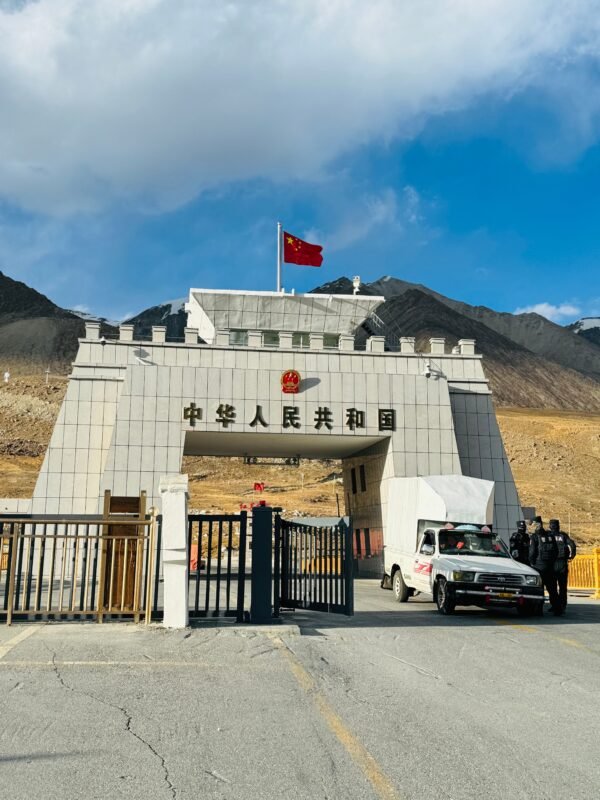
Counterfeit and infringing goods crossing borders — major harm to right holders. Both China and Vietnam operate customs IP recordal systems to block infringing goods at the gate. This article compares the two countries’ procedures.
1. Why border IP protection is needed
- Problem: counterfeits — made in one country, sold in another;
- Chokepoint: the border — more effective than market raids;
- Cost: cheaper — than suing case by case;
- Deterrence: stopping at the source — deterring infringers;
- Brand: protecting reputation — against poor-quality fakes;
- Exporters: exporting businesses — also need protection abroad.
2. Recordal with Vietnamese customs
- Who: right holders — trademarks, copyrights, plant varieties;
- Filing: the customs authority — requesting monitoring;
- Dossier: certificates, authorisations — genuine/fake identification info;
- Validity: time-limited — renewable;
- Fees: per regulations — ask customs directly;
- Effect: customs watching — suspicious shipments.
3. Recordal with Chinese customs
- Authority: China’s General Administration of Customs (GACC) — the recordal system;
- Scope: IP rights — registered in China;
- Condition: rights in force — in China;
- Procedure: filing for recordal — through the system;
- Details: ask an agent — Chinese IP agency;
- Note: only protecting — rights registered in China.
4. Do customs proactively detain suspect goods?
- Vietnam: a suspension — mechanism for clearance;
- Notice: customs notifying — the right holder;
- Confirm: the holder confirming — infringing or not;
- Deposit: may be required — as security;
- China: its own mechanics — ask advisers for detail;
- Time: limited — must act fast.
5. Telling genuine from fake at the gate
- Information: giving customs — identification features;
- Samples: genuine samples — for comparison;
- Labels, codes: anti-fake labels, QR codes — technology;
- Training: training — customs officers;
- Updating: new information — when packaging changes;
- Cooperation: good relations — with customs.
6. Exporting from Vietnam: register in the importing country
- Principle: territorial protection — each country separate;
- Register: trademarks in the importing country — before exporting;
- Destination customs: recordal — in the importing country;
- US, EU: their own systems — each country/bloc;
- Cost: priced into exports — brand protection;
- Plan: before opening — new markets.
7. Are transit goods detained?
- Issue: transit goods — through Vietnam/China;
- Debate: scope of application — varying by country;
- Risk: being detained — even in transit;
- Prevention: researching first — transit-country rules;
- Advice: lawyers — for high-value transit shipments;
- Insurance: contract clauses — allocating risk.
8. Handling after goods are detained
- Verify: assessing — whether goods infringe;
- Demand: destruction, confiscation — of fakes;
- Compensate: the holder’s damages;
- Cargo owner: the right to be heard;
- Deadline: quickly — avoiding long storage;
- Cost: storage, destruction — who pays.
9. Cooperation between right holders and customs
- Proactive: providing information — periodically;
- Hotline: fast contact — on detection;
- Training: identification training — for customs;
- Feedback: thanks and support — building relations;
- Both countries: both need — cooperative relations;
- Long term: investing in relations — lasting effect.
10. Costs of maintaining border protection
- Recordal fees: per regulations — each country;
- Renewal: periodic — maintaining validity;
- Agents: service fees — monitoring;
- Training: training costs — for customs;
- Vs litigation: far cheaper — (qualitative);
- Budget: annually — for brand protection.
11. Border protection for copyrights
- Scope: software, digital content — easily copied;
- Recordal: also available — with customs;
- Difficulty: digital goods — hard to block physically;
- Measures: technical — DRM, encryption;
- Combine: legal + technical — effective;
- Reality: focusing — on physical goods.
12. Well-known marks: stronger protection
- Edge: well-known marks — broader scope;
- Recognition: the competent authority — recognising;
- Border: customs pays more attention;
- Proving: use and advertising — extensive;
- Both countries: both have — well-known-mark regimes;
- Strategy: building — strong brands.
13. Countering fakes in cross-border e-commerce
- New channel: small parcels — hard to control;
- Platforms: liability — of marketplaces;
- Mechanism: notice and takedown;
- Customs: parcel inspections — random;
- Brands: protection programmes — of platforms;
- Combine: border + online — comprehensive.
14. Risks for genuine importers
- Wrongly held: genuine goods — suspected;
- Proving: invoices, distribution authorisations;
- Parallel: parallel imports — debated;
- Prepare: complete paperwork — when importing;
- Agents: genuine authorisations — clear;
- Handle: quickly — contacting the holder.
15. IP clauses in import-export contracts
- Warrant: no infringement — of third-party IP;
- Indemnify: the breaching party bears — damages;
- Check: the supplier’s export rights;
- Marks: who owns — marks on goods;
- Disputes: resolution mechanisms — clear;
- Lawyers: reviewing contracts — before signing.
16. Market surveillance beyond the border
- Border not enough: leaked goods — still entering markets;
- Watch: hiring firms — market monitoring;
- Test buys: buying suspect goods — assessing;
- Act: the authorities — inspecting, fining;
- Online: platform monitoring — e-commerce;
- Circle: border + market — closed loop.
17. Two-country comparison at a glance
- Mechanism: both have — customs recordal;
- Enforcement: China stronger — in scale (qualitative);
- Vietnam: improving — the mechanism;
- Cost: relatively low — both;
- Recommend: doing both — if trading in both;
- Start: once certificates issue — don’t delay.
18. Implementation roadmap for businesses
- Step 1: reviewing — the IP portfolio;
- Step 2: prioritising — core marks;
- Step 3: recording — with each country’s customs;
- Step 4: training — providing information;
- Step 5: maintaining — renewals, updates;
- Budget: planning — annually.
19. Common mistakes
- Only registering marks: forgetting — customs recordal;
- One country: neglecting — the other;
- Not updating: packaging changes — not notifying customs;
- Not renewing: expiry — losing protection;
- Passive: waiting on customs — not proactive;
- False economy: cutting — brand-protection budgets.
20. Border IP protection checklist
- Certificates — in each country?
- Customs recordal — filed?
- Identification info — provided?
- Renewals — tracked?
- Importing country — registered?
- Market watch — deployed?
21. Express consignments and postal parcels
- Channel: small parcels — the growing route;
- Risk: harder to inspect — volume;
- Customs: risk profiling — targeting;
- Brand: reporting — suspicious sellers;
- Cooperate: express companies — sharing intel;
- Reality: not watertight — layered defence.
22. Training customs officers: brand programmes
- Offer: training sessions — for customs;
- Materials: identification guides — genuine vs fake;
- Samples: reference samples — providing;
- Updates: new products — briefing;
- Contacts: rapid contacts — designated;
- Both: China and Vietnam — programmes.
23. Intelligence sharing among brand owners
- Share: counterfeit intelligence — among brands;
- Associations: industry groups — joining;
- Joint: joint actions — with customs;
- Data: seizure data — analysing;
- Trends: routes shifting — tracking;
- Benefit: collective — deterrence.
24. Border protection for trade secrets in goods
- Limit: customs can’t detect — know-how theft;
- Focus: trademarks and designs — visible rights;
- Secrets: contracts and security — protecting;
- Staff: controlling — access;
- Combine: border + internal — measures;
- Realistic: right tool — per asset.
25. Annual review of the border-protection programme
- Review: yearly — effectiveness;
- Seizures: numbers — analysed;
- Costs: cost-benefit — assessed;
- Adjust: strategy — refined;
- Expand: new rights — added to recordal;
- Report: management — reporting.
27. Keeping the recordal dossier current
- Update: packaging changes — notified;
- Renew: rights renewals — reflected;
- Add: new marks — recorded;
- Remove: expired rights — withdrawn;
- Contacts: contact details — current;
- Audit: annual — dossier audits.
Contact us
FLAT Law Firm advises Chinese investors throughout the Vietnam investment cycle — from deal structuring and licensing to operations and compliance. Contact us for advice tailored to your project.
This article has been quality-reviewed by the FLAW AI Legal Council


