
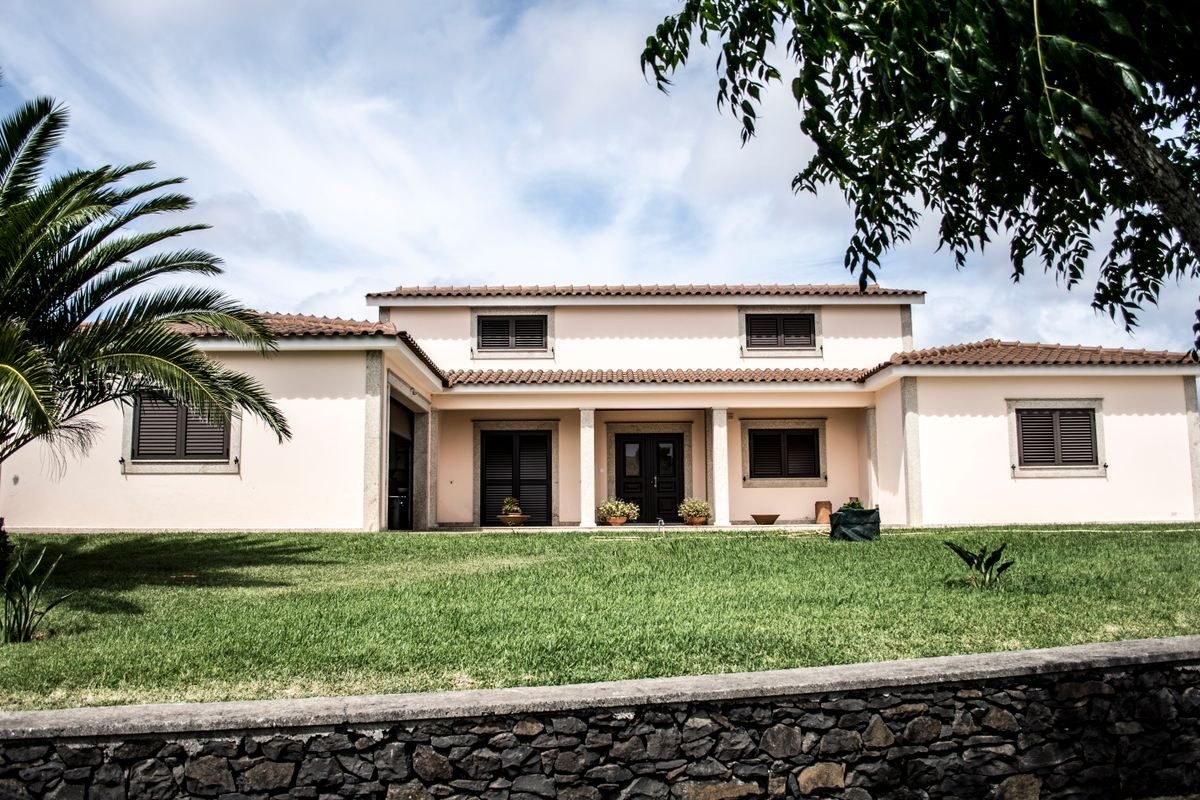
The Larsens, a Danish couple, had rented in Da Nang for 3 years and decided to put down roots: a 2-bedroom sea-view apartment. An agent showed them a stunning beachfront villa project, assuring them “foreigners can buy; the title will be in your names.” Luckily, before placing a 500-million-VND deposit, they consulted a lawyer — and learned the villa project sat in a restricted zone where foreigners cannot own, and the “titled ownership” promised is something the law does not allow.
Buying a home is a retiree’s biggest financial decision — and in Vietnam, the framework for foreign buyers is both clear and strictly limited. Understanding it upfront keeps your deposit out of projects you can never own.
What housing foreigners may buy in Vietnam
Under the Law on Housing No. 27/2023/QH15 (effective 01/8/2024), foreign organizations and individuals eligible for home ownership in Vietnam may purchase, hire-purchase, receive as gifts, or inherit commercial housing in residential investment projects — provided the project is not in an area requiring national defense or security protection.
In other words: you may only buy commercial housing inside projects that the state has permitted foreign organizations and individuals to own in. Buying standalone residential land outside projects, farmland, or “titled” land use rights — all fall outside what the law allows foreigners (overseas Vietnamese have a separate regime).
Three numbers to memorize: 30%, 250 units, 50 years
- 30%: foreign organizations and individuals may own no more than 30% of the residential apartments in one apartment building. If the building has hit its 30% foreign quota, you cannot buy even with units vacant — verify the ratio with the developer before depositing.
- 250 units: for landed houses (villas, townhouses inside projects), total foreign ownership must not exceed 250 units in a ward-equivalent populous area.
- 50 years: a foreign individual’s home ownership term is 50 years maximum from the certificate issuance date, extendable once for up to 50 more years on demand. After expiry (including extension), you must sell or gift the home to an eligible owner in Vietnam.
A safe buying process for older purchasers
Step 1 — Check the project is on the permitted-for-foreigners list. Provincial People’s Committees publish lists of projects allowing foreign ownership (e.g., Ho Chi Minh City listed 164 projects as of 10/2026). Not on the list means not buyable, whatever the agent says.
Step 2 — Check the building/project’s foreign ownership ratio. Ask the developer for written confirmation of remaining foreign quota.
Step 3 — Sign the sale contract with the developer. Sign only with the project developer (or a lawful assignee) — never substitute “capital contribution” or “investment cooperation” contracts, which confer no home ownership rights.
Step 4 — Take handover and obtain the certificate. After handover, process the home-ownership certificate in your name — the sole legal proof of your 50-year ownership.
Watch-out: draft amendments to the Housing Law
The Ministry of Construction is consulting on amendments that would remove foreign ownership of landed houses (villas, townhouses) in projects — keeping only apartments under the 30% cap. As of writing, this is a draft, not law. If you are eyeing a project villa, track this legislative process closely; it may reshape your rights.
Frequently asked questions
1. Can a land-use title be in my name in Vietnam?
No, as a foreigner without Vietnamese nationality. Foreigners may not receive land-use rights transfers in any form (except overseas Vietnamese under their own regime). You own the house (the structure), not the land.
2. Does buying a home get me a residence card?
Not directly. Home ownership is not a TRC basis under immigration law. You still need a valid residence category (investment, family visit, visa exemption…) — the house is a dwelling, not a “visa.”
3. What if I outlive the 50 years?
You may extend once for up to 50 years on demand through prescribed procedures. Start the extension proactively before expiry — do not let ownership drift into legal limbo.
4. Can I rent out my apartment?
Yes. Foreign homeowners may lease their homes. Rental income is subject to personal income tax in Vietnam — you must declare and pay per regulations.
5. How do I buy from another foreigner?
Transfers between foreigners are allowed within the remaining ownership term. Verify carefully: the project remains on the permitted list, the building’s 30% ratio, and the remaining term on the seller’s certificate.
Home-buying advice for retiring foreigners
A retirement home should be a sanctuary, not a protracted dispute. FLAT LAW FIRM conducts project legal due diligence (permitted list, foreign quota, developer standing), reviews sale contracts, and walks with you until the certificate is in your hands. Contact us before placing a deposit — the Larsens’ 500 million VND was saved by one timely call.
This article provides general legal information and does not substitute advice for specific cases.
Related articles
- Personal income tax on inherited real estate: who pays and what is the rate?
- Inheriting savings books and bank accounts of the deceased: withdrawal procedures
- Heirs of shares in a joint stock company: do they automatically become shareholders?
- Disclaiming an inheritance: conditions and procedure
- Statute of limitations for estate division expired: any remaining remedies?
This legal analysis has been verified against current Vietnamese regulations and cross-border FDI transaction practices by the attorneys at FLAT LAW FIRM.

