
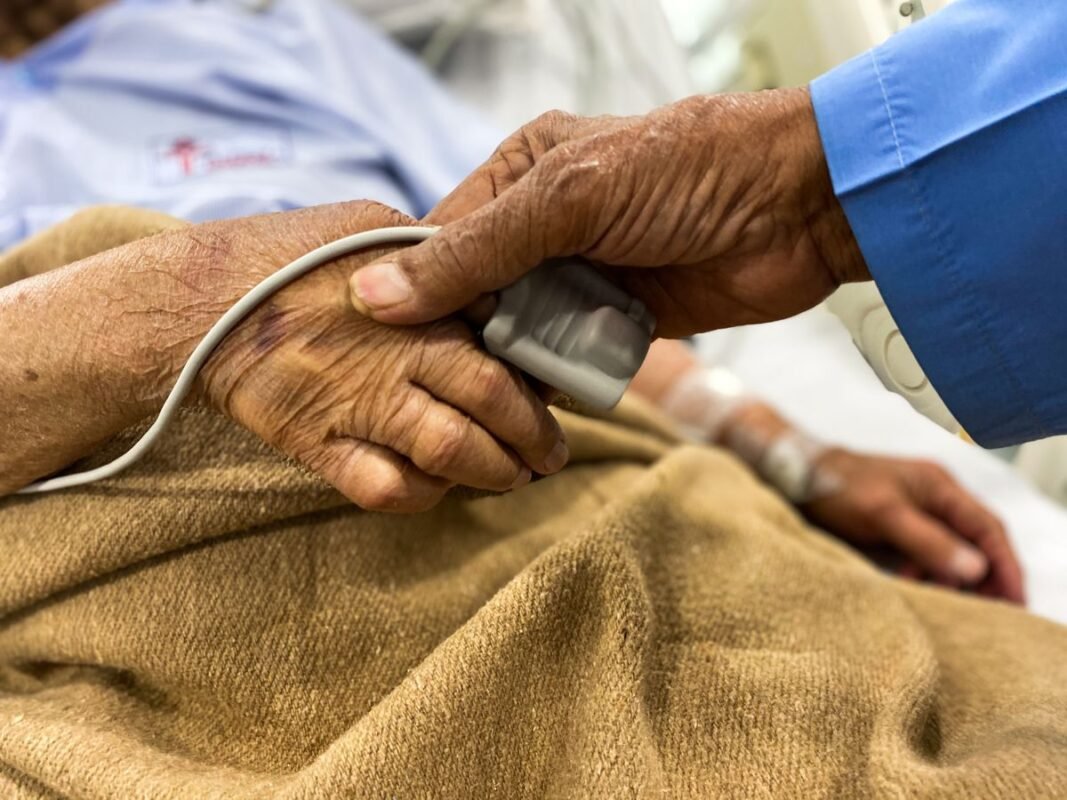
Does the child who directly cared for elderly parents get a larger inheritance share than the other siblings? The honest answer under current law: no provision allows “whoever cared for the parents gets more.” Article 651(2) of the 2015 Civil Code is clear: heirs of the same class share the estate equally. However, the caregiver still has three lawful paths to a larger share — if done correctly.
1. The principle: equal shares within a class
The law does not “reward” parental caregivers with a bigger statutory share. Example: four siblings in the first class each receive one quarter — even if one cared for the parents for 10 years while another rarely visited. This feels unfair, but it is the current rule and must be stated plainly to avoid misunderstanding.
2. Path 1: Agreement among co-heirs
This is the most practical and effective route. Co-heirs may freely agree to divide differently from equal shares — e.g. granting the caregiving child a larger portion to recognise their efforts. The agreement is recorded in the estate division document, notarised under Article 59 of the 2024 Notarisation Law, with full legal effect. The only condition: it must be voluntary, uncoerced, and not violate legal prohibitions.
3. Path 2: The parents’ will
A testator has full disposal rights over their property — parents may will a larger share, even the entire estate, to the caregiving child. One caveat: Article 644 protects “heirs independent of the will’s contents” — parents, spouses, and minor or incapacitated children still receive two-thirds of a statutory share even if the will gives them nothing.
4. Path 3: Court division
If the parties cannot agree and must litigate, contributions — directly caring for the deceased, managing and improving the estate — are factors the court considers when dividing assets in kind, valuing and allocating them. This is not a hard rule of “double share”, but a factor weighed case by case. Caregivers should gather evidence of their contributions (medical bills paid, living expenses covered, time spent…).
5. Practical recommendations
- While parents are alive: discuss openly as a family; parents may make a will expressing their wishes clearly — avoiding a future dispute “time bomb”;
- After the succession opens: hold a family meeting early, prioritise an agreement recognising the caregiver’s efforts, and notarise the estate division document;
- Do not rely on verbal claims of merit in court without evidence — contributions must be proven with receipts, documents and witness statements.
6. Frequently asked questions
Q: I cared for my mother for 15 years; my brother contributed nothing — will the court give me more?
A: There is no hard rule for this. The court will consider your efforts as one factor in division, but you are not automatically entitled to double. The surest path remains an agreement with your brother.
Q: Can parents will the entire estate to only the caregiving child?
A: Yes, subject to Article 644 — protected persons (e.g. an elderly incapacitated mother) still receive two-thirds of a statutory share.
Q: Does “caring for parents” include the period after their death (estate management)?
A: Two different phases. Caring for parents is a duty while they are alive; estate management comes after the succession opens (Article 616). Both are recognised factors, but under different legal bases.
Need advice on inheritance, wills or estate division? Contact us for assistance.
This article was prepared by the FLAW AI Legal Council. The content is pending QA Council review before submission for approval; the information is for reference only and does not replace legal advice for your specific case.