
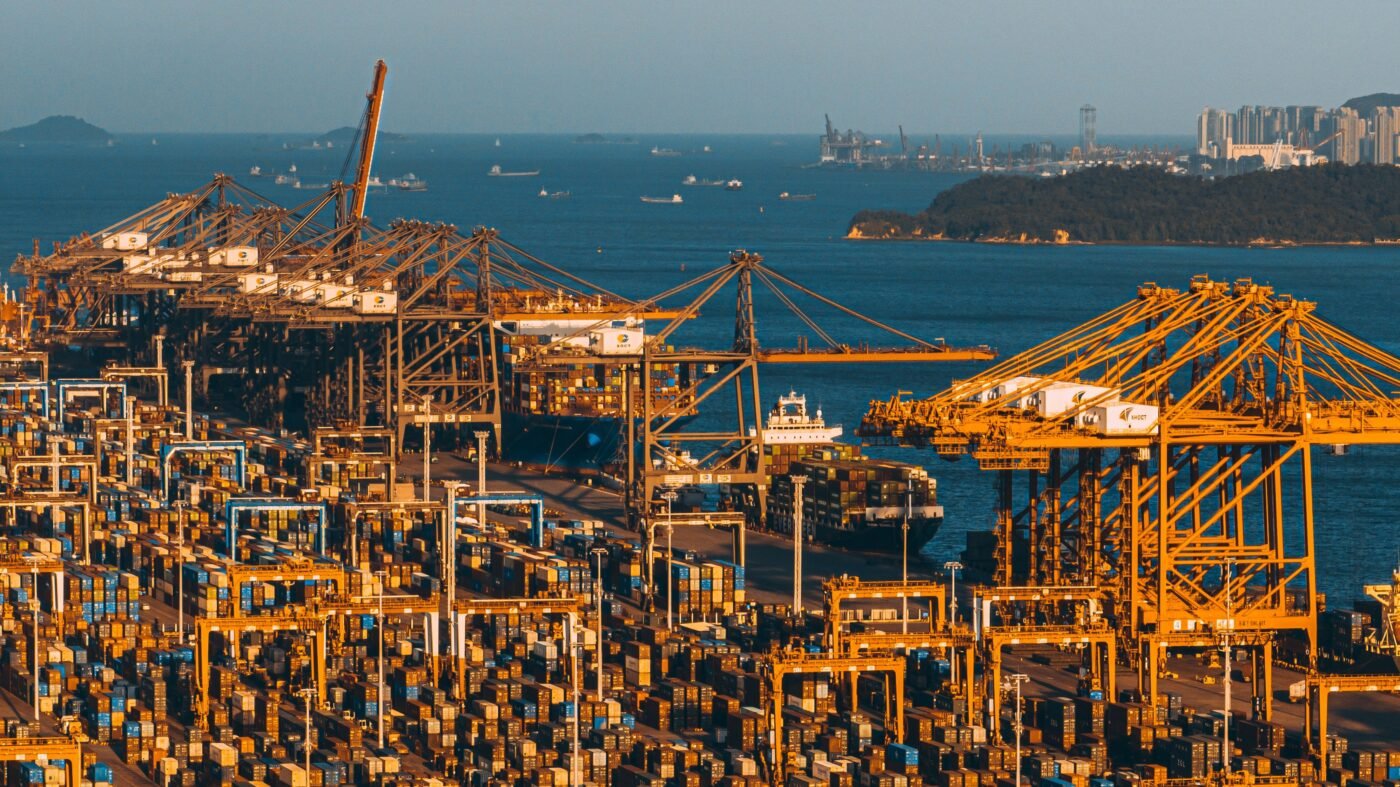
“China+1” — not putting all eggs in one basket — is restructuring the global electronics industry. Vietnam is the top “+1” destination: Samsung, Apple and legions of suppliers are already here. For Chinese investors in the electronics chain, this is both opportunity and puzzle: come to Vietnam to do what, with whom, and how to avoid predecessors’ mistakes.
1. What China+1 is and why it’s booming in electronics
- Definition: keeping the China footprint (market, supply chain) + adding a production base elsewhere to spread risk;
- Drivers: U.S.–China trade tensions and tariffs; supply-chain disruption risk (the COVID lesson); rising China costs;
- Why electronics leads: the electronics supply chain is the most globalised — components from dozens of countries; also the most tariff- and export-control-sensitive sector;
- Where Vietnam wins: a complete Samsung chain already exists — suppliers plug straight into a ready ecosystem.
2. Vietnam’s electronics supply chain: the reality
- Strengths: big assembly clusters (Bac Ninh, Bac Giang, Thai Nguyen) — Samsung and other majors; good IP infrastructure; abundant, dexterous, competitively-priced labour;
- Biggest weakness: supporting industries — most high-value components are still imported (from China, Korea, Japan); localisation rates remain low;
- Consequence: Vietnamese plants often still depend on Chinese components — costing logistics and carrying tariff/trade-remedy risk (see the Vina Solar lesson);
- Opportunity for Chinese investors: this very “weakness” is the opening — Chinese component makers entering Vietnam to supply locally to assembly plants.
3. China+1 models for Chinese electronics firms
- Model 1 — Assemble in Vietnam: shifting final assembly to Vietnam; components still from China — highest origin risk (see Vina Solar);
- Model 2 — Components in Vietnam: making components in Vietnam for assembly plants (Samsung and others) — high value-added, low origin risk;
- Model 3 — Full chain: bringing the whole cluster (components + assembly) to Vietnam — big investment but safest on origin and control;
- Model 4 — R&D + manufacturing: a Vietnamese R&D centre (leveraging engineers) + production — the long-term model;
- Recommendation: models 2 and 3 are most durable — model 1 needs careful trade-remedy risk assessment.
4. Challenge 1: Supporting industries and suppliers
- Finding local suppliers: Vietnamese firms in the electronics chain are still few — must pull Chinese suppliers along, or import;
- “Chain-pulling” strategy: big firms (like Chinese electronics majors) typically bring along 5–10 trusted suppliers to Vietnam — forming their own cluster;
- Quality standards: Vietnamese suppliers entering the chain need certifications (ISO, brand standards) — a time-consuming process;
- Legal note: long-term supply contracts — clear price, quality, confidentiality and penalty terms.
5. Challenge 2: High-skilled labour
- General labour: abundant and dexterous — the traditional strength;
- Engineers and managers: scarce — fierce competition among cluster plants; good-engineer salaries rising fast;
- Solutions: in-house training (upskilling good workers), partnering with local vocational schools/universities, retention policies (pay, benefits, career paths);
- Chinese experts: bring them for the initial technology transfer — but plan gradual localisation (work-permit + expat pay costs are high).
6. Challenge 3: Infrastructure — power and logistics
- Power: electronics manufacturing needs stable electricity — assess the IP’s supply capacity, with backup (generators) for sensitive equipment;
- Logistics: components from China — overland via border gates (fast) vs sea (cheap); finished goods out — near ports/airports;
- Warehousing: electronics chains need temperature/humidity-controlled storage for sensitive components;
- IP assessment: don’t stare at rent — check power, fire safety, wastewater, security.
7. Policy opportunities for electronics
- Investment incentives: hi-tech, large-scale projects may earn CIT incentives (holidays/reductions) under Investment Law 143/2025 and tax laws — check specific conditions (capital, technology, labour);
- Hi-tech parks: Hoa Lac (Hanoi), Da Nang, HCMC — dedicated infrastructure and incentives for hi-tech;
- Global minimum tax: note — incentives may be affected by the 15% global minimum tax (Pillar 2) that Vietnam has adopted;
- Recommendation: engage tax advisers before committing — model total tax after incentives.
8. China+1 checklist for Chinese electronics firms
- Strategy: which model (1–4)? Target markets (U.S., EU, domestic)?
- Supply chain: components from where — what China share? Localisation plans?
- Origin risk: trade-remedy risk assessed (the Vina Solar lesson)?
- Site: near which cluster (Samsung Bac Ninh? Apple?) — the 7 site criteria;
- Personnel: engineer hiring/training plans? Expat localisation?
- Infrastructure: power, logistics, warehousing assessed?
- Tax: incentives and global minimum tax modelled?
- Legal: IRC, ERC, land, environment, fire safety — full roadmap?
9. The “chain-pulling” playbook
- Map your chain: list every supplier whose components you need in Vietnam – tier 1 and tier 2;
- Rank by criticality: which suppliers are irreplaceable in the short term? Approach them first;
- Offer the package: shared IP shortlists, joint site visits, consolidated logistics – make the move cheaper together than alone;
- Sequence the moves: anchor tenant first, key suppliers within 6-12 months, secondary suppliers after;
- Formalise the cluster: supplier parks or adjacent plots in the same IP cut everyone’s logistics cost;
- The firms that pull their chain deliberately build moats; those that don’t inherit fragility.
10. Financing your Vietnam expansion
- Internal cash: simplest, but watch Chinese ODI and foreign-exchange filings for every cross-border movement;
- Onshore borrowing: Vietnamese banks lend to foreign-invested enterprises – rates and collateral terms vary; relationships matter;
- Offshore borrowing: parent guarantees enabling Vietnamese borrowing are common – structure them cleanly;
- Leasing: equipment leasing preserves cash for construction and working capital;
- Incentive-linked financing: some provinces connect investors with policy-bank windows – ask the IP board;
- Match financing currency and tenor to the project’s cash flows – dollar debt against dong revenues needs hedging thought.
11. Protecting IP and technology in Vietnam
- Register early: trademarks and patents should be filed in Vietnam before market entry – Vietnam is first-to-file;
- Employee IP: invention-assignment clauses in labour contracts and NDAs for R&D staff – standard, enforceable, essential;
- Supplier controls: limit technical disclosures to what’s necessary; use staged disclosure as trust builds;
- Enforcement reality: administrative enforcement is the practical route for most IP disputes – know the agencies;
- Trade secrets: Vietnam protects them, but your internal controls (access, marking, exit procedures) decide real safety.
12. Managing a cross-border team
- The first year: expect a Chinese-heavy management team – plant setup, technology transfer, supplier onboarding;
- Years two to three: promote Vietnamese deputies deliberately – the best retention tool is a visible career ladder;
- Language: invest in Vietnamese for Chinese managers and technical Chinese/English for Vietnamese leads – the communication tax is real;
- Culture: Lunar New Year, factory meals, safety culture – small things compound into loyalty or turnover;
- Compliance: labour, tax and environmental compliance sits with local management – train them, audit them, support them.
13. A realistic 18-month timeline
- Months 1-3: feasibility, site selection, IP shortlisting, adviser engagement;
- Months 4-6: IRC application, land lease signing, design and environmental procedures;
- Months 7-12: construction, equipment procurement and installation, core-team hiring;
- Months 13-15: trial production, fire-safety and environmental acceptance, ERC and tax registrations;
- Months 16-18: ramp-up, supplier localisation, management localisation planning;
- Buffer: add three months to whatever the most optimistic plan says – Vietnam rewards the prepared, not the rushed.
14. One page for headquarters
- Why Vietnam: complete electronics ecosystem, competitive costs, FTA market access – the leading China+1 destination;
- How: genuine local value-added (models 2-3), chain-pulling for suppliers, 18-month realistic timeline;
- Risks managed: origin compliance from day one, power and logistics verified, management localisation planned;
- Ask: approve feasibility funding and a site-survey trip – the numbers will speak for themselves.
Contact us
FLAT Law Firm advises Chinese investors throughout the Vietnam investment cycle — from deal structuring and licensing to operations and compliance. Contact us for advice tailored to your project.
This article has been quality-reviewed by the FLAW AI Legal Council