
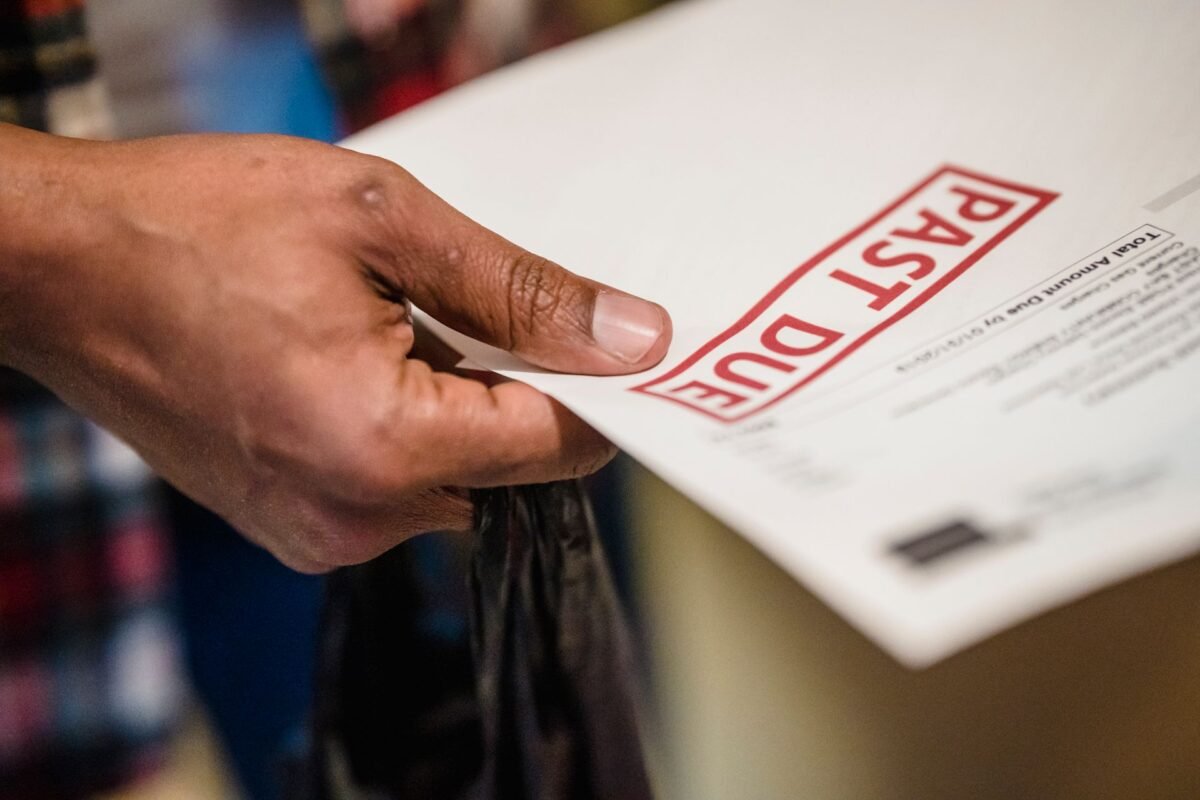
Debt recovery is a lender’s lawful right, but the line between recovery and mental terror is clear in Vietnamese law: hired debt collection services are banned, and every act of threatening, harassing or publicizing borrower information to apply pressure is a violation.
Legal basis to know
Debt collection services have been a prohibited investment business line under Vietnamese investment law since 1 January 2021, so credit institutions and finance companies no longer have the channel of hiring independent collection companies as before; recovery must be performed by the institution itself or permitted units within the legal frame. Threatening, insulting or harassing calls to borrowers and their relatives can draw administrative penalties under the security and order violation framework and criminal prosecution where threats or extortion are present. Posting a borrower’s information and images on social media to collect debt simultaneously violates data subject rights under the Personal Data Protection Law 91/2025/QH15 and personal rights under the Civil Code 2015.
How this applies in practice
The mistake many finance companies still make is assigning recovery targets on a results-only basis to teams or recovery partners, leading staff to cross the line while the company still bears management and reputational responsibility. A lawful recovery process must be documented: permitted contact channels, contact time windows, respectful communication scripts, a complaint mechanism and call recording supervision. For borrowers, knowing their rights helps them negotiate restructuring calmly instead of panicking into paying demands outside the contract.
What to do now
- Lenders should issue a written recovery procedure covering channels, time windows and communication scripts, with supervision and internal sanctions.
- Borrowers should preserve evidence of every threatening call and message, including numbers, times and content, as the basis for handling.
- Both sides should prioritize a written debt restructuring agreement when the borrower faces temporary difficulty, instead of letting the debt slide into prolonged arrears.
Frequently Asked Questions
May a finance company hire debt collectors?
No — because debt collection services have been a prohibited investment business since 1 January 2021, a finance company may not hire an outside collection company; recovery must be performed by the organization’s own staff or other lawful channels in full compliance with collection conduct rules.
What should a borrower do about terror collection calls?
The borrower should stay calm and gather evidence: record calls, screenshot messages, note numbers and times, then complain to the finance company through its official channel, report to the police if threatened, and request a written debt restructuring if the difficulty is temporary.
Is posting borrower information online to collect debt a violation?
Yes, posting a borrower’s or their relatives’ personal information and images online to pressure payment violates the Personal Data Protection Law 91/2025/QH15 and personal rights under the Civil Code 2015; the posted person may demand removal, an apology, compensation and report to competent authorities.
Related articles
- Policy Lending: Preferential Packages for Agriculture, SMEs and Social Housing
- Scenario: If Banks Tighten Credit Room, Where Can Businesses Raise Capital?
- Green Loans and Green Bonds: Standards and Banking Practice
- Financial and Banking Reform Roadmap 2026-2030
- Weak Bank Resolution: Mandatory Transfer Mechanisms and Opportunities
This legal analysis has been verified against current Vietnamese regulations and cross-border FDI transaction practices by the attorneys at FLAT LAW FIRM.

