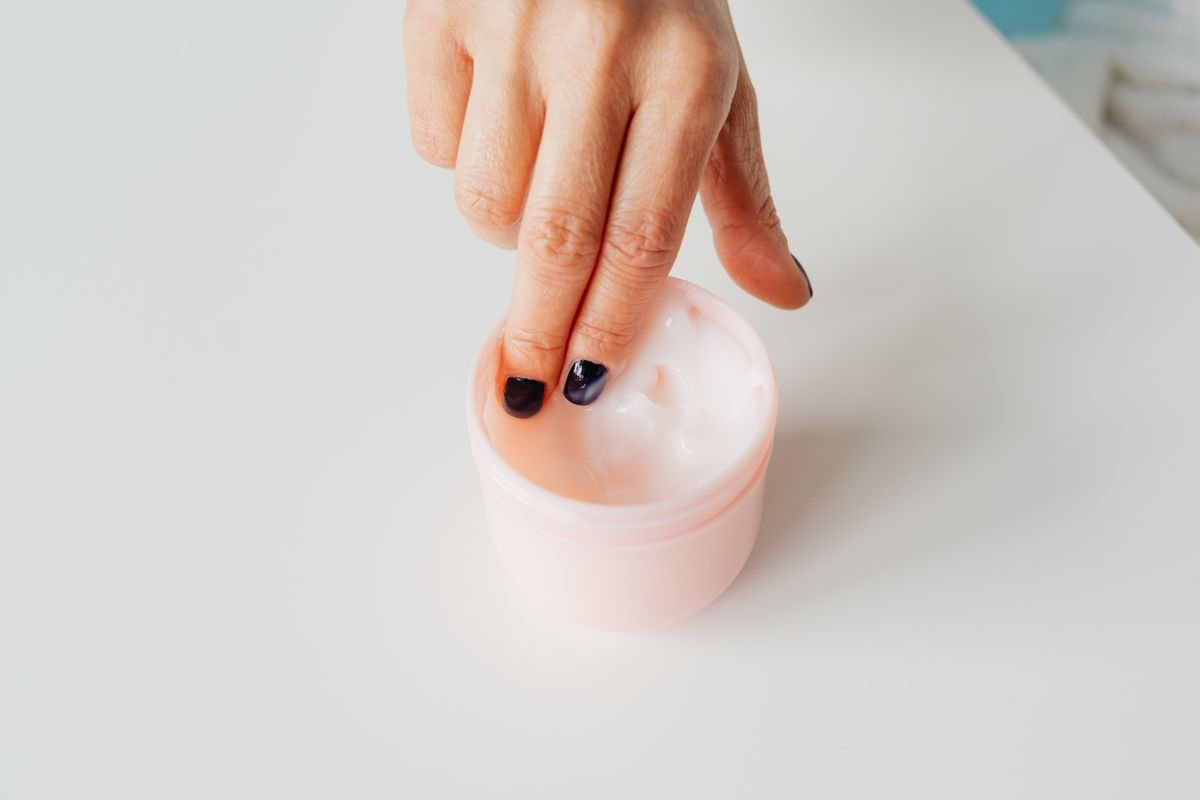
A consumer develops a rash from a cosmetic cream — who pays: the distant manufacturer, or the shop that sold it? Under Vietnam’s Law on Protection of Consumer Rights 2023, the answer is clear: the distributor/retailer who directly supplied the product must also compensate — even if it did not know of, and was not at fault for, the defect.
This article analyzes distributor liability for compensation when cosmetics cause allergies or skin irritation.
1. Applicable legal framework
- Law on Protection of Consumer Rights 2023 (19/2023/QH15, effective 01/7/2024): Article 34 (compensation for damage caused by defective products), Article 35 (exemptions);
- Civil Code 2015: non-contractual damage compensation; limitation period of 03 years;
- Decree 117/2020/ND-CP (amended by Decree 124/2021/ND-CP): sanctions for cosmetics production and trading violations.
2. “Strict liability”: no need to prove fault
Article 34.1 of the Law on Protection of Consumer Rights 2023 provides: business organizations and individuals must compensate when a defective product causes damage to consumers’ life, health or property — even if they did not know of, or were not at fault for, the defect.
This means an allergy sufferer does not have to prove the shop was “intentional” or “negligent” — only: (a) the product was defective; (b) they suffered health damage; (c) causation between the two.
3. The distributor is an independent liable party
Article 34.2 lists the liable parties, including “organizations and individuals directly supplying products to consumers” — distributors, agents and retail shops. More importantly, Article 34.3 provides: if the manufacturer, importer and other parties cannot be identified, the direct supplier must compensate.
Where multiple parties jointly cause the damage (e.g., the manufacturer used a banned ingredient and the distributor stored it improperly), they are jointly liable (Article 34.4).
4. When is a product “defective”?
Not every allergy case means a defective product. The law targets defects making the product unsafe beyond what consumers can reasonably expect:
- Banned ingredients or concentrations exceeding permitted limits;
- Failure to meet declared quality standards;
- Misleading labels, missing warnings about known allergy risks;
- Production at unqualified facilities, “kem tron” products of unknown origin.
An allergy stemming from an individual’s special sensitivity to a lawful, properly warned ingredient is unlikely to qualify as a product defect.
5. Scope of compensation and limitation period
Compensation follows civil law, covering: medical expenses; lost or reduced income; remediation costs; and moral damages. The limitation period for compensation claims is 03 years from when the victim knew or should have known of the infringement.
A distributor is exempt only by proving one of the Article 35 cases — and the burden of proof lies with the business, not the consumer.
6. Practical recommendations
For consumers: keep invoices, packaging and product samples; seek medical examination and keep records noting the cause; negotiate first, complain to authorities, then sue if needed.
For distributors: verify the cosmetic product notification dossier and origin before stocking; keep import records to identify the manufacturer/importer for recourse; never trade in cosmetics of unknown origin.
Does your cosmetics business need a legal review of distribution-chain liability? Contact us for advice.
This article was prepared by the FLAW AI Legal Council. It is pending QA Council review and owner approval before publication. The information is for reference only and does not replace legal advice for your specific case.