
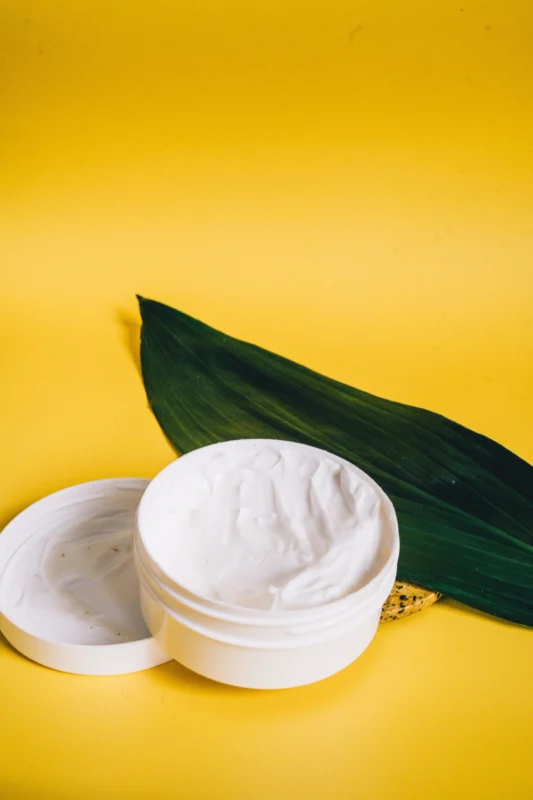
Manufacturing cosmetics in Vietnam — from skincare creams and lipsticks to facial cleansers — is a conditional business activity. Before any product reaches the market, the manufacturing site must hold a Certificate of Eligibility for Cosmetics Manufacturing. This guide summarizes the facility, personnel and quality-management requirements, and the licensing procedure, under current Vietnamese law.
1. What Is the Certificate of Eligibility for Cosmetics Manufacturing?
Under Article 3 of Decree 93/2016/ND-CP (on conditions for cosmetics manufacturing, still in force), a cosmetics manufacturing site may only operate after being granted the Certificate of Eligibility for Cosmetics Manufacturing. Three distinct tracks must not be confused:
- Domestic manufacturing: requires the manufacturing eligibility certificate plus a product notification for each product before circulation.
- Imported cosmetics: no manufacturing certificate is needed — only a cosmetic product notification (receipt number of the notification dossier).
- Export: subject to the destination market’s rules and Vietnamese customs procedures.
Note: the statutory certificate should not be confused with generic “GMP certificates” that are not provided for in the legal texts.
2. Applicable Legal Framework (in force as of 14 October 2026)
- Decree 93/2016/ND-CP (effective 1 July 2016) — conditions for cosmetics manufacturing; still in force, partially amended (Articles 12–13) by Decree 155/2018/ND-CP (effective 12 November 2018).
- Consolidated document 18/VBHN-QD-BYT (26 September 2026) — guidance on ASEAN CGMP principles and standards (ASEAN Cosmetic Good Manufacturing Practice).
Watch-out: a draft decree on cosmetics management (expected to replace Decree 93/2016) had not been issued as of 14 October 2026. Investors should monitor for updates once the new text takes effect.
3. Conditions for Granting the Certificate (Article 4, Decree 93/2016 as amended by Decree 155/2018)
3.1. Personnel
The person in charge of production must have professional knowledge in chemistry, biology, pharmacy or another relevant discipline meeting the job requirements.
3.2. Facilities
The location, area, workshops and equipment must be suitable for the production line and the registered product types, including:
- Separate warehouses for raw materials, packaging materials and finished products;
- Dedicated areas for flammable/explosive substances, highly toxic substances, and rejected, recalled or returned materials and products.
3.3. Quality Management System
- Raw materials, excipients and semi-finished products must meet quality standards published by the establishment (as amended by Decree 155/2018);
- Water used in manufacturing must at minimum meet the national technical regulation on drinking water quality issued by the Minister of Health;
- A manufacturing process for each product;
- A quality-control unit;
- Complete record retention.
All operations follow the ASEAN CGMP guidance (18/VBHN-QD-BYT).
4. Application Procedure
- File the dossier: one set of documents with the Department of Health of the province where the factory is located.
- Receipt: the Department of Health issues a receipt slip within 2 working days of receiving the dossier.
- Appraisal and issuance: on-site appraisal and issuance of the certificate within 30 days of receiving a complete and valid dossier (appraisal fee applies).
5. After the Certificate: Notify Each Product
The manufacturing eligibility certificate does not replace product notification. Before circulation, each cosmetic product must be notified and assigned a notification receipt number.
6. Common Pitfalls and Recommendations
- Manufacturing without the certificate: administrative penalties and forced suspension.
- Mixing up the import and manufacturing tracks: imports only need product notification — but packaging or processing in Vietnam may be deemed manufacturing, so assess the model carefully.
- Failing to maintain CGMP conditions: the certificate may be revoked upon post-licensing inspection.
- Ignoring the draft replacement decree: conditions and procedures may change once the new text replacing Decree 93/2016 is issued.
7. Frequently Asked Questions
Does a small cosmetics toll-manufacturing workshop need the certificate?
Yes. Every cosmetics manufacturing site, regardless of scale, must hold the certificate before operating (Article 3, Decree 93/2016).
Can we sell products right after obtaining the certificate?
Not yet. Each product must still go through product notification and receive a notification receipt number before circulation.
Do imported cosmetics need a manufacturing certificate?
No. Imports only require product notification; the manufacturing eligibility certificate applies solely to domestic manufacturing sites.
What qualifications must the person in charge of production have?
Professional knowledge in chemistry, biology, pharmacy or another relevant discipline, meeting the job requirements (Article 4, Decree 93/2016).
8. Legal Sources
- Decree 93/2016/ND-CP on conditions for cosmetics manufacturing (effective 1 July 2016).
- Decree 155/2018/ND-CP amending Decree 93/2016/ND-CP (effective 12 November 2018).
- Consolidated document 18/VBHN-QD-BYT guiding ASEAN CGMP principles and standards (26 September 2026).
Validity status checked on 14 October 2026 via thuvienphapluat.vn.
Transparency Note
This article is for general reference only and does not constitute legal advice for your specific case. It has been quality-checked by FLAT’s AI Legal Council; it is not a conclusion reviewed by a licensed human lawyer.
Contact Us
Planning to invest in a cosmetics factory in Vietnam? Contact FLAT Law Firm for advice on legal conditions, dossier preparation and the licensing process.


