
Mrs. Lan (Vietnamese-German) died in Berlin, leaving a condo in Ho Chi Minh City, bank accounts in Germany and company shares in Singapore. Three countries, three legal systems — which country’s law divides her estate? This is cross-border succession, where “one law for everything” does not exist.
The golden rule: immovables follow the law of their location
Private international law on succession runs on two tracks. For immovables, most systems — including Vietnam’s — apply the law of the country where the property sits. Mrs. Lan’s HCMC condo therefore follows Vietnamese law: distribution under a will (if lawful under the 2015 Civil Code) or by statute with its three heir ranks (Article 651).
For movables (bank accounts, shares), the common rule is the law of the decedent’s last residence or nationality — depending on each country’s system. Her German accounts most likely follow German law. Result: one estate, several laws applying to different asset groups.
Cross-border paperwork: legalisation is the mandatory gate
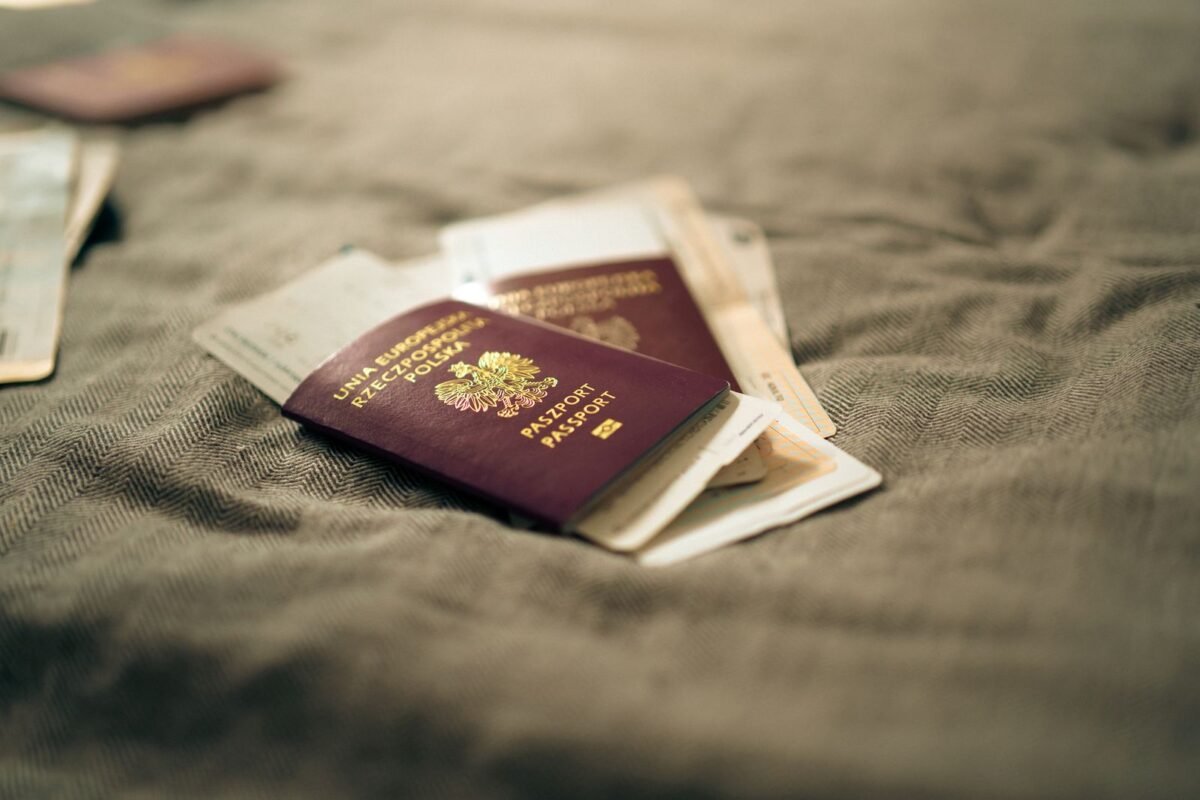
A German death certificate for use in Vietnam (to declare the condo inheritance) must be consular-legalised or Apostilled. Good news: Vietnam has joined the Hague Apostille Convention — Decree 293/2026/ND-CP effective 11 September 2026, in force on 19 October 2026. Documents from member states need only an Apostille, not multi-layer consular legalisation.
The reverse is equally true: a Vietnamese estate declaration for claiming the German/Singapore accounts needs legalisation for foreign authorities to accept.
Three things to do before it is too late
- Make a separate will for Vietnamese assets in 2015 Civil Code form — do not expect a German will to automatically “run” in Vietnam.
- Standardise cross-border identity papers: passports, birth and marriage certificates of Vietnamese abroad should be legalised/translated in advance.
- Name a coordinator in Vietnam: authorise a relative in Vietnam to handle declarations and title transfers — sparing heirs in three countries a simultaneous flight home.
FAQs
Is a German will effective for the condo in Vietnam?
In principle, a will’s form is recognised if valid where made or under Vietnamese law. But dispositions of Vietnamese real estate must fit Vietnamese law (e.g. ineligible foreigners take only value under the 2023 Housing Law). A separate Vietnamese will is far safer in practice.
Must heirs abroad return to Vietnam for procedures?
No. They may authorise someone in Vietnam with a legalised/Apostilled power of attorney. Some notarial practices verify foreign-element identities strictly, so prepare early.
Does Apostille work with every country?
No — only between Hague Convention members. Vietnam has joined (Decree 293/2026), but some states (Germany, Austria, Czechia) objected to Vietnam’s accession, so traditional consular legalisation still applies with them.
Contact us
FLAT Law Firm advises foreign nationals and their families on inheritance, wills, driving licences, health insurance and money transfers in Vietnam. Contact us for advice on your specific case.
Related articles
- ODA-Funded Projects in Vietnam: Management and Investment Procedures
- Public-Private Partnership (PPP) Investment in Vietnam: Sectors and Investor Selection
- Procurement for FDI Projects Using International Loans: Conflicts Between Lender Rules and Vietnam's Bidding Law
- Expressway and Seaport Investment Under the 2026-2030 Plans: Opportunities for Foreign Investors Beyond the PPP Form
- Industrial Park Infrastructure Projects in Cooperation With Private Infrastructure Investors: Power, Water and Wastewater Utilities
This legal analysis has been verified against current Vietnamese regulations and cross-border FDI transaction practices by the attorneys at FLAT LAW FIRM.

