
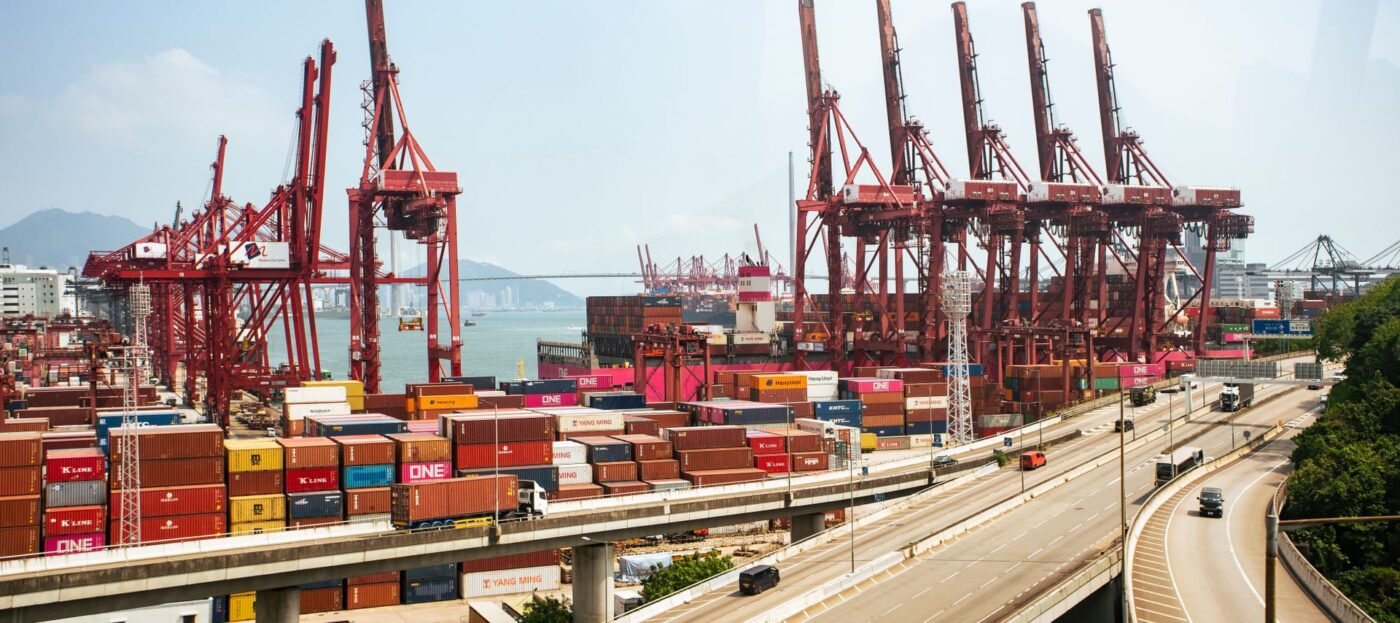
Goods in transit — moving from one foreign country to another merely across Vietnamese territory, without being consumed in Vietnam — are routine on China–Laos/Cambodia/Thailand logistics routes. Although they never enter the domestic market, transit goods remain under customs supervision for the entire journey and must clear procedures at both the entry and exit border gates. This article summarises the regulations in force as of 14 October 2026.
What are transit goods? Distinguishing transit, temporary import for re-export, and transhipment
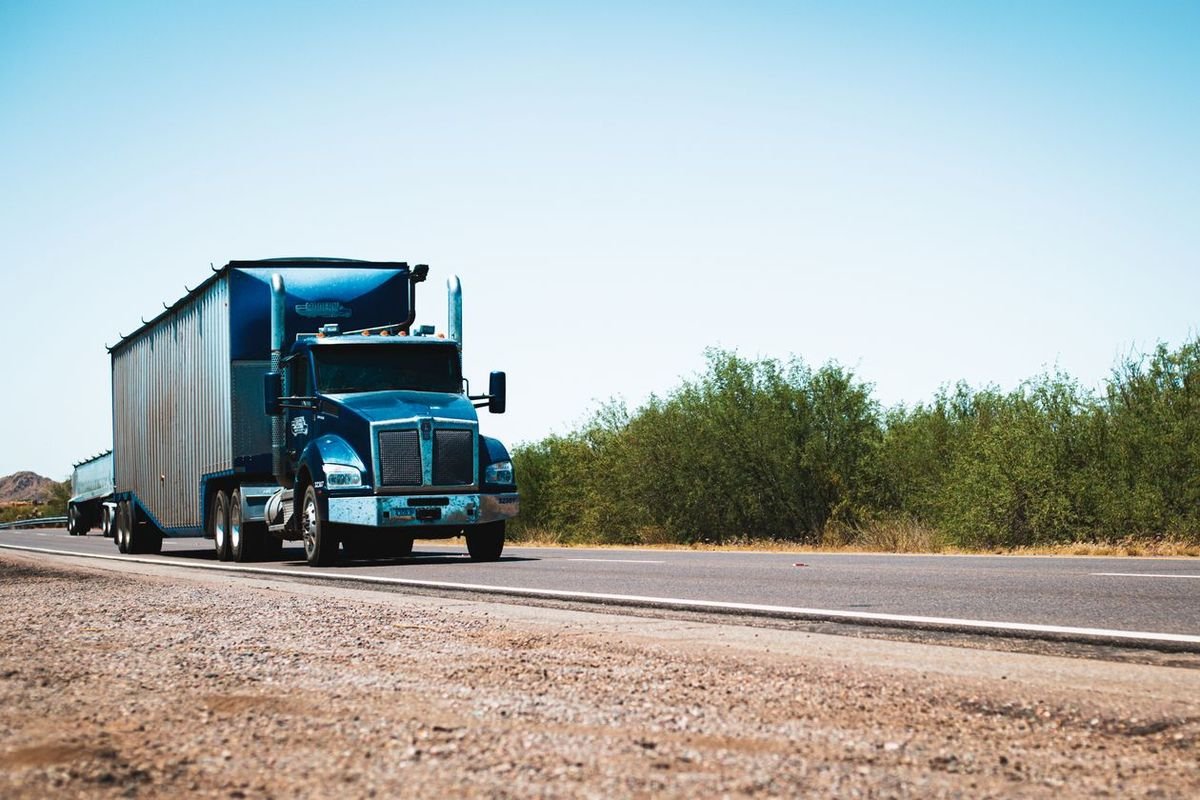
Transit goods are goods of foreign organisations or individuals transported across Vietnamese territory from the entry gate to the exit gate without being consumed in Vietnam. Unlike goods temporarily imported for re-export (which may be processed or used before re-export), transit goods merely “pass through”. Transhipped goods — unloaded and transferred to another means of transport at a port — are a related but procedurally distinct category.
Principles of transit across Vietnamese territory

Under Articles 43 and 44 of the Foreign Trade Management Law 05/2017/QH14 (in force):
- Goods not on the lists of prohibited or temporarily suspended exports/imports may transit Vietnamese territory;
- Transit goods are subject to customs supervision for the entire transit period;
- Goods must enter and exit through the designated border gates;
- Transit goods consumed domestically must follow import management rules (i.e. be cleared as imports: duties and import policies apply).
Which goods may transit? When is a Ministry of Industry and Trade transit permit required?
For goods subject to export/import prohibition, temporary export/import suspension, or business prohibition, the goods owner submits one dossier requesting transit permission to the Ministry of Industry and Trade. Within 07 working days of receiving a complete valid dossier, the Ministry issues the Transit Permit. Legal basis: Clauses 1 and 2, Article 44 of the Foreign Trade Management Law 05/2017/QH14. The permit must be obtained before customs procedures.
Customs procedures for transit goods: where and what dossier?

Customs procedures are carried out at the first entry gate and the last exit gate. Legal basis: Articles 64 and 65 of the Customs Law 54/2014/QH13; detailed in Article 43 of Decree 08/2015/ND-CP, as amended by Clause 23, Article 1 of Decree 167/2025/ND-CP (effective 15 August 2025). Note: older articles citing “Clause 19, Article 1 of Decree 59/2018” on this matter are obsolete — Decree 59/2018 has been fully repealed.
The customs dossier for transit goods includes:
- Customs declaration or a substitute document; where detailed declaration is not possible, a detailed transit-goods schedule in the form prescribed by the Minister of Finance;
- Transport documents (by sea, air or rail): 01 copy;
- Transit permit; specialised-inspection result notice (if any): 01 original.
Transit under multilateral transit agreements to which Vietnam is a party follows separate Government regulations — Article 43 does not apply wholesale.
How are the first entry gate and last exit gate determined?
Under Clause 1, Article 43 of Decree 08/2015/ND-CP (as amended by Clause 23, Article 1 of Decree 167/2025/ND-CP), the first entry gate is determined by mode of transport:
- By sea or air: the destination port stated on the bill of lading (if the destination is not a seaport/airport, the port of discharge when the vessel enters);
- By rail: the international intermodal railway station at the border;
- By road or inland waterway: the international border gate where the goods enter Vietnamese territory;
- By post or express delivery: the centralised collection, inspection and supervision site for postal/express goods.
Goods may transit only through international border gates and along the routes across Vietnamese territory prescribed by the Minister of Transport. Changing routes during transit requires the Minister of Transport’s permission (Article 46 of the Foreign Trade Management Law).
Maximum 30-day transit period and extension
The maximum transit period is 30 days from the date customs procedures are completed at the entry gate (not the date the goods arrive). Legal basis: Article 47 of the Foreign Trade Management Law 05/2017/QH14.
Extensions are granted for the necessary period where: goods are warehoused in Vietnam; goods are damaged or lost; or the vehicle carrying transit goods breaks down. Extensions require approval from the customs authority handling the transit procedures; for goods under Clauses 1 and 2 of Article 44 (prohibited/suspended/prohibited-business goods), extension requires the Minister of Industry and Trade’s permission.
Responsibilities of the customs declarant transporting transit goods
The customs declarant (including transit/transhipment service providers — independent declarants under Clause 4, Article 5 of Decree 08/2015, as amended by Decree 167/2025) must:
- Perform obligations under Clause 4, Article 25 of Decree 08/2015;
- Transport via the correct route, gates and within the time limit (Clause 1, Article 65 of the Customs Law);
- Keep goods intact with customs seals and carrier seals — in force-majeure cases where this is impossible, immediately notify the customs authority (or the police/border guard/coast guard/local authority if customs cannot be notified immediately);
- Use means of transport meeting customs supervision conditions (Clause 2, Article 71 of the Customs Law).
Consolidating transit goods with export goods — new rules from Decree 167/2025
Consolidation of transit goods with export goods is permitted only when all of the following are met:
- Transit goods and export goods are packed separately;
- The transit goods are not on the list of items subject to the Prime Minister’s transit permission authority;
- Consolidation is carried out only at the less-than-container-load collection site at the last exit gate or at the centralised collection, inspection and supervision site for postal and express goods.
Key change: under Point e.3, Clause 3, Article 43 of Decree 08/2015 (as amended by Clause 23, Article 1 of Decree 167/2025), inland CFS warehouses may no longer consolidate transit goods with export goods. Additional note: the Ho Chi Minh City Import-Export Association (HIEA) petitioned (March 2026) to amend Point e.3 to allow inland CFS consolidation to continue — this is a petition, not law; businesses must follow the current regulation above.
Penalties for exceeding the transit time limit
Exceeding the 30-day transit period without an approved extension violates customs time-limit rules and is subject to administrative penalties under Decree 169/2026/ND-CP (effective 1 July 2026, replacing Decree 128/2020/ND-CP). Exact fine amounts should be verified directly against Decree 169/2026/ND-CP.
Frequently asked questions
Are transit goods subject to import duty?
Transit goods not consumed in Vietnam incur no import duty; but if consumed domestically, they must be cleared as imports, subject to duties and import policies.
When does the 30-day period start?
From the date customs procedures are completed at the entry gate, not the date the goods arrive at the gate.
May a forwarder declare transit goods in its own name?
Transit/transhipment service providers are independent customs declarants under Clause 4, Article 5 of Decree 08/2015 (as amended by Decree 167/2025).
This information is for reference only and does not constitute legal advice.
For reference only, not legal advice. Content quality-checked by the AI Legal Council; not yet reviewed by a human lawyer.


