
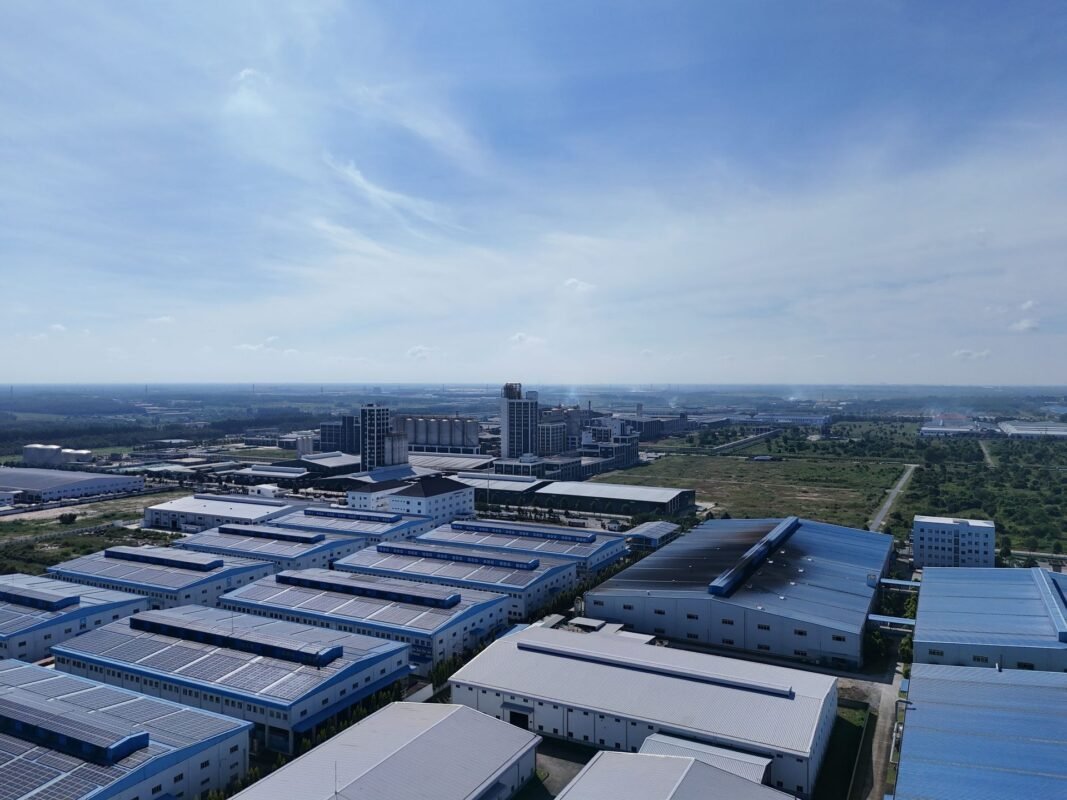
Siting a data center in an ordinary industrial park does not wipe out all incentives as many investors fear, because Vietnam’s investment incentive system runs on three independent axes: sector, location and project scale. A project in the information technology infrastructure and data center fields on the incentivised sector list under Investment Law No. 143/2025/QH15 keeps its corresponding tax incentives in an ordinary park, and if the park sits in a difficult socio-economic area, the location axis adds its own relief. What is mainly lost is land rent relief and the special support mechanisms attached only to high-tech parks and certain special functional zones.
Incentives do not vanish, but their legal basis changes
The second difference is state management and infrastructure. Industrial parks operate under Decree 35/2022/ND-CP on management of industrial parks and economic zones, with management boards running part of the one-stop procedures but less deeply than hi-tech parks on technology-sector formalities. More importantly, a park’s power and telecom infrastructure is designed for production plants: reserve capacity, numbers of independent power feeds and carrier density in the area may not meet data center needs, and the upgrade investment is usually negotiated and funded by the investor with the utility and carriers, rather than being ready park infrastructure.
Ordinary parks require self-verification of infrastructure
Land in an ordinary park is subleased from the park infrastructure investor with infrastructure in place, for a term following the park project’s remaining life. A data center investor must diligence three points: whether the sublease term is long enough for its own project life, because subleasing near the end of the park cycle creates chained renewal risk; whether construction of a facility with the load and height specifics of a data hall is permitted; and the right to install private infrastructure — fiber routes into the park, generators and fuel storage on the leased plot — items park regulations often restrict for general safety reasons.
When an ordinary industrial park is the right choice
An ordinary park is the right choice where the project prioritises speed of land access and lower rent, its target customers are manufacturers in that same area, and it does not depend on high-tech status for decisive financial incentives. The decision should be closed with a lifecycle cost table covering rent, self-funded power and connectivity upgrades, and the value of incentives forgone, instead of the first-year rent gap alone — a figure that usually misleads in the ordinary park’s favour while the self-funded infrastructure bill is far larger.
Frequently Asked Questions
What incentives does a data center in an ordinary industrial park get?
Sector-based incentives and difficult-area location incentives where applicable still apply under Investment Law 143/2025/QH15; what is absent is hi-tech park land rent relief and its special support mechanisms.
Does an ordinary park have enough power and telecoms for a data center?
Not by default: park infrastructure is designed for production plants, so investors must verify reserve capacity, independent feed counts and local carriers, and usually fund the upgrade gap themselves.
What should a park land sublease for a data center watch for?
The remaining sublease term versus project life, permission for high-load facility construction, and rights to install private fiber routes, generators and fuel storage on the leased plot under park rules.
Related articles
- Green Loans and Green Bonds: Standards and Banking Practice
- Scenario: If Banks Tighten Credit Room, Where Can Businesses Raise Capital?
- Policy Lending: Preferential Packages for Agriculture, SMEs and Social Housing
- Independent Audits of Credit Institutions: New Requirements
- NPL Resolution (VAMC): New Mechanisms and Debt Trading Market
This legal analysis has been verified against current Vietnamese regulations and cross-border FDI transaction practices by the attorneys at FLAT LAW FIRM.

