
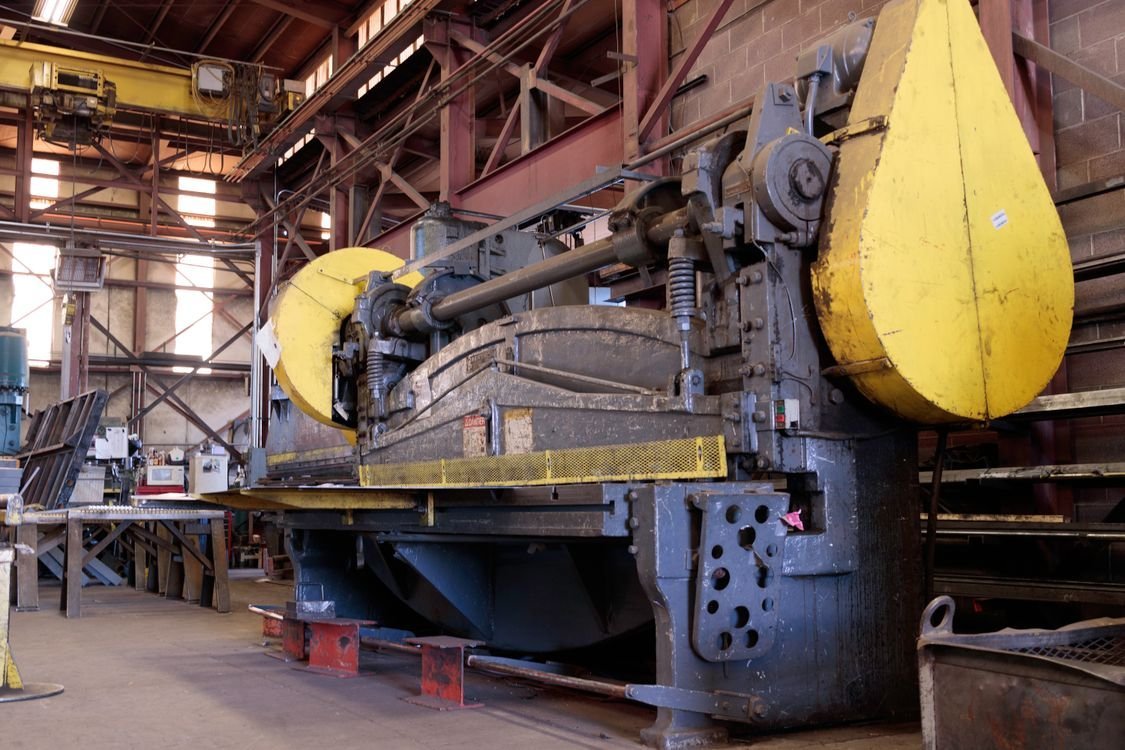
An expensive imported machine malfunctions shortly after commissioning and causes a workplace accident. The manufacturer sits abroad while the domestic importer passes the buck. Vietnamese law gives the injured party more than one route to compensation — the question is which route is the smartest.
1. Legal basis: strict liability for defective products
The 2023 Law on Protection of Consumers’ Rights (19/2023/QH15, effective 01/7/2024) imposes strict liability: businesses are liable for damage caused by defective products without the victim having to prove their fault — instead, the business must prove the product was not defective. Article 608 of the Civil Code 2015 likewise requires producers and traders of substandard goods that harm consumers to compensate. For a work accident, both the worker (or their relatives) and the damaged enterprise may claim, under Articles 584, 589 and 590 of the Civil Code 2015 on health, life and property damage.
2. Whom to sue? Target the defendant you can actually collect from
In principle every link in the supply chain — foreign manufacturer, importer, domestic distributor — may be liable. But the practical priority is suing the importer or distributor in Vietnam: jurisdiction is straightforward, service is easy, and most importantly enforcement is realistic because their assets are domestic. Suing the foreign manufacturer directly in a Vietnamese court is possible for foreign-element disputes under the 2015 Civil Procedure Code, and the international sale contract (including the CISG where applicable) grounds warranty and damages claims. Still, expect three major hurdles: service of process abroad through slow judicial-assistance channels; gathering evidence of design or manufacturing defects overseas; and recognition and enforcement of a Vietnamese judgment abroad — not every country has a judicial-assistance treaty with Vietnam.
3. Evidence decides the case
Prepare: the import contract, CO/CQ documents, handover acceptance records; operation and maintenance logs proving proper use; an independent expert conclusion on the defect (design, manufacture or instructions); the work-accident file and full damage documentation. Note the 3-year limitation period for damages claims under Article 429 of the Civil Code 2015 — do not let negotiations run out the clock.
4. Prevention starts at purchase
Commission independent quality inspection before accepting the machine and before commissioning; write warranty, penalty, governing-law and dispute-resolution clauses into the contract; carry adequate work-accident and property insurance; train operators thoroughly and keep training records. A good purchase contract costs far less than a cross-border lawsuit.
Related articles
- Cybersecurity: Vietnamese user data storage by FDI companies
- Fintech app lending fees and interest: current legal caps
- Data localization for fintech companies in Vietnam: rules
- Open banking and API data sharing: current regulations
- Foreign-invested digital banks (neobanks) in Vietnam: legal framework and licensing
This legal analysis has been verified against current Vietnamese regulations and cross-border FDI transaction practices by the attorneys at FLAT LAW FIRM.

