
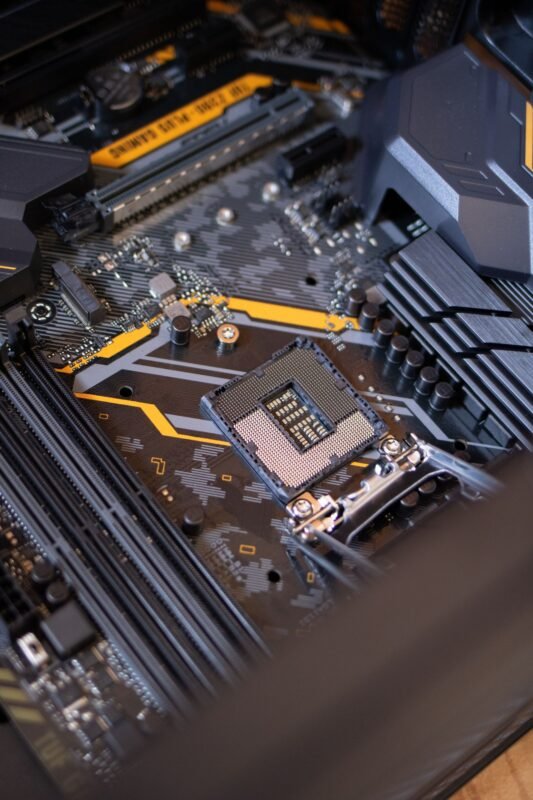
An electronics manufacturer files its trademark in Class 9 and believes the job is done. Then its app launches under the same brand (software — also Class 9, but a different specification), its service centres open (Class 37), and a boot-up jingle becomes iconic (sound mark). Each step is a separate protection question. For technology companies, trademark strategy is a system — and Class 9 alone is rarely the whole answer.
Legal basis
Law on Intellectual Property 50/2005/QH11, amended by Law 07/2022/QH15 (effective 01/01/2023) and Laws 93/2025/QH15 and 131/2025/QH15 (effective 01/04/2026); consolidated document 67/VBHN-VPQH 2026. Decree 65/2023/ND-CP details industrial property. Vietnam applies the Nice Agreement (45 classes), current version. Article 119 sets the examination track (1-month formality, 1-month publication, 5-month substantive examination; a 3-month fast-track examination is available under Clause 2a of Article 119); certificates last 10 years and are renewable. Sound marks have been expressly recognised since the 07/2022 amendments. All instruments remain in force as of the writing date.
The Nice map for electronics and technology
- Class 9: electronic apparatus and instruments, semiconductors, computers, smartphones, software, downloadable applications;
- Class 37: installation, maintenance and repair of electronic equipment (brand-owned service centres);
- Class 38: telecommunications services (for brands offering connectivity);
- Class 42: software development, cloud and IT services sold under the brand;
- Class 35: retail of electronic devices through branded stores or platforms.
Class 9 is vast — the specification wording matters. “Computer software” and “downloadable mobile applications” are both Class 9 but distinct items; an application filed years ago for “semiconductor chips” does not automatically cover the app launched later. When drafting specifications, list the items the business actually sells today plus the adjacent items on the 3-year roadmap.
Sound marks: newly available since 2022
Since the 07/2022 amendments took effect, Vietnam recognises sound marks. The boot-up jingle of a device, the notification tone of an app — these audio signatures can now be registered if they are distinctive and represented graphically (musical notation, for example). For electronics brands whose users hear the brand before they see it, this is a protection layer that did not exist a few years ago. Examination practice for sound marks is still developing, so applications should include strong evidence of distinctiveness.
The OEM/ODM question: whose mark is on the circuit board?
Vietnam’s electronics sector runs heavily on OEM/ODM manufacturing. A foreign brand owner having devices assembled in Bac Ninh or Bac Giang should keep three things straight: (1) the trademark belongs to the brand owner, not the factory — registration should be in the owner’s name from day one; (2) the manufacturing agreement should state that the factory uses the mark only on the owner’s orders and has no right to it; (3) where the factory is authorised to handle customs or enforcement locally, a recorded licence helps. Disputes where factories register the client’s mark in their own name are a classic — and entirely preventable — loss.
Action checklist
- Draft Class 9 specifications to cover hardware, software and apps — today’s products and the 3-year roadmap.
- Add Classes 37, 38, 42 and 35 where the brand extends into services and retail.
- Consider sound-mark protection for signature audio identifiers.
- In OEM contracts, fix trademark ownership and usage limits in writing; register in the brand owner’s name.
- Run conflict searches and file early — about 7 months under Article 119 (3 months on the fast-track route); keep use evidence against five-year non-use cancellation (Articles 95, 136).
Frequently asked questions
1. Is a sound mark really registrable in Vietnam?
Yes — expressly since the 07/2022 amendments (effective 01/01/2023). The sound must be distinctive and graphically representable; examination practice is still maturing, so prepare distinctiveness evidence.
2. Does a Class 9 filing for hardware cover our mobile app?
Only if the specification includes software/downloadable applications. “Semiconductor chips” does not cover “downloadable mobile applications” — check the specification wording of the existing filing.
3. Our brand’s service centres — do they need a separate class?
Yes: Class 37 for installation, maintenance and repair services. Class 9 protects the devices, not the service activity.
4. The factory wants to register our mark locally “to help” — should we agree?
No. The mark should be registered in the brand owner’s name. If the factory needs local enforcement capacity, grant a recorded licence instead of transferring ownership.
5. How do we stop counterfeit devices bearing our brand?
A registered certificate is the basis for market-surveillance and customs action under Decree 99/2013/ND-CP (amended by Decree 126/2021/ND-CP). Record the mark with customs after grant.
IP advice for FDI enterprises
For electronics and technology companies, the trademark is the thread tying hardware, software and services into one brand — and it must be filed to cover all three. FLAT LAW FIRM advises foreign investors on specification drafting, sound marks, OEM trademark clauses and enforcement. Contact us for advice tailored to your case.
This article provides general legal information and does not substitute advice for specific cases.
Related articles
- AI-Generated Works: Who Owns the Copyright in Vietnam?
- Trade Secrets in Software Outsourcing Contracts with Vietnamese Workshops: Special Terms
- Proving Reasonable Confidentiality Measures for Trade Secret Protection
- NDA Expired but the Secret Still Has Value: Do Obligations Survive?
- Protecting Trade Secrets in Data Rooms During Project Sales
This legal analysis has been verified against current Vietnamese regulations and cross-border FDI transaction practices by the attorneys at FLAT LAW FIRM.

