
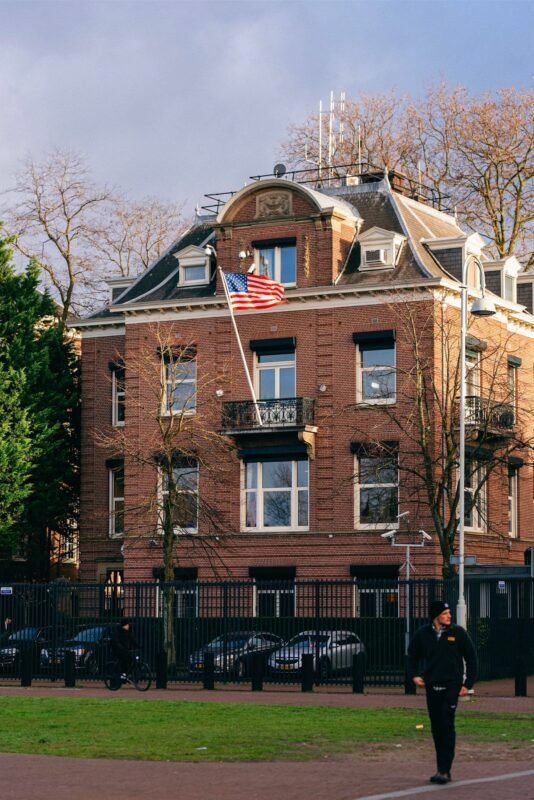
In trouble abroad, many people think of their Embassy first — but not everything is within its power. Understanding consular protection helps you ask the right place at the right time.
What the Embassy CAN do
Under the 1963 Vienna Convention on Consular Relations, consular officers protect their nationals: 1. Passports: replacing lost/expired/damaged passports; emergency travel documents. 2. Emergencies: help after accidents, natural disasters, deaths (guiding procedures, contacting family). 3. Detention: consular visits to detainees, ensuring lawful treatment, notifying family, providing lawyer lists. 4. Special repatriation: helping destitute citizens return home in exceptional cases (usually as a repayable advance).
What the Embassy CANNOT do
1. No interference in Vietnam’s judicial process — no sentence reductions, no “bail.” 2. No paying fines or compensation for you. 3. No acting as defense lawyer or intervening in civil/business disputes. 4. No intervening in the host country’s visa/TRC decisions — that is Vietnam’s authority. 5. No criminal investigation in place of police.
When to call
Save your Embassy’s citizen-protection hotline as soon as you arrive in Vietnam. Call for: lost passport, serious accident/illness, detention, death of a relative, natural disaster. For routine admin (visa extensions, rental disputes), handle it yourself or hire a lawyer.
Frequently asked questions
1. Lost my passport in Vietnam — what now?
Report to ward police, then contact the Embassy for a new passport/travel document.
2. If detained, will the Embassy come immediately?
The Embassy conducts consular visits under the 1963 Vienna Convention; you may request the Embassy be notified.
3. Will the Embassy pay bail?
No. Embassies don’t pay fines, bail or compensation for citizens.
4. Money dispute with a Vietnamese partner — will they intervene?
No. Civil/business disputes belong to courts and lawyers.
5. Destitute with no way home?
The Embassy may assist repatriation in exceptional cases (usually an advance to be repaid).
This article provides general legal information and does not substitute advice for specific cases.
Related articles
- Proving Income for a Credit Card as a Foreigner in Vietnam
- Comparing Bank Fees in Vietnam: 6 Fee Groups Foreigners Should Check
- Paying Domestic Staff via Bank Transfer: Do Households Withhold Tax?
- Life Insurance for Foreigners Living in Vietnam: Eligibility and 4 Key Notes
- Mutual Funds and Bonds in Vietnam for Foreign Individuals: What You Can Buy
This legal analysis has been verified against current Vietnamese regulations and cross-border FDI transaction practices by the attorneys at FLAT LAW FIRM.

