
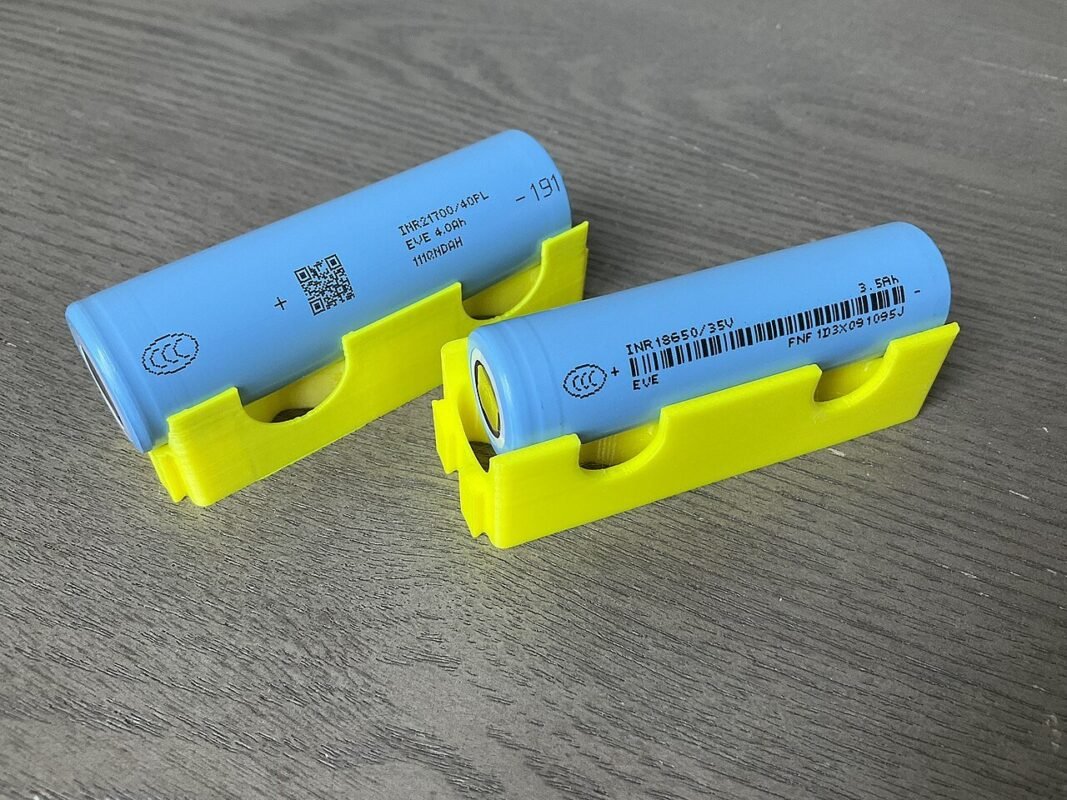
Selling batteries into the EU? From 2024–2027, the EU Battery Regulation builds a new “green wall”: batteries need passports, carbon declarations, and proof of rights-respecting minerals. Non-compliance = no market access.
The EU Battery Regulation: new rules
The EU Battery Regulation 2023/1542 (effective 17/8/2023, applying on a timeline 2024–2030+) replaces the old Battery Directive — the first comprehensive law on battery lifecycles: from mineral extraction through manufacturing and use to recycling. It covers all batteries sold in the EU — EV, industrial, portable — wherever made. Vietnamese exporters are directly regulated.
EU goals: clean batteries (low carbon), responsible batteries (no conflict minerals), circular batteries (high recycling).
The battery passport
From 2027, EV and large industrial batteries sold in the EU need a battery passport — a digital file recording: chemical composition, carbon footprint, mineral origins, recycled content, dismantling/recycling instructions. Linked via QR code on the battery — customs, customers and regulators scan and see.
For Vietnamese exporters: collect data across the supply chain (mineral and chemical suppliers) — whoever lacks data cannot build a passport.
Carbon footprint and thresholds
The Regulation requires carbon-footprint declarations for batteries — measured extraction-to-manufacturing. After a declaration phase, the EU sets maximum carbon thresholds — over-threshold batteries cannot sell in the EU. Vietnam’s coal-heavy power mix makes Vietnamese batteries’ footprint uncompetitive — remedies: renewable power (DPPA — Decree 80/2024) for factories, logistics optimisation.
Supply-chain due diligence
Battery makers must run supply-chain due diligence on cobalt, lithium, nickel, lead: trace origins, assess human-rights, environmental and corruption risks at mines, publish reports. This is the “battery” version of the CSDDD — applying to non-EU suppliers too.
Vietnamese exporters must push suppliers (domestic and foreign) for information — due-diligence clauses in raw-material contracts are mandatory.
EPR and recycled content
- EPR (extended producer responsibility): battery makers must collect and recycle end-of-life batteries in the EU — join an EPR scheme or self-organise, pay fees.
- Minimum recycled content: new batteries must contain minimum recycled shares (cobalt, lithium, nickel, lead) — rising on a timeline.
- Recycling efficiency: recyclers must hit minimum recovery rates.
- CE marking: batteries need conformity assessment and CE marks — with notified bodies for some battery types.
Action timeline for Vietnamese exporters
- Now: map which battery products sell into the EU and which category applies; form a compliance team.
- 6 months: build supply-chain traceability (minerals → battery); sign due-diligence clauses with suppliers.
- 12 months: calculate the carbon footprint (consultants/certification); prepare passport data.
- Long-term: switch to renewable power (cut carbon), join an EU EPR scheme, register CE marking.
Frequently asked questions
What is the EU Battery Regulation?
Regulation 2023/1542 (effective 17/8/2023, phased application): the comprehensive law on battery lifecycles sold in the EU — battery passport, carbon footprint, supply-chain due diligence, EPR, recycled content; applies to all batteries wherever made.
What is the battery passport?
A digital file (from 2027 for EV/large industrial batteries) recording composition, carbon footprint, mineral origins, recycled content, recycling instructions — QR-linked on the battery for customs/customers.
How does carbon footprint affect Vietnamese batteries?
Carbon declarations (extraction-to-manufacturing) are required; the EU will set maximum thresholds — over-threshold batteries cannot sell; coal-heavy power hurts Vietnamese batteries — use renewable power (DPPA).
What is battery EPR?
Extended producer responsibility: makers must collect and recycle end-of-life batteries in the EU — join EPR schemes, pay fees; new batteries need minimum recycled content.
Contact FLAT Law Firm
FLAT Law Firm advises Vietnamese battery exporters on EU Battery Regulation compliance: battery passports, carbon footprint, supply-chain due diligence and EPR. Contact us before exporting.