
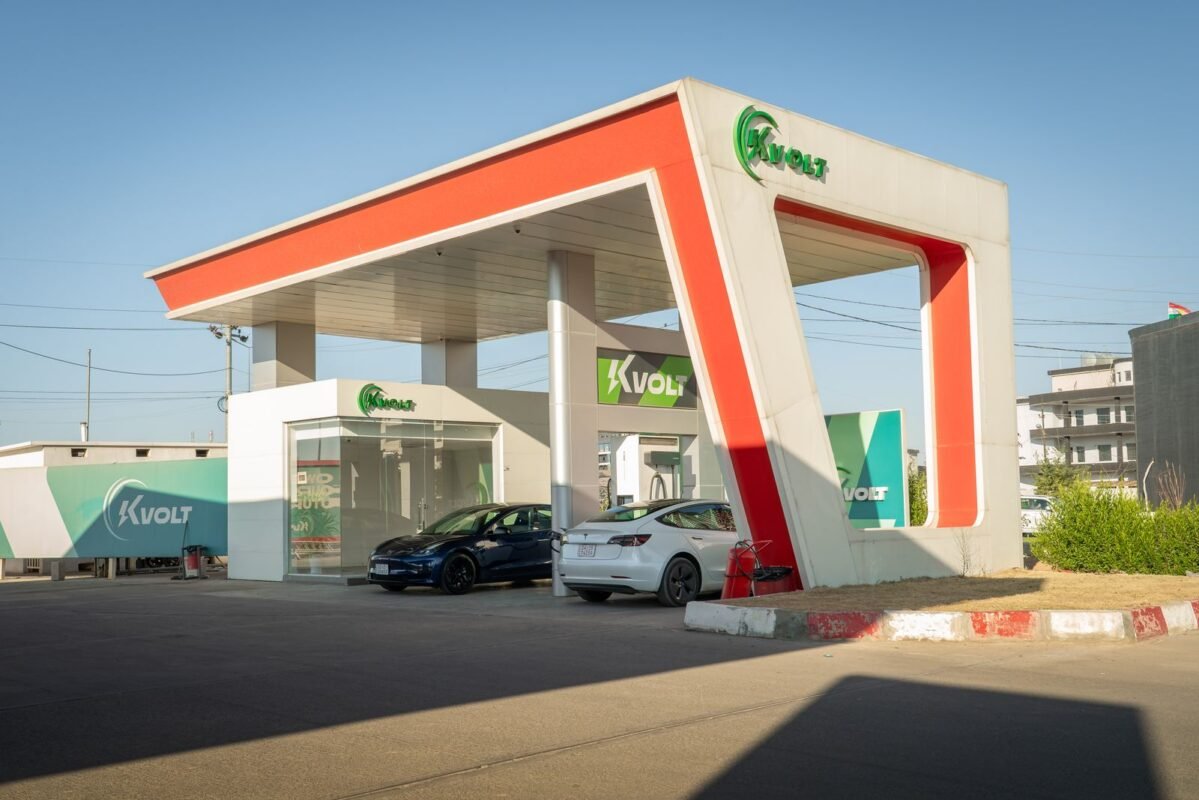
EV charging looks like a retail business; legally it is an energy-adjacent project wearing a retail costume. Vietnam has not yet built a single licensing door for it, so a foreign-invested operator must assemble compliance from investment, land, construction, fire safety, metering and — the subtle one — electricity law, because the way charging is priced decides whether the operator is reselling electricity.
The threshold question: are you selling electricity or a service?
Vietnamese electricity law reserves electricity trading to licensed actors, and grid electricity is sold at regulated tariffs. A charging station that buys grid power and bills drivers per kWh walks towards ‘electricity resale’ territory; operators therefore commonly structure the fee as a charging service (per session, per minute, or a service margin over the energy cost), with the energy component settled under the applicable tariff for the site’s registered purpose. The structure must be documented before opening: tariff category applied by the utility, the customer-facing price build-up, and metering that separates the station’s consumption. Getting this wrong does not produce a licensing fine — it produces a pricing model the utility and inspectors can unwind.
The project stack for a foreign investor
A 100% foreign-invested operator proceeds through the ordinary FDI project stack under the Investment Law 143/2025/QH15 (replacing the 2020 law from 1 March 2026): investment registration for the project, enterprise establishment, land access (lease or cooperation with site owners — fuel stations, malls, parking operators are the common hosts), construction permits where structures are built, fire prevention and fighting approval/acceptance for the site, and electrical safety and metering acceptance before energising. Sector conditions attach to the model: a network selling charging as a standalone public service should also expect local planning and parking/traffic interfaces at site level. None of these is an ‘EV licence’; together they are the licence in practice.
Operating duties after opening
Once live, the operator carries standing duties: electrical safety inspections of the charging equipment on the prescribed cycles, metering accuracy under measurement law, price listing and consumer-information duties for a public service, fire safety maintenance, and incident procedures for battery and electrical events. Where the station includes battery storage or rooftop solar, additional electricity and safety regimes attach to those components. Foreign operators should also note the standards environment is moving — national technical regulations for charging equipment are being developed — so equipment procurement should target internationally certified chargers (IEC/TCVN-aligned) that will survive the standard’s arrival rather than stranded domestic-only stock.
Frequently Asked Questions
Does opening an EV charging station need a special business licence?
There is no standalone ‘EV charging licence’ yet; the operator registers the business lines and must satisfy the electricity-activity conditions where the model involves electricity resale, plus construction, fire safety and metering compliance. The legal risk sits in how the charging fee is structured, not in a single permit.
Can a 100% foreign-owned company open charging stations?
In principle yes: charging infrastructure is not a closed sector for foreign investors, but the project goes through investment registration, land and construction procedures, and electricity-sector conditions like any energy-adjacent project. Market access should be confirmed for the exact model (own land, partnership with fuel stations, or public-space concessions).
How long do the procedures take?
Timelines track the underlying project: investment registration, land/construction approvals, grid connection and metering acceptance typically run over several months rather than weeks; a small pilot inside an existing licensed site is materially faster than a greenfield station.
Related articles
- Corresponding Adjustments After Foreign Tax Assessments
- Year-End Transfer Pricing Adjustments: Proper Documentation
- Foreign Investors Contributing Capital and Buying Shares or Capital Contributions in Vietnam Under the 2025 Investment Law: Conditions and Procedures
- Aviation and Maritime Transport: Legal Capital
- Lost Driving Licence in Vietnam: Reissue Rules (Circular 12/2025)
This legal analysis has been verified against current Vietnamese regulations and cross-border FDI transaction practices by the attorneys at FLAT LAW FIRM.

