
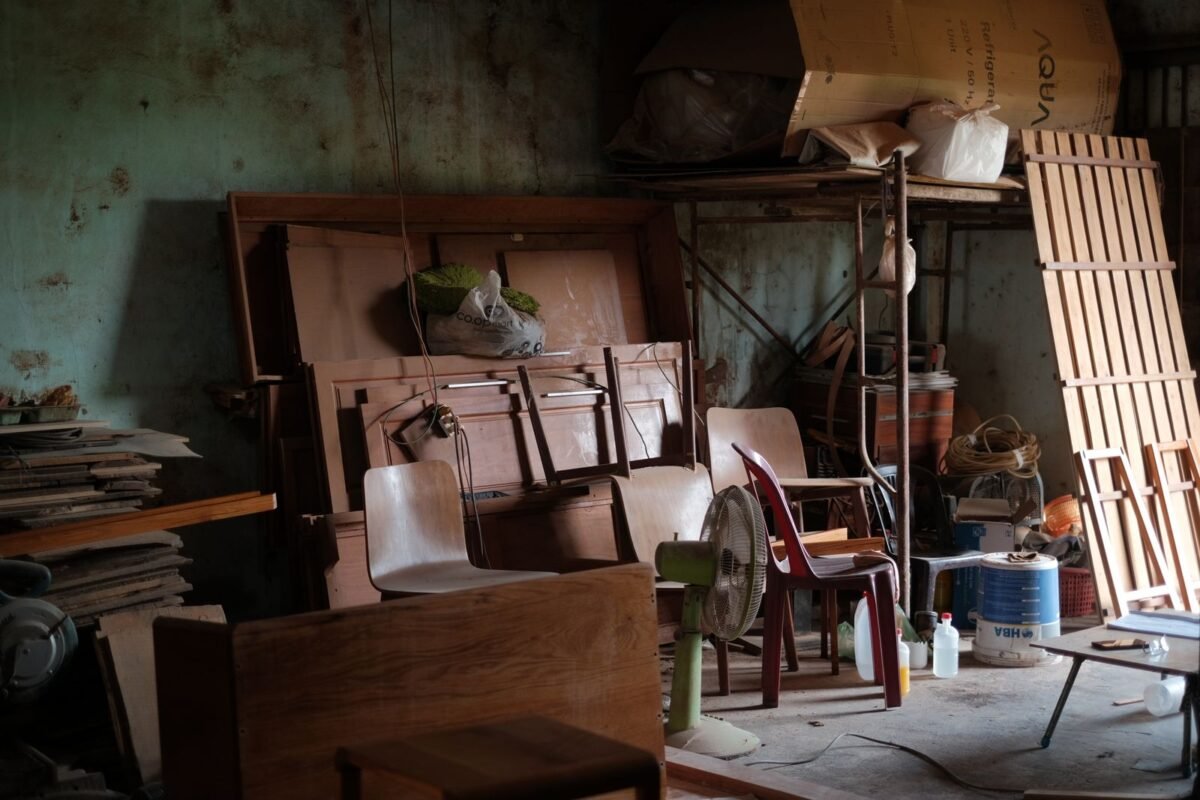
Kitchen cabinets and furniture exported to the EU: the timber is Vietnamese-originating, but what about imported hinges, drawer slides and handles? For wooden furniture, the 10% tolerance in EVFTA Protocol 1 is usually the answer for imported metal fittings that the product rule would disallow.
1. Why furniture needs tolerance for fittings
Furniture product rules typically require originating timber and cap non-originating material value. Manufacturing reality: Vietnamese timber frames comply, but metal fittings (hinges, slides, locks, handles) are almost all imported — and for premium kitchen cabinets this group can take a significant value share. The tolerance provision lets rule-failing materials still be used within 10% of the ex-works price — enough to “rescue” the fittings in most standard cabinet and furniture models.
2. Calculating right per product model
Each cabinet or furniture model is its own equation: build a bill of materials — timber, boards, glue, paint, metal fittings — with each item’s origin; compute the non-originating value ratio on the ex-works price (not FOB); set an internal 8% alert. Three common mistakes: omitting imported paint and glue from the list (small items adding up); computing on FOB; and using one worksheet for a whole product line while fittings vary by model. For premium furniture with expensive European fittings, 10% may not suffice — calculate before accepting the order.
3. Tolerance and timber sourcing strategy
Tolerance is a safety valve for fittings, not for timber — the main timber input should be Vietnamese-originating (meeting both the origin rule and the EUDR deforestation requirements from 2026). The right strategy: keep Vietnamese timber, optimise fittings within the 10% tolerance, and for over-threshold models renegotiate with fitting suppliers or adjust the design. Furniture origin is a detail game — won on the bill of materials, not on slogans.
Conclusion
For EU-bound wooden furniture, the 10% tolerance is breathing room for imported fittings. Businesses with a model-accurate BOM breathe easy; those without choke at the border.
Frequently Asked Questions
What base is the EVFTA 10% tolerance computed on?
The ex-works price of the finished product, not FOB or CIF. Total rule-failing material value must not exceed 10% of ex-works price.
Why does wooden furniture need tolerance for fittings?
Vietnamese timber frames comply but metal fittings (hinges, slides, locks, handles) are almost all imported; for premium kitchen cabinets this group takes a significant value share.
What are common tolerance mistakes for furniture?
Omitting imported paint and glue from the list; computing on FOB instead of ex-works; one worksheet for a whole product line while fittings vary by model.
Can tolerance cover the main timber input?
It should not. Main timber should be Vietnamese-originating — meeting both the origin rule and EUDR deforestation requirements from 2026. Tolerance is for fittings.

