
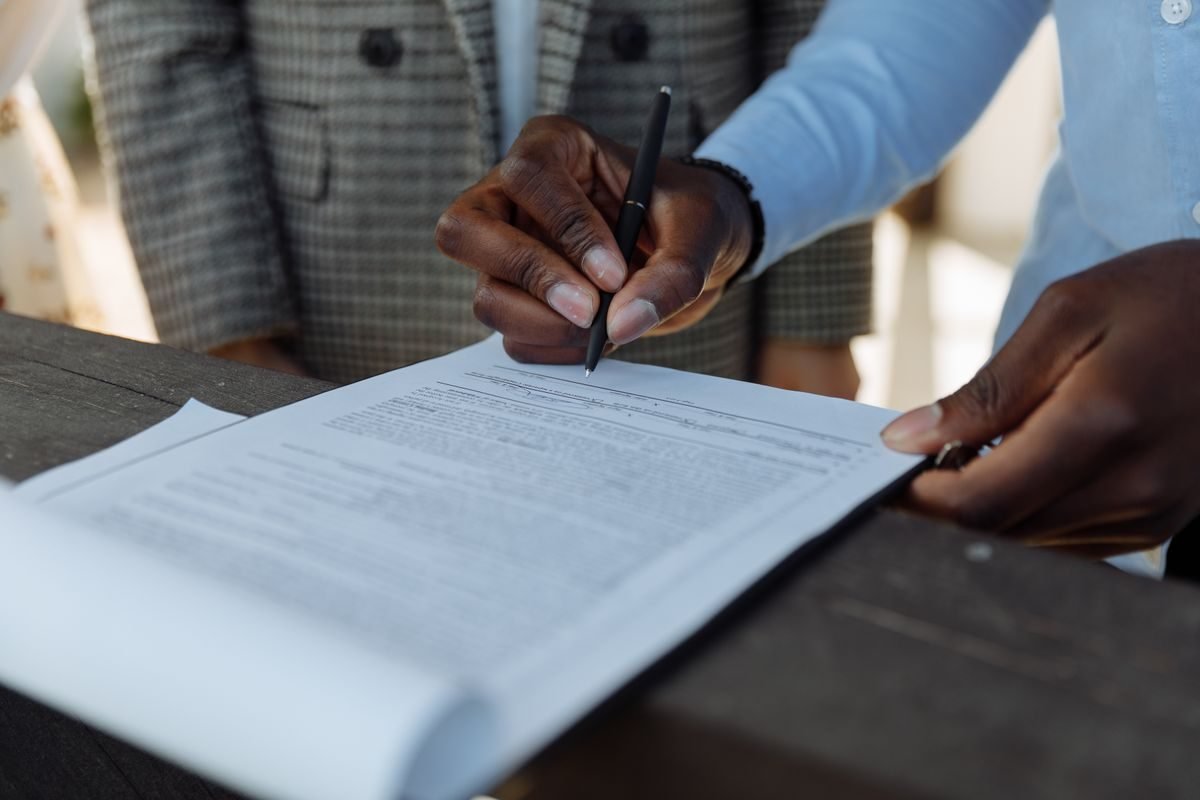
Michael, a German engineer, sued his landlord to recover a 3-month deposit. In court he brought a stack of papers: the English-only lease, screenshots of Zalo messages where the landlord promised to return the deposit, and a bank statement printed from an app. The landlord said just one sentence: “This English contract has no notarized translation; I do not recognize it.” The judge nodded — and Michael learned an expensive lesson: in Vietnamese courts, evidence must not only be real, it must be in the exact “format” the law requires.
Foreigners lose cases not for lack of merit but because their evidence is rejected: foreign documents without consular legalization, uncertified translations, late submission. The 2015 Civil Procedure Code defines this game precisely — and this article helps you prepare correctly from the start.
The golden rule: whoever claims must prove
Article 91 of the 2015 Civil Procedure Code places the burden of proof on the party making the claim: if you demand the deposit back, you must prove the lease existed, the deposit was paid, and the landlord has not returned it. The court does not gather evidence for you (except in special statutory cases). Bluntly: preparing evidence is your job, not your lawyer’s or the court’s.
Article 93 lists recognized evidence sources: readable, audible, and visible documents; electronic data; physical exhibits; testimony; expert conclusions. This means emails, Zalo messages, call recordings, photos, electronic bank statements can all be evidence — provided you establish their origin and authenticity.
Documents made abroad: two mandatory gates
Any document made abroad (powers of attorney, marriage certificates, birth certificates, diplomas, foreign bank statements) must pass two gates before a Vietnamese court will consider it:
Gate 1 — Consular legalization. Under Decree 111/2011/ND-CP, documents of foreign agencies and organizations must be consular-legalized (certified by the Vietnamese diplomatic mission abroad), unless exempted under an international treaty Vietnam has joined. Without legalization, the court may refuse to consider the document.
Gate 2 — Notarized translation. Foreign-language documents must be accompanied by a Vietnamese translation that is notarized or certified. Note: under the Law on Notarization No. 72/2024/QH15 (replacing the 2014 Law on Notarization), translation notarization continues at notarial practice organizations — start early, as this step often takes days to a week.
Electronic evidence: usable if you handle it right
Messages, emails, and recordings are foreigners’ main “weapons” since most dealings with Vietnamese counterparts happen by phone. To give electronic evidence weight: preserve the original (do not screenshot then delete); show the sender’s identity (a phone number or account attributable to the other party); submit printouts with the electronic backup; and for recordings, prepare a Vietnamese transcript.
On “secret” recordings: Vietnamese law does not absolutely prohibit recording a conversation you participate in; but recordings made solely to entrap may be viewed dimly for bad faith. The safe rule: record to protect your legitimate interests in a transaction you are party to — do not disseminate or edit.
Submission deadlines: do not let “forgetting” cost you the case
Under Article 96 of the Civil Procedure Code, parties must submit documents and evidence within the court-set deadline — which ends before the hearing opens. Late submission is not fatal: the court may still accept it if you show good cause (newly discovered evidence, objective obstacles), but you must explain yourself and may look uncooperative.
The experienced litigant’s strategy: file all core evidence with the initial petition (per Article 189), reserving “trump cards” only for evidence genuinely worth holding back. Never plan around “late is fine.”
Frequently asked questions
1. My contract is English-only with no notarized translation. What happens?
The court will order you to supplement a notarized/certified Vietnamese translation. Meanwhile the case drags and you are on the back foot. Getting a notarized translation at signing is the cheapest habit.
2. Do Zalo/Facebook messages count as evidence?
Yes, as recognized electronic data. Conditions: prove the account belongs to the other party (linked phone number, content consistent with the real relationship) and the content is unaltered. Present printouts plus the original device when the court asks to verify.
3. My documents are abroad and I am in Vietnam. How do I legalize them?
Two ways: send them home for a relative to process at the Vietnamese diplomatic mission there, then ship back; or authorize someone abroad to handle it. Some document types are exempt under treaties — check first to save effort.
4. The other side holds evidence harmful to them. How do I get it?
You may ask the court to order the other party to produce documents in their possession (the Code’s evidence-collection support mechanism). Deliberate refusal can lead the court to draw adverse inferences — a very effective practical lever.
5. How much evidence is enough to win?
There is no number. Courts assess evidence comprehensively and objectively: one tight contract plus matching transfer records outweighs ten pages of scattered messages. Quality and internal consistency matter more than quantity.
Evidence preparation for foreigners going to court
A court-ready dossier for a foreigner includes: lawful ID and residence documents; original contracts/minutes with notarized translations; the full payment trail; all electronic communications properly preserved; foreign documents consular-legalized. FLAT LAW FIRM reviews, systematizes, and “translates” your file into the language Vietnamese courts accept — before the other side spots the gaps. Contact us as soon as a dispute emerges, because the best evidence is the earliest prepared.
This article provides general legal information and does not substitute advice for specific cases.
Related articles
- Foreign Partner Demands Singapore Arbitration: Should You Agree?
- Scammed in Vietnam: Where to Report and What to Prepare
- Rental Disputes with Landlords in Vietnam: Deposits and Early Termination
- Collecting a Personal Debt by Lawsuit in Vietnam: Costs and Procedure
- Foreigners Suing in Vietnamese Courts: Which Level to File At
This legal analysis has been verified against current Vietnamese regulations and cross-border FDI transaction practices by the attorneys at FLAT LAW FIRM.

